
View the photo gallery at the end of the page.
Geopolitical uncertainty and growing competition for critical raw materials are putting European mining firmly on the EU’s strategic agenda. Against this backdrop, Euromines brought together industry representatives and policymakers in Brussels on 6 October 2026 to discuss how the sector can contribute to Europe’s economic security, industrial competitiveness and strategic resilience.
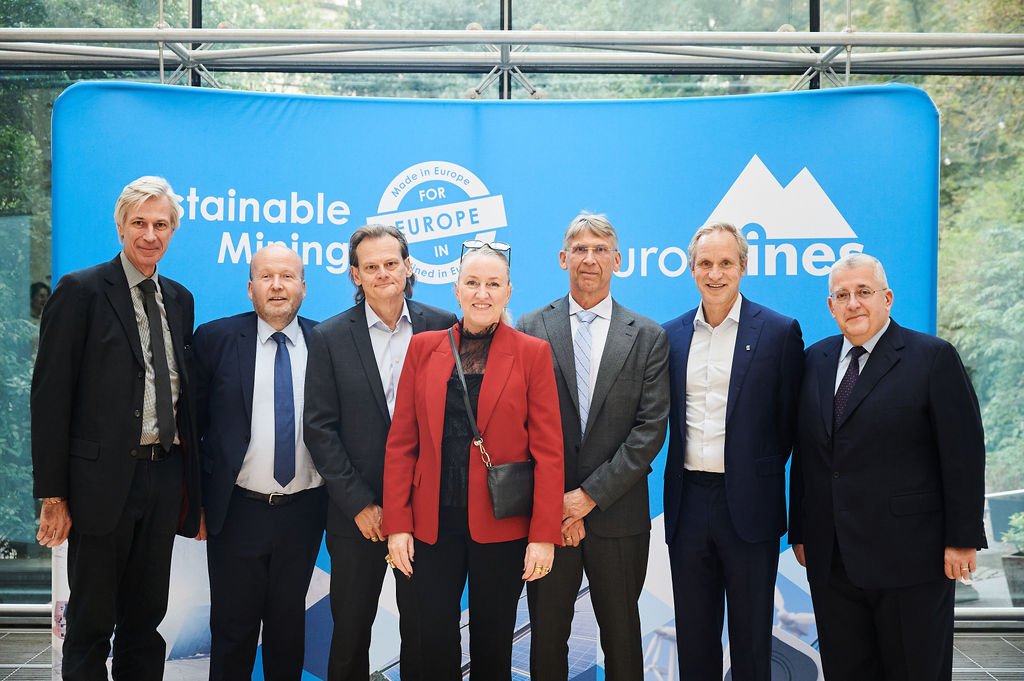
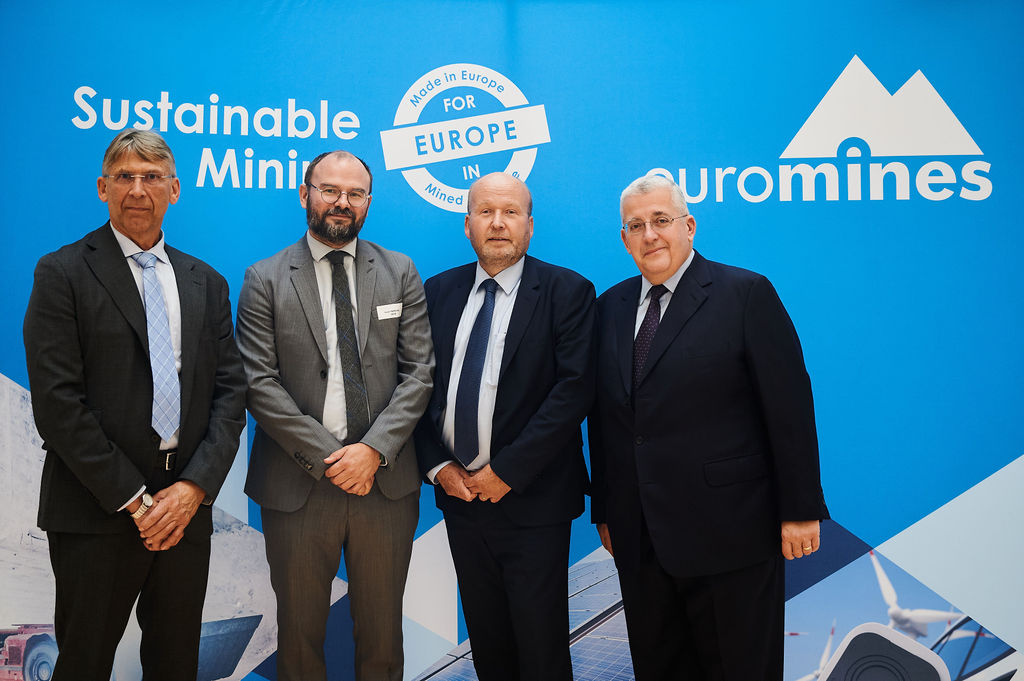
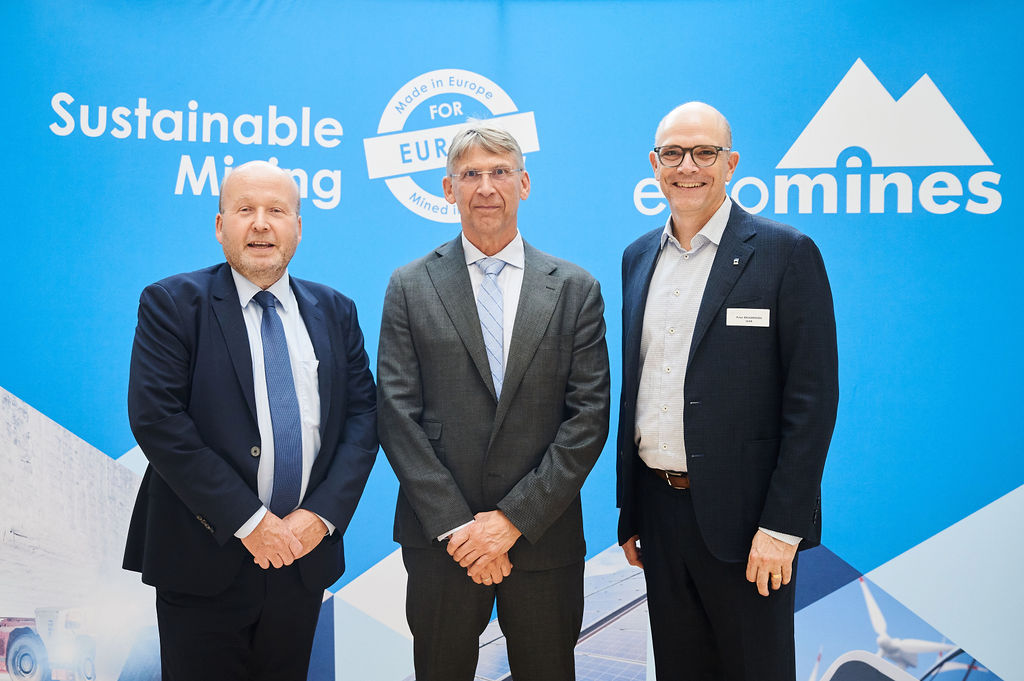
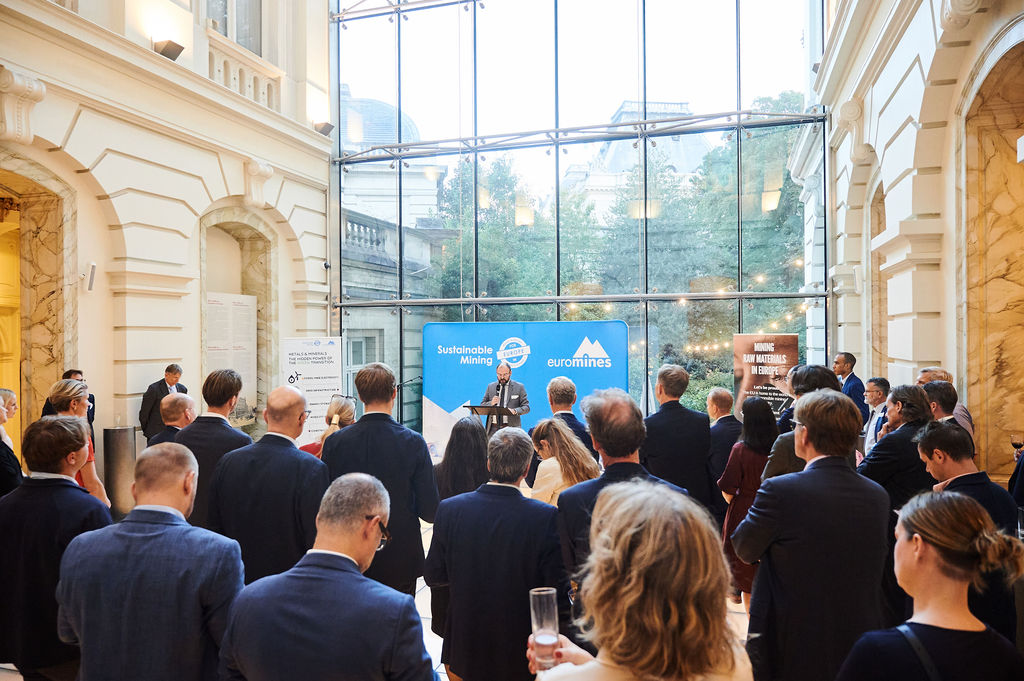
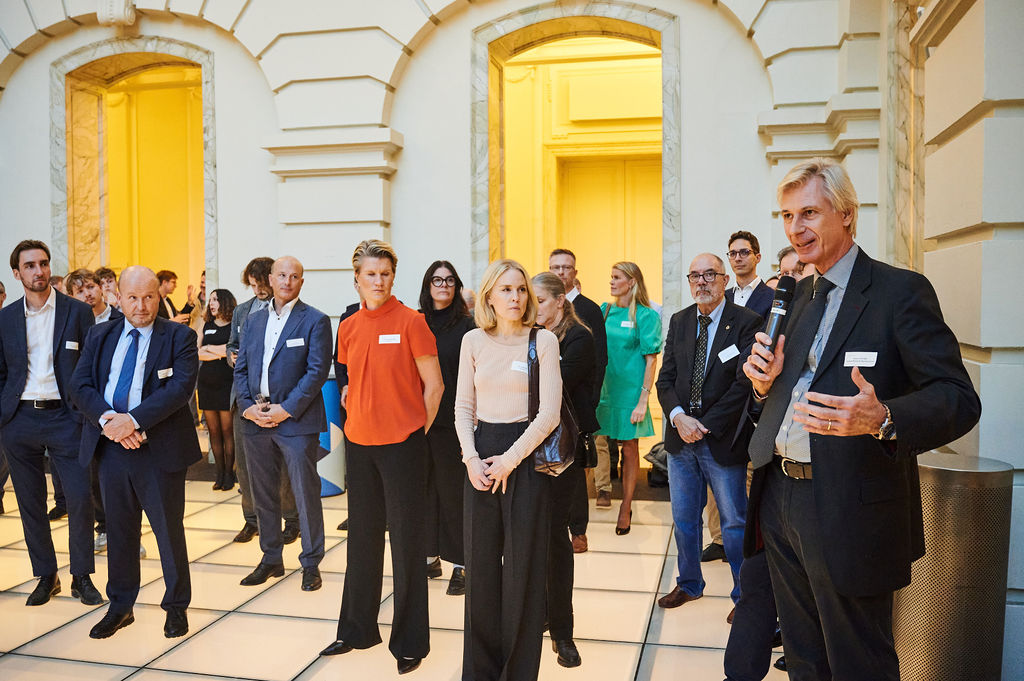
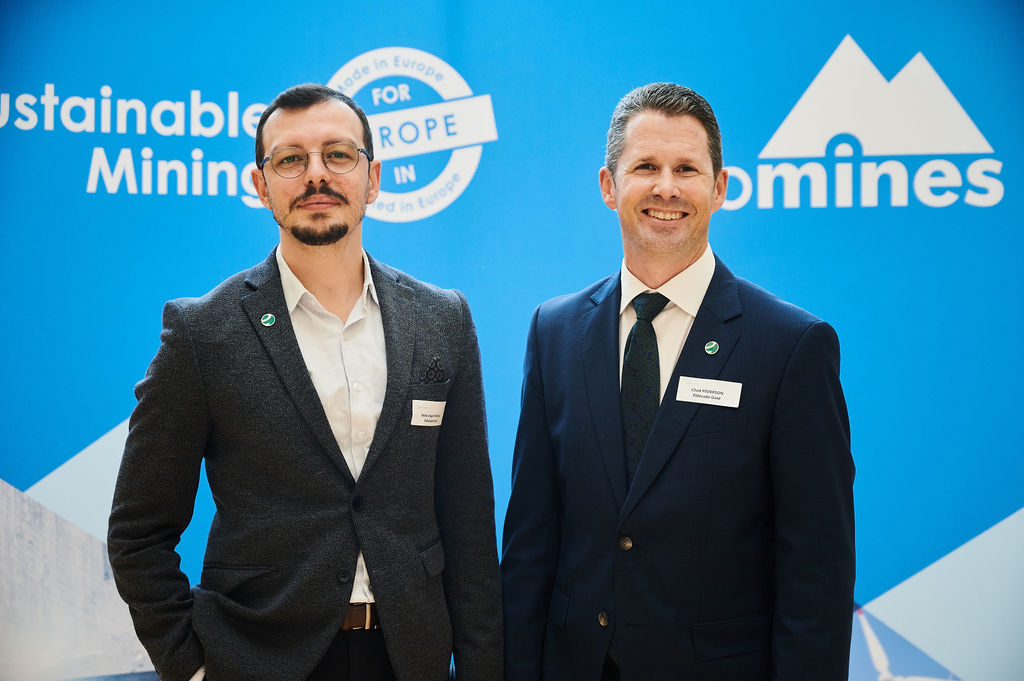
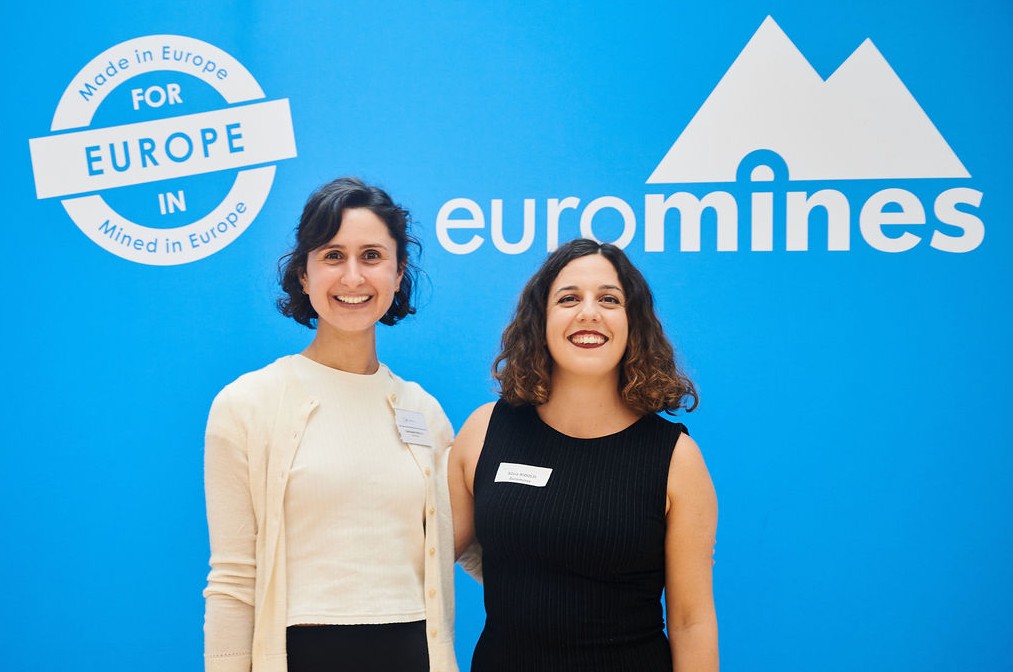
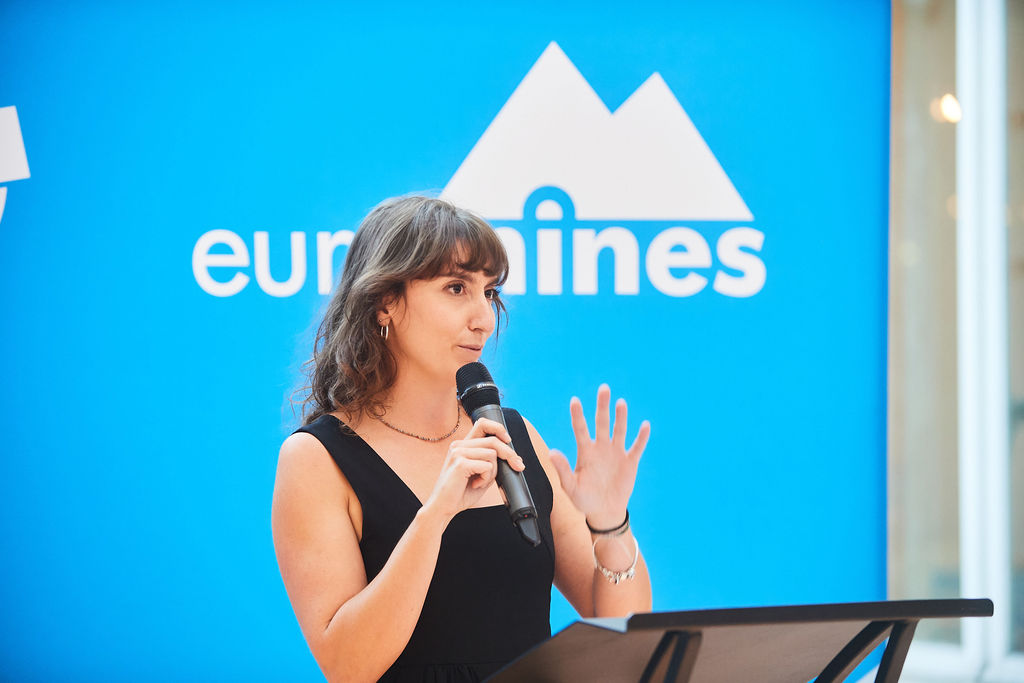
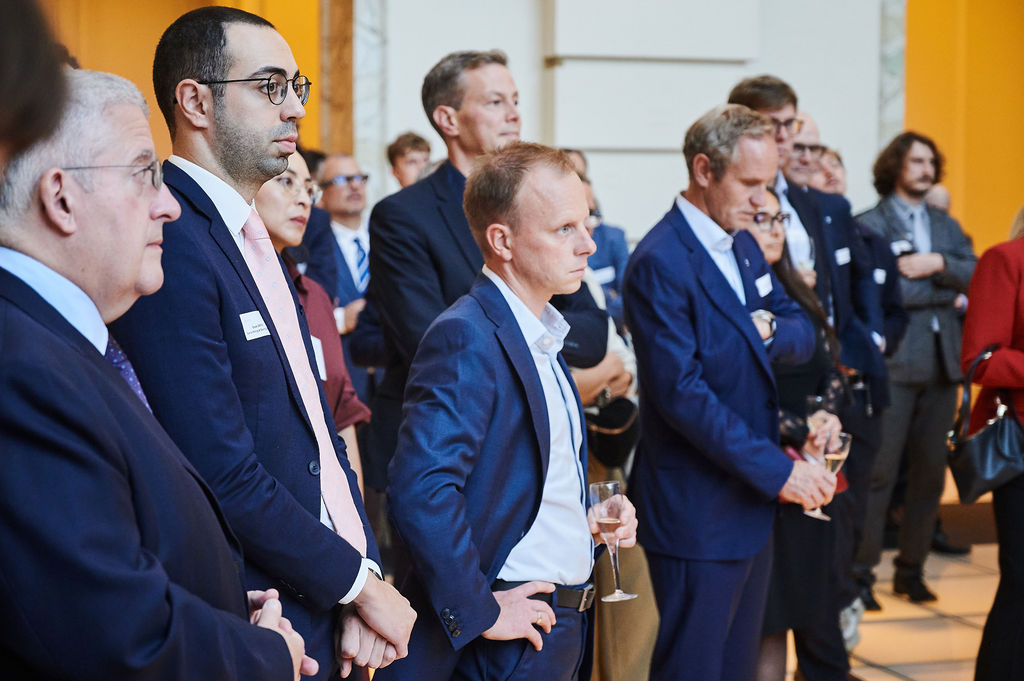
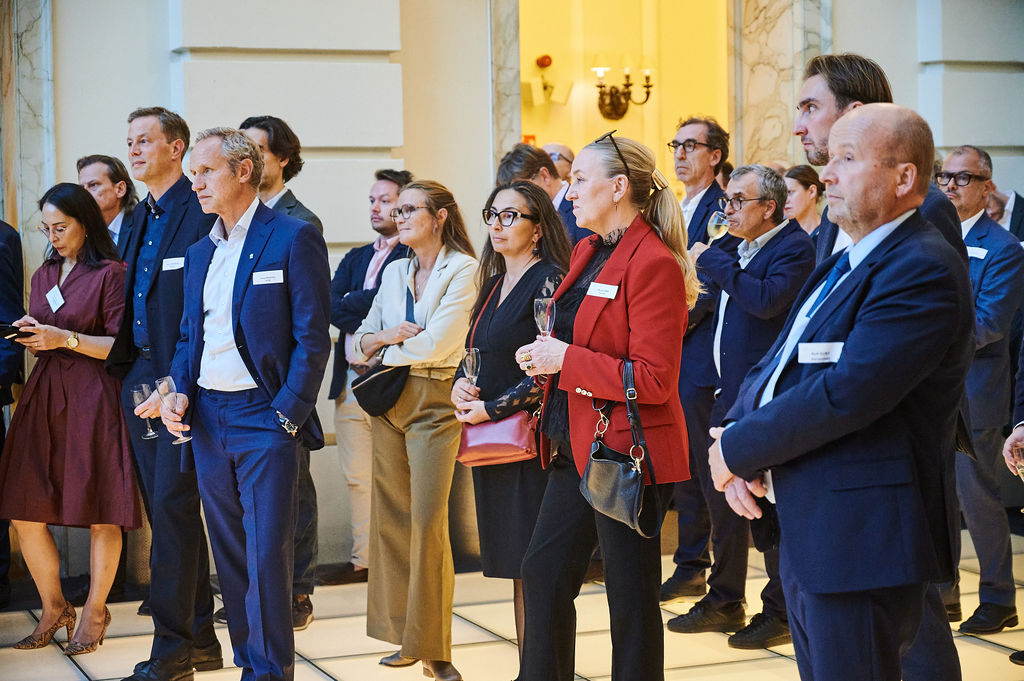
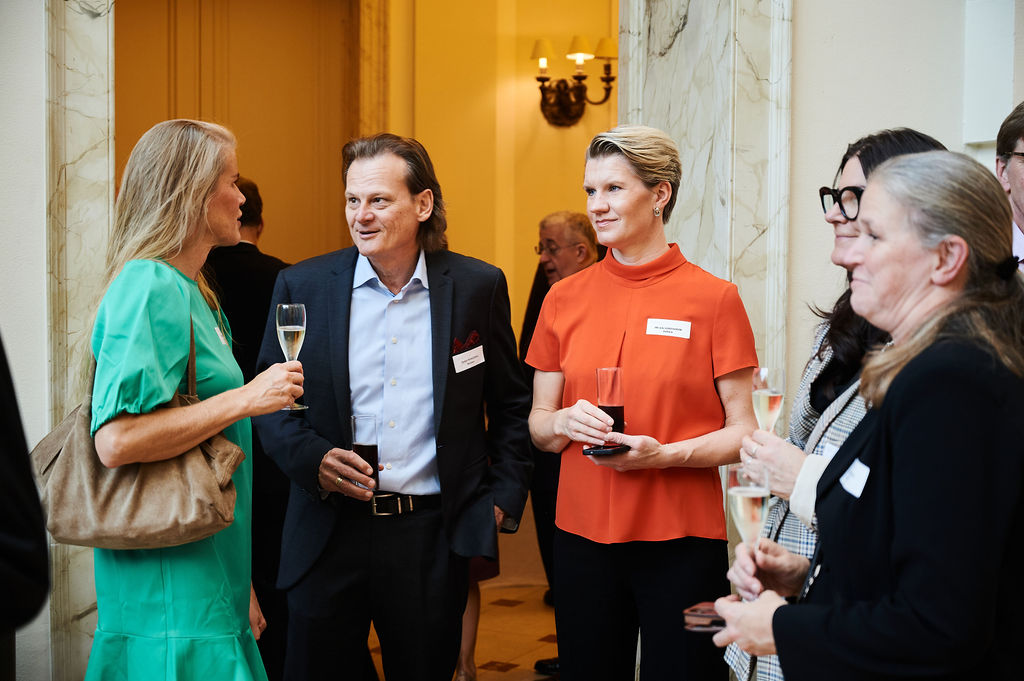
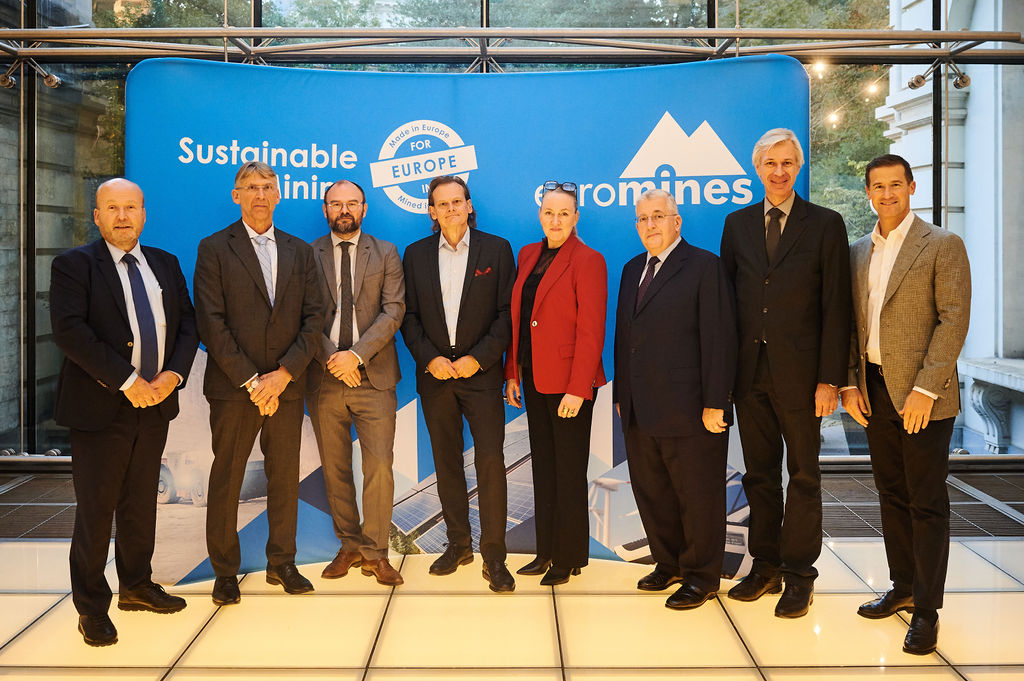
Hosted at the BELvue Museum, the Euromines Dialogue, “European Mining’s Future in a Challenging Geopolitical World,” welcomed Euromines members, European Commission officials and selected policy stakeholders for an evening of discussion and exchange.
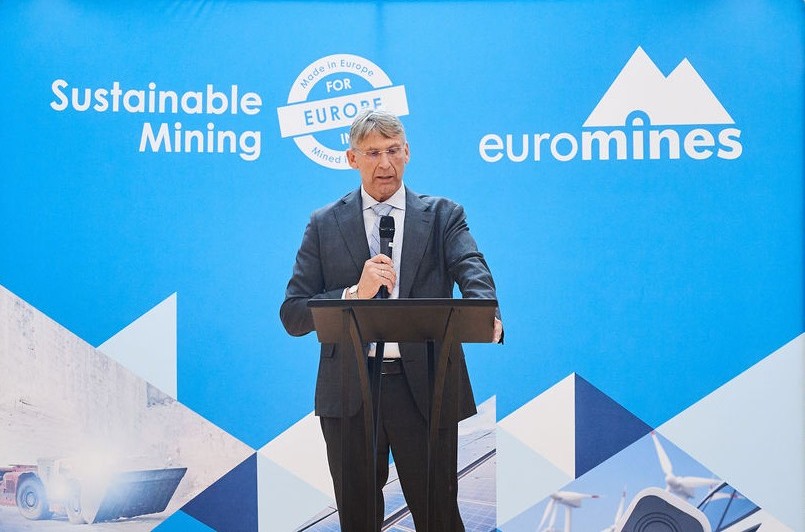
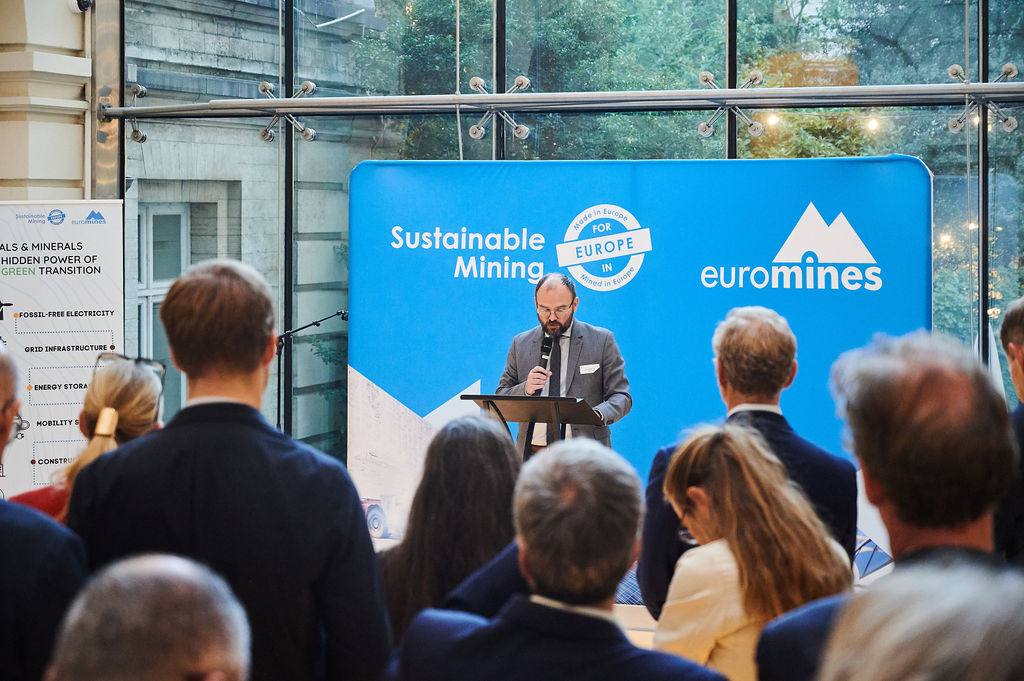
The programme featured opening remarks from Euromines President Jan Moström, former CEO of LKAB, followed by a keynote address from Louis Maréchal, Senior Advisor on Minerals and Extractives at the OECD.
From political ambition to production
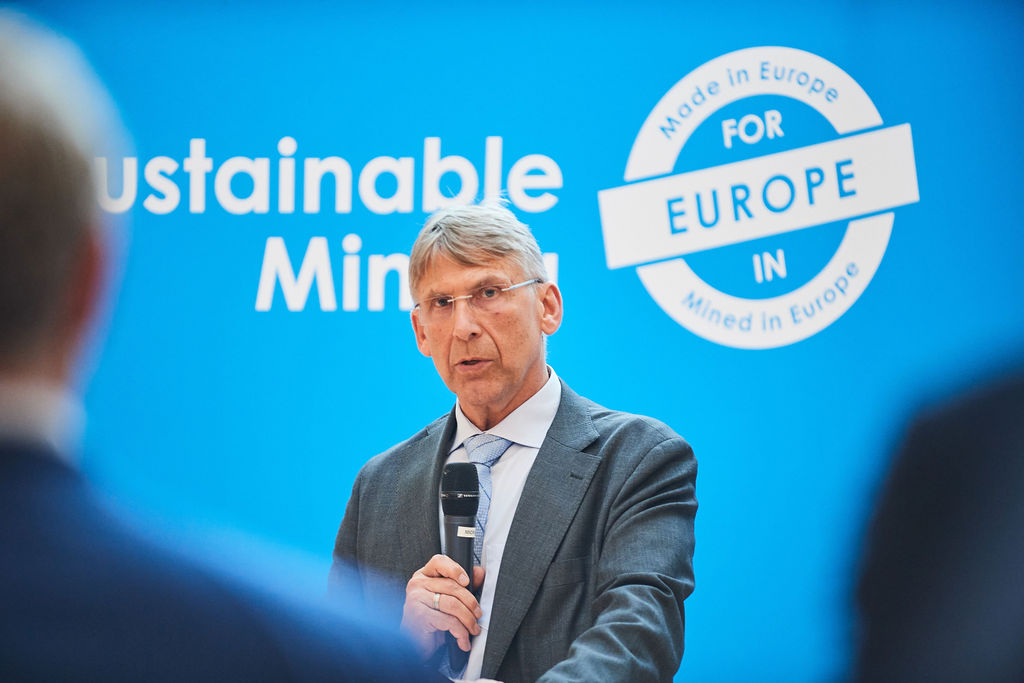
Jan Moström, President, Euromines and Former CEO, LKAB
In his opening remarks, Jan Moström highlighted how mining and raw materials have become central to Europe’s competitiveness, the green and digital transitions, economic security and defence capabilities.
The EU has taken important steps to address its raw materials dependencies, notably through the Critical Raw Materials Act (CRMA), which sets benchmarks for strengthening European extraction, processing and recycling. However, Moström stressed that establishing a policy framework is only the first step. The challenge now is to ensure that projects can progress from planning to production.
Lengthy permitting procedures, regulatory complexity and financing constraints continue to hinder the development of European mining and processing capacity. More predictable regulation, faster permitting and improved investment conditions will be essential to unlocking the sector’s potential, while maintaining high environmental standards, legal certainty and public acceptance.
Geopolitics reinforces the case for resilient supply chains
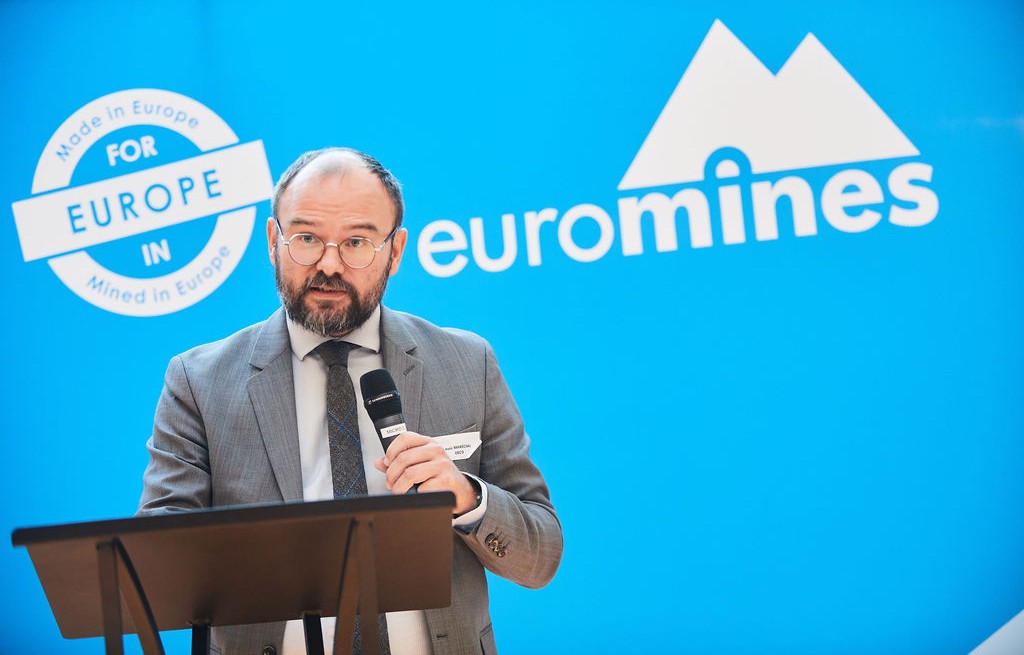
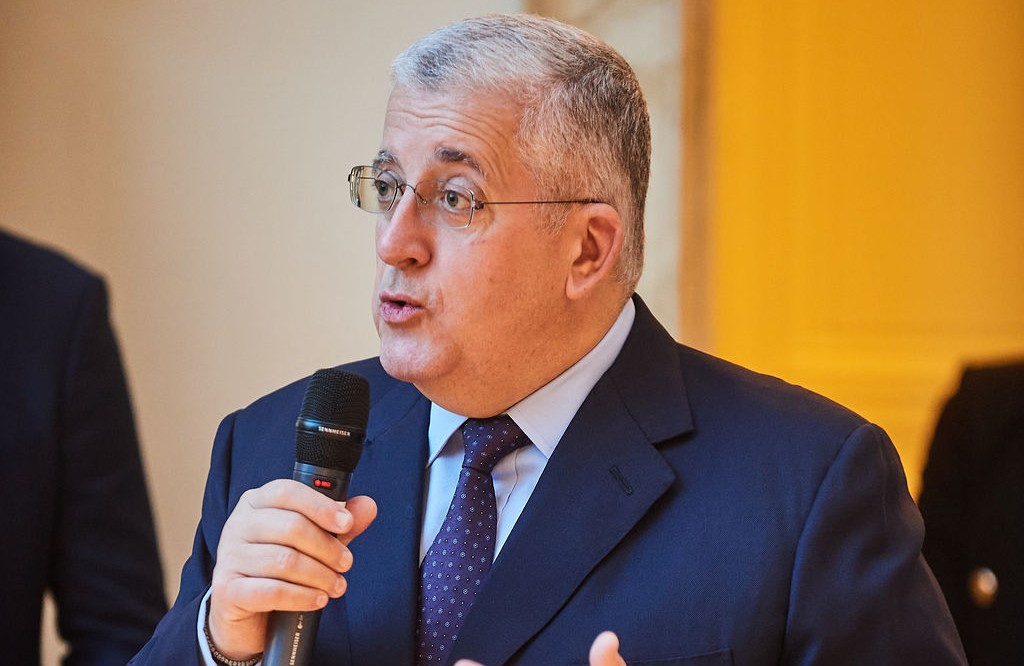
Louis Maréchal, Senior Advisor, Minerals & Extractives, OECD
In his keynote address, Louis Maréchal placed Europe’s raw materials challenges within a broader international context. Drawing on his experience in mineral policy and governance, he noted that concerns over concentrated supply chains, export restrictions and insufficient investment have shaped the raw materials debate for more than a decade.
Recent geopolitical developments have further exposed these vulnerabilities. The COVID-19 pandemic disrupted international supply chains, while Russia’s full-scale invasion of Ukraine reinforced the importance of economic security and resilience. At the same time, the energy transition and increasing electrification continue to drive demand for critical minerals.
Maréchal emphasised that building resilient supply chains requires coordinated action across trade, investment, finance, industrial policy and responsible business conduct. Greater transparency and traceability are also important to identifying vulnerabilities and strengthening confidence in mineral markets.
He highlighted three priorities for European mining: securing local communities’ support through meaningful engagement and regional economic benefits; attracting investment through transparency and responsible business practices; and encouraging downstream industries to diversify their sources of supply.
Europe’s objective, he noted, should not be complete self-sufficiency. International partnerships will remain essential, but stronger domestic mining capacity can help diversify supply chains and reduce exposure to concentrated sources of critical raw materials.
Turning recognition into action
The Dialogue highlighted a common challenge for Europe: translating the growing recognition of raw materials as strategic assets into the conditions needed to develop a competitive and resilient mining industry.
Alongside more predictable regulation and improved access to finance, the success of European mining projects will depend on public trust, meaningful community engagement and closer cooperation between industry and policymakers. Demonstrating the economic and social benefits of mining will also be important in securing lasting support for projects and strengthening their contribution to regional development.
The evening concluded with an informal reception, providing participants with an opportunity to continue discussions and exchange perspectives on the future of the sector.