PRESS RELEASE: Getting ETS reform right is key to Europe’s industrial competitiveness

Brussels, 17 July 2026 – Today’s proposal to revise the EU Emissions Trading System (ETS) sets the foundation for the functioning of the next trading period, and the parameters whether the EU can demonstrate that industrial competitiveness and climate neutrality can go hand in hand in fierce global competition.  

ETS must evolve into an investment roadmap that supports industrial decarbonisation while preserving the competitiveness of European industries and strengthening production and investment in Europe, particularly in this challenging geopolitical environment.  

In this regard, Euromines sees important elements in the Commission’s proposal that can help achieve these objectives: 

  • The possibility for companies to continue receiving free allowances into the 2040s, recognising their role not only as a carbon leakage protection measure against increasing carbon costs, but also as an economic resource needed to finance investments in decarbonised production processes and supporting industrial investment in Europe.  

  • The adaptation of the pace of the Linear Reduction Factor (LRF), helping to make industrial decarbonisation more achievable and better aligned with available technologies, associated costs, and economic viability. 

  • A more strategic use of ETS revenues, ensuring they are reinvested in measures that support the decarbonisation and competitiveness of European industry. 

  • The introduction of a separate proposal for determining fallback benchmarks for heat and fuel for 2026-2030, including an adjustment to the maximum update rate for fallback benchmark, ensuring the highest possible increase in free allocation based on those benchmarks until 2030 without triggering the cross-sectoral correction factor (CSCF). 

At the same time, several additional issues remain important for ensuring the effectiveness of ETS. Euromines continues to support the integration of high-quality international carbon credits, recognising that Article 6 of the Paris Agreement already provides safeguards for credible international cooperation.

Furthermore, as free allowances are inherently linked to investments in decarbonisation technologies, conditionalities should remain balanced, ensuring effective carbon leakage protection while enabling companies to continue investing in clean technologies and industrial transformation. 

“We are encouraged to see elements in today’s proposal that reflect the direction industry has been advocating for.  The real test will be in the details with the fallback benchmark procedure and the conditionalities attached to free allowances must be designed in a way that supports, not undermines, Europe’s industrial competitiveness.” – Rolf Kuby, Director General, Euromines. 

Euromines will continue to engage constructively with policymakers to ensure these positive elements are preserved in the final legislation and that the ETS provides a predictable framework that drives decarbonisation through investment, strengthens Europe’s industrial base, and safeguards the international competitiveness of sectors exposed to global competition and carbon leakage. 

About Euromines:

Euromines, the European Association of Mining, Metal Ores & Industrial Metals, is the voice of the European metals and minerals mining industry. Our primary goal is to promote responsible industry practices and ensure that mining receives appropriate consideration in EU policymaking. As a collaborative network, Euromines brings together the Secretariat and Members to assess the impact of European and international policies on the industry, shaping unified positions and actions. Representing both large and small companies, as well as their subsidiaries across Europe and beyond, Euromines advocates for a sustainable and competitive mining sector. 

For media enquires, please contact:

Anna Zanetti

zanetti@euromines.be

World Youth Skills Day 2026: Young Professionals Shaping the Future of Mining

In celebration of World Youth Skills Day on 15 July, Euromines is showcasing nine young professionals from across its member organisations who are helping shape the future of Europe’s mining industry.

Discover their stories below as they reflect on the skills they’ve developed, how training and on-the-job learning have supported their careers, and the capabilities they believe will be most critical for the future of mining.

Scroll down to discover their stories.

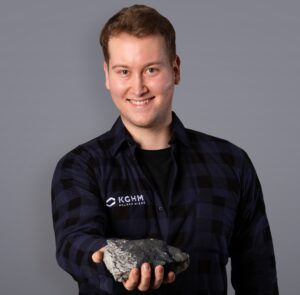
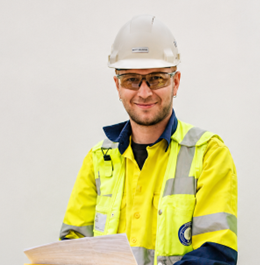
Mateusz Płaskoń - Graduate Mining Intern, KGHM Polska Miedz S.A.

KGHM - Mateusz Płaskoń

Mateusz Płaskoń – Graduate Mining Intern, KGHM Polska Miedź S.A.

1. What is the most important skill you have developed so far in your mining career?

The most important skill I have developed while working in the geological department is the precise identification of ore body parameters and the continuous assessment of geological and mining conditions. This requires not only thorough analysis of geological documentation but, above all, the ability to respond quickly to changing natural conditions underground. Developing an efficient workflow—from the immediate identification of geological disturbances in the rock mass to the rapid delivery of accurate data to other departments—has been essential. This dynamic approach helps optimize the mining process, minimize operational risks, and directly contributes to the continuity and economic efficiency of the entire mining operation.

2. How has training or on-the-job learning supported your development?

Workplace learning has significantly accelerated my professional development, particularly in the field of geological digitalization. A key milestone was mastering specialized software for managing geological databases and advanced systems used for deposit planning and exploration. Gaining practical experience with these tools has enabled me to interpret structural geological data with much greater accuracy. Regular safety training has also played an equally important role. Combining technological expertise with a strong awareness of natural hazards has shaped my responsible engineering approach and strengthened my ability to support informed project decisions in everyday operations.

3. What skill do you think will be most critical for the future of mining?

In my opinion, the most important skill for the future of mining will be the ability to integrate traditional geological and mining knowledge with modern digital technologies and automation. The future of the industry belongs to professionals who can manage large datasets and apply artificial intelligence algorithms to predict hazards and optimize mining operations. Equally important will be adaptability and the ability to respond quickly to increasingly demanding environmental regulations and the principles of the circular economy. Responsible mining of the future will require balancing economic efficiency with minimizing environmental impact while ensuring safe and sustainable resource extraction.

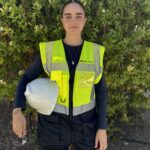
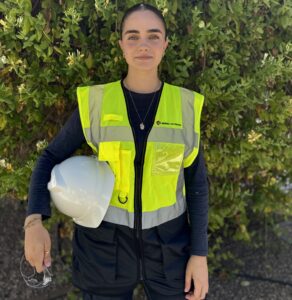
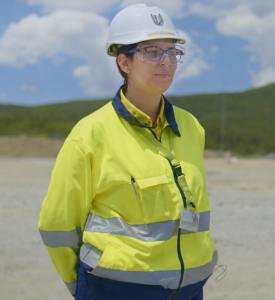
Dimitra Karadimitra - Heavy Equipment Operator Assistant at the Skouries Project, Hellas Gold S.A.

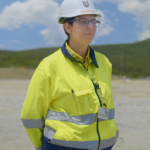
Hellas Gold - Dimitra Karadimitra2

Dimitra Karadimitra – Heavy Equipment Operator Assistant at the Skouries Project, Hellas Gold S.A.

1. What is the most important skill you’ve developed so far in your mining career?

The most important skill I have developed so far is responsibility. Learning to operate heavy equipment safely requires constant attention, precision and discipline. Over the past 18 months at Skouries, starting at the age of 19, I have learned the value of following procedures, staying alert and never taking anything for granted. In mining, every decision matters, and safety starts with each one of us. That is why I am proud to work for a modern, responsible mining company like Hellas Gold, where a strong safety culture is built every day through continuous training and shared commitment.

2. How has training or on-the-job learning supported your development?

Training and on-the-job learning have been essential in helping me turn that sense of responsibility into real capability. Although mining has always been part of my life, as many members of my family work in the mining industry, experiencing it firsthand is very different. At Hellas Gold, structured training, daily practice and the support of experienced colleagues have helped me build confidence, develop technical skills and better understand what the job requires in real conditions. This combination of learning and guidance has played a key role in my development and has shown me that young women from local communities can grow and progress in modern mining.

3. What skill do you think will be most critical for the future of mining?

I believe adaptability will be one of the most critical skills for the future of mining. The industry is evolving rapidly, with more advanced equipment, digital tools, and new ways of working. This must always go hand in hand with a strong safety mindset. At Hellas Gold’s Training Center, tools such as VR and AR simulators help us build skills in a safe environment before working in real conditions. This kind of learning prepares young people for the future, and I hope it encourages more women to see mining as an industry where they can truly belong and succeed. 

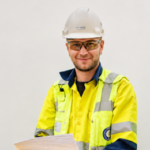
Tomislav Stjepan Kalinic - Senior Project Manager Mining, RHI Magnesita GmbH

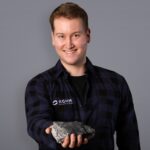
RHI Magnesita - Tomislav Stjepan Kalinic

Tomislav Stjepan Kalinic – Senior Project Manager Mining, RHI Magnesita GmbH 

1. What is the most important skill you’ve developed so far in your mining career?

The most important skill I’ve developed is being able to combine technical and business thinking. As a mining engineer with a background in financial management, I learned that good decisions are not only technically sound but also economically viable. This has also enabled me to act as an interface between operations and management, translating operational challenges into business terms and vice versa. It helps me look at challenges from different angles and work effectively with both technical and business teams. 

2. How has training or on-the-job learning supported your development?

Most of my development has come through on-the-job learning. Working on different projects and with experienced colleagues helped me understand how mining works in practice. Formal training provided the technical foundation, but real growth came from solving day-to-day challenges, taking on new responsibilities, and learning from people with different backgrounds and expertise. Continuous learning has helped me adapt to new situations and technologies throughout my career. 

3. What skill do you think will be most critical for the future of mining?

I believe adaptability will be the most critical skill for the future of mining. Our industry is changing rapidly, and mining professionals need to change with it. Whether it’s new technologies, different ways of working, or evolving sustainability requirements, continuous learning and an open mindset will be essential. Technical skills remain the foundation, but the ability to adapt to changing conditions will be key to long-term success. 

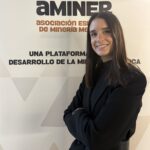
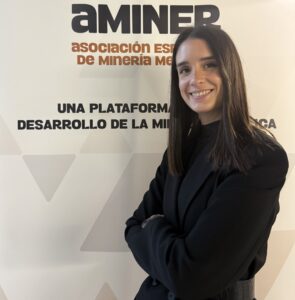
Olga Delgado Fimia - Technician, AMINER

AMINER - Olga Delgado Fimia

Olga Delgado Fimia – Technician, AMINER (Spanish Association of Metal Mining Companies)

1. What is the most important skill you’ve developed so far in your mining career?

The most valuable skill I have developed is bringing together different stakeholders and perspectives. Working at AMINER has taught me how to coordinate companies, public authorities and industry experts while addressing regulatory, environmental and operational challenges. My background in biology has helped me better understand the environmental dimension of mining, allowing me to contribute to informed discussions that support a responsible and competitive mining sector.

2. How has training or on-the-job learning supported your development?

Before joining AMINER, I had a very different perception of the mining sector. Through my work across different areas of the association, including environmental, regulatory, safety, labour and innovation topics, I have gained a broader understanding of the complexity behind modern mining. Continuous training and the knowledge shared by our member companies and experts have been essential to my development. Being involved in initiatives such as the MIN BREF process has also helped me understand the scale of the challenges faced by the sector and the importance of collaboration, knowledge sharing, and continuous improvement.

3. What skill do you think will be most critical for the future of mining?

The future of mining will require a combination of digital skills and multidisciplinary collaboration. Digitalisation will continue transforming the sector, but attracting and developing new talent is equally important. Mining needs professionals from many fields—engineering, environmental sciences, biology, data science, and more. Bringing together different areas of expertise will be essential to build an innovative, sustainable, and competitive mining industry.

Arnaud Bio-Agbenga - Senior Sales Representative, Caterpillar Inc.

Caterpillar - Arnaud Bio-Agbenga

Arnaud Bio-Agbenga – Senior Sales Representative, Caterpillar Inc.

1. What is the most important skill you’ve developed so far in your mining career?

Mining is all about solving our customers’ toughest challenges and creating value. Throughout my career in mining, I have learned that success comes from understanding our customers’ businesses as deeply as we understand our own. Our customers seek partners who can help them improve safety, productivity, uptime, and navigate workforce constraints. Over the years, I have developed the ability to connect technical and commercial solutions to help our customers achieve these outcomes and deliver meaningful results.

2. How has training or on-the-job learning supported your development?

My development has been driven by a combination of formal training and hands-on experience. Early in my career, my background in data analytics helped me build a structured approach to problem solving. As I transitioned into mining, I learned directly from experienced colleagues, product specialists, dealers, and customers. The most valuable lessons came from real-world situations, whether developing strategic agreements or engaging with customers. These experiences have shown me the importance of continuous learning and adaptability. Caterpillar has played a key role in my development by providing exposure to different functions, cultures, and business environments.

3. What skill do you think will be most critical for the future of mining?

Mining has grown rapidly in areas such as artificial intelligence and digital solutions, and it continues to be a pioneer in autonomous hauling systems and advanced technologies. Keeping pace with these advancements is still relevant now more than ever. At the same time, human skills such as collaboration, customer engagement, and adaptability will remain essential. I believe that professionals who can combine business insight, technology, and data to develop innovative solutions, while demonstrating emotional intelligence, will create significant value for the future of mining.

Lucía Martel Paredes - Hydrogeologist Jr., Minera Los Frailes

Minera Los Frailes - Lucía Martel Paredes

Lucía Martel Paredes – Hydrogeologist Jr., Minera Los Frailes

1. What is the most important skill you’ve developed so far in your mining career?

One of the most important skills I have developed during my career in mining is the ability to work safely and responsibly, understanding that safety must always come above any objective. Over time, I have learned to identify risks while performing the work, anticipate possible problems, and make better decisions in the field. I have also greatly improved my communication and teamwork skills, and in turn, I have learned more about data management and the details of each task carried out in a department, because in a mining operation it is essential to coordinate well with colleagues, share information, and support each other to achieve good results.

2. How has training or on-the-job learning supported your development?

Mentoring and daily learning on the job have been key to my professional growth. The courses and training sessions have taught me not only about my work but also about the set of tasks carried out within a team and to have a better understanding of the procedures, but a large part of the learning has also come from day-to-day experience and from working alongside people with more experience in this sector. Each situation has been an opportunity to learn, improve the way of doing things, and gain more confidence when facing new challenges. 

3. What skill do you think will be most critical for the future of mining?

I believe that one of the most important skills for the future of mining will be the ability to adapt and keep learning constantly. The industry and job responsibilities are changing quickly and constantly with the incorporation of new technologies, automation, and digital tools, so it will be necessary for workers to be willing to update their knowledge and acquire new skills while integrating new updates. However, I also believe that maintaining skills such as teamwork, communication, and the ability to make good decisions will continue to be essential, since technology must be accompanied by people’s knowledge and experience to make good use of both. 

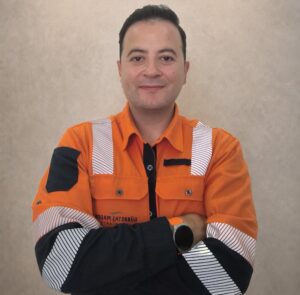
Cumhur Erdem Karahan - Process Engineer, Gübretaş Maden Yatırımları A.Ş.

Cumhur Erdem KARAHAN

Cumhur Erdem Karahan – Process Engineer, Gübretaş Maden Yatırımları A.Ş.

1. What is the most important skill you’ve developed so far in your mining career?

The most valuable skill I have developed is turning technical knowledge into practical improvements. Working in a gold processing plant has taught me that success depends on understanding both the process and the people operating it. I have contributed to process optimization, operator training, and continuous improvement projects by transforming complex metallurgical concepts into practical actions. This ability has helped improve operational performance while creating a stronger learning culture within the plant.

2. How has training or on-the-job learning supported your development?

On-the-job learning has shown me that mining is constantly evolving. Working with process data, automation systems, and metallurgical investigations has helped me understand how small operational improvements can create significant value. Continuous learning has enabled me to contribute to process optimization while adapting to new technologies and sharing best practices with my team.

3. What skill do you think will be most critical for the future of mining?

The most critical skill will be the ability to combine digital technologies with practical engineering knowledge. Future mining professionals must understand process data, automation, and real-time monitoring while maintaining strong operational awareness. However, technology alone is not enough. The engineers who create the greatest value will be those who can translate data into better decisions, safer operations, and more sustainable production while supporting the development of their teams.

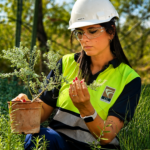
Patricia Jaime - Environmental Supervisor, Cobre Las Cruces

Cobre Las Cruces - Patricia Jaime

Patricia Jaime – Environmental Supervisor, Cobre Las Cruces

1. What is the most important skill you’ve developed so far in your mining career?

The most important skill I have developed is adaptability. In mining, every project brings different challenges, so it’s essential to be flexible and find effective solutions in changing scenarios. I’ve also learned the value of good work planning and collaborating with colleagues from other departments. That coordination across areas allows us to anticipate needs, optimise resources and achieve better results, especially on environmental matters. 

2. How has training or on-the-job learning supported your development?

The best training I’ve received has come from combining technical knowledge with hands-on experience, sharing situations and feedback with colleagues from other departments. Watching environmental restoration projects evolve, monitoring wildlife, or analysing the behaviour of water and air emissions has allowed me to learn something new every day and keep growing professionally. 

3. What skill do you think will be most critical for the future of mining?

I believe the most critical skill for the future of mining will be reconciling the production of resources society needs with responsible environmental management. In my experience as an environmental supervisor, I’ve found that the best solutions are those that integrate technical knowledge, sustainability and a long-term vision. 

Barış Özkorkmaz – Mining Operations Engineer, Öksüt Madencilik San. Tic. A.Ş.

Oksut Mining - Barış Özkorkmaz

Barış Özkorkmaz – Mining Operations Engineer, Öksüt Madencilik San. Tic. A.Ş

1. What is the most important skill you’ve developed so far in your mining career?

I believe the most important skill I have developed throughout my mining career is effective communication. I realized its value during a night shift when the windshield of a production machine was damaged and no spare glass was available. To avoid interrupting production, I quickly coordinated with the operations and maintenance teams to remove a suitable windshield from an idle machine and install it on the damaged equipment. The machine was back in operation in a short time. This experience showed me that strong communication and teamwork are essential for solving challenges in the field.

2. How has training or on-the-job learning supported your development?

My professional growth has been shaped by both formal training and hands-on experience. In particular, MineSight training helped me better interpret digital mine plans and connect them with field applications. I supported the accurate implementation of excavation and production plans on site. Working alongside experienced operators, supervisors and engineers also allowed me to apply theoretical knowledge in real operations. These experiences strengthened my technical skills, improved my problem-solving abilities and reflected the strong learning culture promoted by my company. 

3. What skill do you think will be most critical for the future of mining?

I believe the most critical skill for the future of mining will be the ability to adapt to change while combining technology with field experience. Artificial intelligence and digital twin technologies will enable real-time monitoring of mining operations and more informed decision-making. Autonomous equipment communicating with one another will further optimize production. However, the success of these technologies will ultimately depend on people who can interpret data accurately, integrate technology with practical field knowledge and embrace continuous learning. 

Joint Statement – SHOs – Declaration for a Bold FP10: Investing in Research, Development and Innovation to Boost European Productivity and Competitiveness

Europe stands at a decisive juncture. The Draghi report on European Competitiveness has laid bare a stark reality: Europe’s productivity growth has stalled, its innovation gap with the United States and China is widening, and the continent risks a slow but irreversible decline in its economic standing. At the same time, the Competitiveness Compass and the EU’s political guidelines place research, development and innovation (RD&I) at the heart of Europe’s strategy to reverse this trend. We, the undersigned — 86 European associations representing key RD&I stakeholders — fully endorse this diagnosis and urgently call on EU Institutions to act with commensurate ambition in designing and funding the next Framework Programme for Research and Innovation (FP10).

The Draghi report calls for an additional €800 billion per year in investment to close Europe’s competitiveness gap, with RD&I as the primary driver of sustainable productivity gains. Innovation-led productivity growth is not merely an economic imperative — it is the only credible path to financing Europe’s green and digital transitions, its open strategic autonomy, and its social model. FP10 is the EU’s principal instrument for catalysing this transformation. Its track record of leveraging private investment, maturing technologies, and building the cross-border collaborative ecosystems that no single Member State can replicate alone makes it uniquely placed to deliver at the scale and speed Europe requires.

Yet current EU RD&I spending remains wholly insufficient relative to this challenge. Europe invests significantly less in R&D as a share of GDP than its main global competitors, and the leverage effects of the Framework Programme — demonstrated conclusively by the Horizon 2020 ex-post evaluation — mean that every euro of EU public investment generates multiples in private and national co-investment. Cutting or stagnating FP10’s budget would be a false economy: it would undermine precisely the public-private partnerships, the technology maturation pipelines, and the talent networks that are indispensable to restoring European productivity growth.

We therefore call on EU Institutions to:

  • Allocate a substantially increased budget to FP10, commensurate with the ambition set out in the Draghi report and the Competitiveness Compass, over the 2028–2034 MFF period;
  • Reinforce collaborative, industry-driven RD&I through a strengthened Pillar II, ensuring that public-private partnerships continue to reduce investment risk, accelerate technology maturation and translate research excellence into market-ready innovations that boost productivity;
  • Ensure FP10 together with ECF support the full RD&I continuum — from fundamental research to deployment and scale-up — aligned with EU strategic priorities and clearly defined industrial needs, including the green and digital transitions and European security and resilience. Preserving a strong ECF and FP10, both in terms of budget and in terms of governance and synergies between the two programmes is essential to support the entire innovation cycle, strengthen Europe’s industrial base, and deliver on the Union’s competitiveness objectives.

The window of opportunity is narrow. Decisions taken in the coming months on the next MFF will determine whether Europe has the RD&I firepower to compete globally and sustain its prosperity. We, the undersigned associations, stand ready to work with EU Institutions to design an FP10 that is bold, well-resourced, and fit to deliver the innovation-driven productivity growth Europe urgently needs.

2026 Euromines highlights

As we approach the summer break, this edition provides a snapshot of the key policy developments shaping the European mining and raw materials sector. 

From the priorities of the Irish Presidency and major industrial policy initiatives to climate, sustainability, and environmental files, we look back on a busy first half of 2026 and ahead to the challenges and opportunities still to come.

Snapshots

Irish Presidency programme’s priorities (July 1 – December 31, 2026)

Ireland holds the Presidency of the Council of the European Union from July 1 to December 31, 2026. Heading an 18-month Trio with Lithuania and Greece, the programme focuses on the following strategic pillars:

Competitiveness, investment and regulatory simplification

  • Competitiveness is the overarching priority of the Irish Presidency, with implementation of the One Europe, One Market Roadmap at the centre of its agenda.
  • Strong emphasis on simplification of EU legislation and reducing administrative burdens for businesses while maintaining environmental and social standards.
  • Progress on the 2028–2034 Multiannual Financial Framework (MFF), including discussions on the future European Competitiveness Fund and EU investment priorities.
  • Advancement of the Savings and Investments Union, deeper capital markets and measures to improve access to finance for businesses and innovation.

Industrial resilience, economic security and strategic value chains

  • Implementation of the EU’s Economic Security agenda, balancing openness to trade with greater resilience and protection against unfair trade practices.
  • Focus on strengthening supply chains, reducing strategic dependencies and supporting Europe’s industrial base.
  • Promotion of investment in strategic sectors and technologies, including advanced manufacturing, semiconductors, and emerging technologies.

Energy, decarbonisation and infrastructure

  • Advancement of the European Grids Package and forthcoming Energy Security Package to strengthen energy security and support electrification.
  • Support for accelerated deployment of critical energy infrastructure and clean energy projects.
  • Progress on the Carbon Border Adjustment Mechanism (CBAM) extension and the proposed Temporary Decarbonisation Fund to support industry decarbonisation and address carbon leakage risks.
  • Advancement of sustainable finance legislation, including negotiations on the Sustainable Finance Disclosure Regulation (SFDR).

Security, defence and critical infrastructure

  • Strong focus on European security, resilience and preparedness in response to geopolitical tensions and hybrid threats.
  • Development of critical defence capabilities, defence/industrial cooperation and dual-use innovation ecosystems.
  • Enhanced protection of critical infrastructure, including energy networks, cables, ports and digital systems.

The full programme is available here.

Raw Materials Policy Updates

The long-awaited Industrial Accelerator Act (IAA) was published at the beginning of March under the leadership of Executive Vice-President for Prosperity and Industrial Strategy, Stéphane Séjourné. The proposal signals a clear shift in the Commission’s narrative, placing renewed emphasis on strengthening Europe’s industrial base and competitiveness.

At its core, the IAA is built around three main pillars:

  • Faster permits: Introduce a single, streamlined procedure to cap approval times at 18 months for key clean-tech and energy projects, supported by special “industrial acceleration areas.”
  • Boost EU markets: Use public funding and procurement rules with “Made in EU” and low‑carbon criteria to strengthen local clean manufacturing.
  • Foreign investment rules: Apply stricter conditions to major investments from certain non‑EU countries in strategic sectors, including requirements on technology transfer and local jobs.

Despite the strong political commitment underpinning the proposal, it falls short in addressing critical gaps and chokepoints in the supply chains of critical minerals and the downstream industries that depend on them. This omission remains a major concern for the sector.

The proposal is now progressing through the ordinary legislative procedure, where it will be examined by both the European Parliament and the Council.

In particular, it is calling for improvements in four key areas to enhance the resilience of critical raw material supply chains:

  • The scope and applicability of lead markets, by integrating the IAA ambition with the RESourceEU objective.
  • Eligibility criteria for industrial production and decarbonisation support, where Industrial Acceleration Areas should be applicable also to the upstream value chain.
  • The definition and implementation of Union-origin requirements, by opening the IAA to minerals and materials that are crucial for EU manufacturing.
  • The inclusion of structural measures to secure access to raw materials, by adding a chapter on raw materials that require and put conditionalities on importers of products.

Alongside this flagship industrial policy initiative, the European Commission is continuing to advance its engagement with the raw materials sector through the implementation of the RESourceEU Action Plan. In mid-May, the Commission launched a public consultation running until the end of July, about the creation of EU Critical Raw Materials Centre (CRMC), providing stakeholders with an opportunity to contribute to its development.

In terms of governance and operations, the CRMC should function along commercial lines as an executive agency while pursuing clearly defined policy objectives. Its activities would span the entire value chain, as well as supporting mine development, refining, and research and development.

Energy & Climate

The first half of 2026 has been characterised by intensive work on the ETS implementation for the remainder of the current trading period up to 2030, following the proposals put forward by DG CLIMA in December 2025 to reduce by 50% fallback benchmarks for heat and fuel.

The proposed reduction was seen as highly detrimental, as it would significantly increase compliance costs for energy-intensive industries, weaken their capacity to invest in decarbonisation, undermine competitiveness, and potentially jeopardise broader EU initiatives such as the Critical Raw Materials Act (CRMA), REPowerEU, and the Net-Zero Industry Act (NZIA).

Originally expected in April 2026, the revision has been postponed due to growing political pressure from energy-intensive industries on their national governments.

What began as a highly technical file rapidly evolved into a high-level political issue resulting in a firm commitment from the Commission to introduce a fast-track legislative proposal, running in parallel to the broader ETS Directive revision.

This proposal should empower the Commission to:

  • Adopt fallback benchmarks based on an updated methodology, delivering significantly lower reduction rates.
  • Apply these benchmarks values retroactively from 1 January 2026.
  • Ensure appropriate criteria, including consideration of carbon leakage risks and the exclusion of rigid triggers such as the 50% maximum reduction rate.

On 15 June, Member States approved the Commission’s proposal to update the benchmarks, subject to several conditions. On 15th July, the Commission is expected to present a separate proposal specifically aimed at readjusting the fallback benchmarks. These revised benchmarks are intended to apply retroactively from 1 January 2026 and will be introduced through a fast-track procedure.

At the same time, the European Commission will present in the mid-July, the broader ETS revision for the post 2030 framework. Once published, the revision will enter the ordinary legislative procedure, to be examined by the European Parliament and the Council.

More broadly, policymakers increasingly recognise that the ETS is deeply interconnected with investment in the energy system, industrial transformation, and Europe’s capacity to produce clean, affordable, and domestically generated energy—particularly electricity. Reflecting this, the Commission is also set to present the Electrification Action Plan, alongside proposals on network charges, on 15th July.

Magnesite & Magnesia Assembly

The workshop in February, led by DG GROW, represented an important step in the ongoing assessment of magnesite and magnesia, yielding constructive outcomes and reinforcing the credibility of the work carried out so far.

A key development was the decision to assess magnesite and magnesia jointly. The workshop also helped clarify several critical data gaps that had previously limited the robustness of the assessment. At the same time, progress was made on methodological aspects central to the assessment framework, although some data limitations and uncertainties remain, highlighting the need for further refinement.

To complement confidential industry data, Euromines has developed a model based on publicly available information and sectoral production outlooks to estimate current consumption of Dead Burned Magnesia (DBM), Fused Magnesia (FM), and Caustic Calcined Magnesia (CCM) in Europe, as well as future demand trends. This proxy provides a reasonably accurate representation of the sector’s implications, and it is supported by a detailed report outlining the methodology, data sources, and assumptions used.

Nedmag site visit and Magnesite&Magnesia Assembly meeting

On 30th June, the Magnesite&Magnesia Assembly visited the Zechstein Sea area (Veendam) hosted by our Dutch member Nedmag.

In this area in the north of the Netherlands, Nedmag has two operation sites: a mining location where they extract high quality magnesium salt (magnesium chloride) and a production site where the production of Dead Burned Magnesia (DBM), calcium chloride, and magnesium hydroxide takes place. These products serve a wide range of industries and applications, including pulp and paper, agriculture, environmental solutions, food and health, energy, industrial processes, safety applications, and refractory materials.
The site visit was followed by the meeting, which provided an opportunity to conclude activities ahead of the summer period. During the in-person Assembly meeting, participants reflected on the advocacy efforts carried out:

  • The criticality assessment conducted by DG GROW to enter magnesite and magnesia in the list of critical raw materials during the current revision of the CRMA.
  • The CLM BREF, falling under the Industrial Emissions Directive (IED), revised last year, and introducing several new elements, related to circular economy, decarbonisation, and human health.
  • The carbon markets, with the ETS revision sets to be published on 15th July and setting the scene for the post 2030 framework. 

Sustainability

During the first half of 2026, the Sustainability Committee’s work was strongly shaped by developments in sustainable finance, notably the potential use of the Do No Significant Harm (DNSH) principle as a negative filter for accessing EU funding under the next Multiannual Financial Framework (MFF).

This re-emergence has raised significant concerns, as applying DNSH as an exclusionary tool could limit mining activities’ access to EU funds and thereby undermine the objectives of key initiatives such as the Critical Raw Materials Act (CRMA) and REPowerEU. There is a clear risk that such an approach would weaken the resilience of EU value chains and hinder progress towards strategic autonomy.

In response, Euromines actively contributed to the public consultation advocating for the continued eligibility of the metals and minerals mining sector under the future MFF, emphasising that an exclusionary approach would have far-reaching negative consequences, including slowing innovation, weakening the EU’s strategic autonomy and security of supply, delaying planned investments, and potentially affecting interconnected sectors such as food security.

Therefore, the MFF should support rather than restrict Europe’s raw materials base, and ensuring the continued inclusion of mining would strengthen EU value chains across all metals and minerals, whether linked to defence, clean technologies, or food systems, and ultimately contribute to maintaining Europe’s leadership in developing a sustainable and responsible mining sector.

During the first half of 2026, the Committee also advanced its work on the simplification package, with a particular focus on the revised European Sustainability Reporting Standards (ESRS) developed by EFRAG following last year’s consultation, in which Euromines actively participated and which now serves as the basis for DG FISMA to prepare the updated implementing act.

Building on EFRAG’s draft, the Commission launched a public consultation, to which Euromines contributed by consistently advocating for an overall simplification of the standards and reporting requirements, while also providing targeted feedback on specific data points. In its response, Euromines stressed the need to ensure proportionality, enhance legal certainty and clarity of requirements, and sharpen the focus on material information relevant to primary users, avoiding overly detailed and burdensome reporting obligations, particularly with regard to stakeholder engagement processes. Euromines also highlighted the importance of alignment with international standards to ensure consistency and reduce duplication.

Environment

Environmental Omnibus (VIII)

As part of its simplification efforts, the European Commission published a proposal for an Environmental Omnibus (Omnibus VIII) in December 2025, which includes proposals to streamline the IED (COM(2025)986) and to speed up environmental assessments (COM(2025)984). The ex-post consultation that ran from 12 March was the opportunity for Euromines to support the initiative and to provide further concrete amendments. More specifically, improvements can be made in the proposal on the speeding up of environmental assessments regarding the streamlining of project modernisation and decarbonisation, substantial preclusion, legal certainty, administrative efficiency, and the Birds Directive derogation gap.

The EP ENVI draft report on speeding up of environmental assessments, released on 22 May, is built on 3 principles: technology and sector neutrality, adaptive timelines, and digitalisation. A central element is the removal of provisions on strategic industrial projects, arguing that the strategic sector designation creates a 2-tier system, undermines coherence, and lacks a legal definition. The EP ENVI draft, which does not consider Euromines’ proposals, reduces competent authority deadlines for screening and environmental assessments and replaces fixed COM deadlines with project-specific timelines set by the competent authority on a case-by-case basis.

The EP deadline to table amendments is on 23 June, the indicative EP ENVI vote is planned on 1 October and indicative EP plenary vote on 19 October. The Council expects its general approach to be finalised in October. The Irish Presidency wants to finalise the file by December 2026.


Water Policy

The file related to the Protection of groundwater against pollution and environmental quality standards in the field of water policy (linked to the Water Framework Directive – WFD) reached a conclusion. The Directive amending the WFD, Groundwater Directive and EQS Directive was published in the Official Journal of the EU on 20 April and entered into force on 10 May 2026. Member States must transpose the Directive at national level by 21 December 2027. The outcome was disappointing for the mining sector, as not only did policymakers miss an opportunity to tackle serious issues hampering the permitting of mining operations, but they also strengthened the “non-deterioration” definition and introduced 2 limited derogations – ineffective at the scale of mining operations.

Shortly after, following up on announcements in December 2025 in the REsourceEU Action Plan and the proposed Environmental Omnibus, the Commission released its WFD Guidance on 22 May. However, despite its positive ambitions, this new document fell short and confirms Euromines’ issues with the WFD.

In parallel, the European Commission opened a call for evidence on 17 March, in order to support a review and targeted revision of the WFD (also announced in December 2025). The targeted revision should ensure it continues to contribute to water resilience as outlined in the Water Resilience Strategy, while supporting the EU’s strategic autonomy in relation to critical raw materials. Euromines’ input supports the initiative, advocating for a material-neutral approach, pragmatic definitions, and workable and predictable derogation pathways.

The Commission is expected to release its proposal for the targeted WFD revision in Q3/Q4 2026.


Stress-test of the Birds and Habitats Directives (BHDs)

The Environmental Omnibus Communication of December 2025 also announced that the Commission would stress-test the BHDs in 2026, taking into account climate change, food security, competitiveness, resilience, the evolving case-law and need for legal certainty and other developments and present guidelines to facilitate implementation including with regard to predative species. The objective is to assess whether the BHDs remain relevant, proportionate, and fit to achieve their objectives in a cost-efficient way. The stress-test aims at updating the 2017 fitness check of the BHDs, with 3 main topics in scope: application of Article 6 of the Habitats Directive (focus on the appropriate assessment procedure for Natura 2000 sites); policy coherence, stakeholder participation, funding support and governance; and species protection and derogations. The Commission will also focus on updating the annexes for scientific and technical progress.

Preliminary findings show that the stress-test and potential subsequent revision of the BHDs could be an opportunity to address challenges faced by the mining sector in terms of operations and permitting processes.

The Commission opened a public consultation running until 4 August.


Industrial Emissions Directive (IED) 2.0

Almost 2 years after the publication of the revised IED (15 July 2024), several aspects of the revision are still a work in progress, and the consequences of the new text are not all fully defined yet. While Member States are tasked to transpose the new IED by 1 July 2026, the Commission is committed to delivering several implementing acts and decisions.

After several consultations carried out in 2025 and 2026, the Commission has still not released any of the promised outputs. During and following the Article 13 Forum meeting that took place on 2-3 March 2026, Euromines provided feedback on the Commission’s first draft on the method for assessing compliance with permit ELVs for emissions to air and water, and on the second draft BREF guidance – including joint papers together with other industry associations. Industry considers that the proposal on compliance assessment is premature as it contains technical errors and limitations, and risks creating conflicts with EN standards (European Norms). It is advised putting the work on hold while CEN works on EN 14181, to allow for the development of a technically sound method to account for measurement uncertainty. While the second draft of the guidance for the drafting of Best Available Techniques Reference Documents (BREF guidance) presented notable improvements, several issues still required work to uphold the quality, efficiency and transparency of the BREF process.


MIN BREF

During the first half of 2026, the Metal Mining BREF Technical Working Group (MIN BREF TWG) finalised the drafting of the questionnaire that was then used to perform the data collection among the 52 well-performing sites identified by EU-BRITE. The data collection phase ran from 6 March until 15 June.

After an unsuccessful attempt to identify Key Environmental Issues (KEIs) for process chemicals beginning of 2026, the MIN BREF TWG subgroup on chemicals reconvened on 10 June with the aim to identify the criteria that should be applied when assessing which chemicals should be KEIs. The work is to be continued with a new proposal from EU-BRITE to the subgroup.

The third round of MIN BREF site visits took place in Finland on 26-27 May and led the TWG to the Terrafame mine and Sotkamo Silver mine. Representatives from European Commission (EU-BRITE, DG ENV), ECHA, Member States (AT, EL, ES, FI, SE, NO) and industry (Euromines) took part in the tour.

As for the next steps, the data assessment phase will run until the end of 2026. In parallel, the MIN BREF TWG will agree on the criteria to apply in order to identify chemical KEIs and will identify those KEIs during the data assessment workshop scheduled in Autumn. The first MIN BREF draft is expected to be released in Q1 2027.

Euromines Environment Committee

Between 16–17 June, the Euromines Environment Committee met in Lubin, Poland, for an on-site committee meeting hosted by KGHM Polska Miedź.

A particular highlight was the Rudna visit to the largest underground copper mine in Europe, where the guide took the group down to 1250 meters under 45°C and showcased the complex system in place to operate in this context. As well, the team was taken to the largest and one of the most technologically advanced flotation tailings facilities in the world – utilising state-of-the-art technology to store, purify and recycle water for all processes related to the mine. The tour also included a visit to the ore extraction shafts, which transfer hundreds of tonnes of raw ore to be refined each day.

Health & Safety

Social and Sectoral Dialogue Committee for the Extractive Industries (SSDCEI)

On 31st March Euromines participated in the Social and Sectoral Dialogue Committee for the Extractive Industries meeting. The meeting is a tripartite committee between the European Commission, employer and employee representatives. In the meeting the three bodies agreed on signing a joint statement in support of the workers of the tractive industries in Ukraine.

Euromines presented the results of the NOx and Diessel emissions report was shared, highlighting the immense efforts and success of the underground mining industry has made in reducing worker exposure to emissions. It was communicated to the committee that an extension of the deadline would ensure full compliance with the regulation. The Commission presented the recent guidelines for pedestrian safety in the sector, the new asbestos guidelines as well as statistics on health and safety in the sector, the picture presented of the sector was that mining is a dangerous sector, but the statistics presented were combined with coal and aggregates.

Euromines Health and Safety reporting

Euromines has started the Health and Safety reporting with data from the year of 2025. This reporting collects data from our members about injuries, diseases and fatalities in underground mining. This data collection exercise is important to disaggregate metallic mining from other mining sectors and present a transparent and realistic view of the safety of mining within our membership.

Euromines visibility

European Industry Summit 2026 in Antwerp

On 11th February, Euromines President, Jan Mostrom, participated in the European Industry Summit 2026 in Antwerp, bringing together around 600 stakeholders, including European Commission President Ursula von der Leyen, Commissioners, Prime Ministers, industry leaders, and social partners to discuss Europe’s industrial competitiveness.

During the high-level roundtable discussions, Euromines highlighted the importance of strengthening European value chains from mining and recycling through to finished products, ensuring that “Made in Europe” reflects resilience, strategic autonomy, and value creation across the entire supply chain.

European Industry Summit 2026

Euromines in Bofors

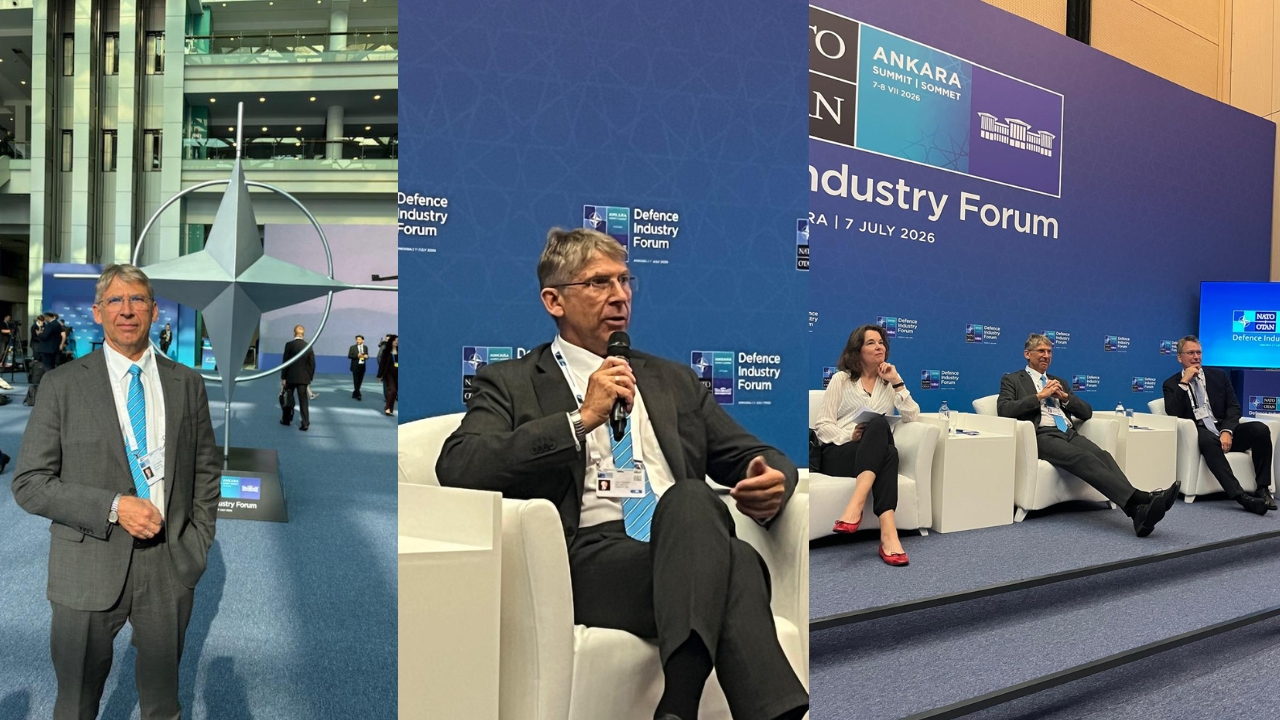
At the end of February, Dr. Anderhuber participated to the Security of Supply Centre of Excellence’s Security of Supply Symposium 2026, a high-level panel discussion on the critical importance of metals and minerals in defense. His intervention highlighted a clear and pressing reality: the security of Europe’s defense capabilities is inseparably linked to the security of its raw materials supply. He emphasised that ensuring access to mission-critical materials is not only an industrial necessity, but also fundamental to preserving European values such as freedom and democracy.

Euromines in Bofors

PDAC 2026 session

On 3 March 2026, Euromines and CEUTIA co-hosted the event “EU–Canada Business Access 101 – Leveraging CETA for Raw Materials” during PDAC 2026 in Toronto, bringing together industry representatives, financial institutions, policymakers, and investors from both sides of the Atlantic.

The discussion focused on how the EU–Canada Comprehensive Economic and Trade Agreement (CETA) and the Strategic Partnership Agreement can support cooperation in critical raw materials, strengthen supply chain resilience, and facilitate investment in mining, processing, and related technologies. Industry leaders shared practical experiences and success stories on market access, financing, offtake agreements, regulatory alignment, and technological collaboration

EP policy breakfast

On 25 March 2026, Euromines hosted a policy breakfast at the European Parliament on “RESourceEU, the Industrial Accelerator Act (IAA) and Simplification: Designing a Clear Permitting Pathway for Europe.” The event brought together policymakers, industry representatives, and civil society stakeholders to discuss how Europe can create a coherent framework for securing critical raw materials while strengthening industrial competitiveness.

The discussion focused on the implementation of the Industrial Accelerator Act, the RESourceEU Action Plan, and ongoing simplification efforts, with particular attention to streamlining permitting procedures and improving regulatory coherence across the mineral value chain. Participants exchanged views on the practical steps needed to translate Europe’s strategic ambitions into effective policy measures that support investment, resilience,and sustainable growth.

Euromines in Australia

At the end of March, Dr. Florian Anderhuber, Deputy Director General of Euromines, participated as a panellist at the Minerals Week 2026 in Australia—an event that brought together mining leaders and policymakers from across the world.

During the discussions, Dr. Anderhuber emphasised that today’s mining sector faces a shared set of challenges across jurisdictions. From geopolitical uncertainty and energy price volatility to permitting delays and increasing supply chain pressures, the global minerals landscape is becoming more complex and fragmented. Yet, as highlighted throughout the panel, these challenges also open up new opportunities for collaboration.

Euromines in Norway

In mid-April, Euromines co-organised, with the Federation of Norwegian Industries,
and Aggregates Europe, the Mineral Industry Days 2026 in Oslo.

The two-day event brought together policymakers and industry leaders to reflect on how Europe’s mineral sector can support a more resilient and sustainable future. Euromines President Jan Moström and Euromines Director General Rolf Kuby, with the other speakers, highlighted the widening gap between Europe’s strategic ambitions and the realities facing industry, from lengthy permitting processes to declining domestic processing capacity. A shared understanding emerged: raw materials are no longer a peripheral issue, but central to Europe’s energy transition, defense readiness, and industrial sovereignty.

Euromines 30th anniversary and high-level policy event

On 22 April 2026, Euromines hosted the high-level policy event “Securing Europe’s Industrial Resilience: Strategy for Next-Generation Mining” in Brussels, starting with remarks by Euromines President Jan Moström, followed by a keynote address from Executive Vice-President Stéphane Séjourné. A moderated fireside chat, featured MEP Hildegard Bentele (EPP, DE) and MEP Brigitte van den Berg (Renew, NL), reflecting cross-party perspectives on Europe’s industrial resilience and raw materials strategy.

Discussions focused on Europe’s ability to secure critical raw materials in an increasingly competitive and geopolitically volatile environment, with particular emphasis on the RESourceEU Action Plan and the need for coordinated action across financing, industrial policy, and supply chain governance.
EIT RawMaterials Summit

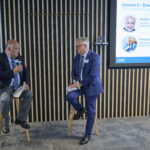
On 19-21 May, in Brussels, Euromines played an active role at the EIT RawMaterials Summit 2026, contributing to high-level discussions on Europe’s industrial competitiveness, strategic autonomy, and raw materials security. During the fireside chat “Anchoring Value in Europe: Connecting Industry and Policy on Europe’s Raw Materials Reality”, Euromines President Jan Moström emphasised that Europe’s ability to remain competitive will depend on creating stable and attractive investment conditions across the entire raw materials value chain. Moström stressed that achieving strategic autonomy requires not only ambitious legislation, but also faster project delivery, stronger industrial competitiveness, and effective implementation of key initiatives such as the Critical Raw Materials Act.

Euromines was also represented by President Emeritus Mark Rachovides, who moderated the high-level discussion “Europe’s Other Mine: Circularity as Europe’s Competitive Advantage.” The session explored the role of circularity in strengthening Europe’s resilience and securing access to critical raw materials. Participants underlined that, while Europe has significant potential in secondary raw materials, progress is hindered by regulatory fragmentation, investment challenges, and limited market integration.

Entrepreneurs Forum in Cyprus

The European raw materials sector recently gathered in Larnaca, Cyprus, for the Entrepreneurs’ Forum “Why Do We Need Minerals?”, held under the auspices of the Cypriot Presidency of the Council of the European Union. The event brought together more than 150 participants from over 20 countries, including policymakers, industry representatives, and stakeholders from across the raw materials value chain. It was co-organised by Euromines, Aggregates Europe, and Eurogypsum, in cooperation with national partners from Cyprus and Greece. High-level contributions included an address by the President of the Republic of Cyprus, Nikos Christodoulides, and participation by Maria Panayiotou, Minister of Agriculture, Rural Development and Environment.

Discussions focused on the strategic importance of raw materials for Europe’s competitiveness, resilience, and green and digital transitions. Speakers highlighted the essential role of minerals across infrastructure, energy, mobility, housing, and defence, alongside the need to improve permitting efficiency, strengthen domestic supply, and balance environmental and industrial objectives. The event underlined the complementary role of primary production, recycling, and innovation, concluding that Europe’s long-term resilience depends on secure, sustainable access to raw materials and stronger

EU Green Week – Euromines partner event

On 12 June 2026, Euromines hosted the online webinar “From Land Use to Land Renewal: The Mining Sector’s Role in Nature Restoration,” showcasing how former mining sites across Europe can be transformed into safe, stable, and biodiverse landscapes. The event brought together policymakers, industry representatives, academics, and civil society to discuss practical approaches to nature restoration in the mining sector.

The programme featured keynote case studies from Atalaya Mining, Boliden, and Eldorado Gold – Hellas Gold, highlighting restoration projects in Spain, Sweden, and Greece, including geomorphic landscape redesign, river ecosystem reintegration, and large-scale tailings rehabilitation. A multi-stakeholder panel, including representatives from the European Commission (DG ENV), the European Parliament, academia, and Transport & Environment, examined lessons learned and future challenges, followed by an interactive Q&A session.

As we head into the summer period, we thank all our members and partners for their engagement and support throughout a dynamic first half of the year. We look forward to continuing our work together in the months ahead and wish you a relaxing and well-deserved summer break.

Join Euromines: Manager Raw Materials and Sustainability Policy

Are you a motivated team player with a passion for European policy, industrial competitiveness and the sustainability transition? Do you have experience working on EU policy and advocacy, and an interest in the strategic role of minerals and metals in Europe’s future? If so, we’d love to hear from you.

Euromines is looking for a Manager, Raw Materials and Sustainability Policy to join our Brussels-based team. In this role, you will lead our work on raw materials and sustainability policy, coordinate the activities of the Sustainability Committee, and support the Director General in the Policy Committee.

Euromines offers a full-time employment contract under the Belgian law. The position is based in Brussels, with flexible working arrangement: 4 days/week working from the office. Ideal starting date: ASAP latest October 2026

Key responsibilities

As Manager, Raw Materials and Sustainability Policy, you will:

  • Monitor EU policy and legislative developments affecting the minerals industry, including the Critical Raw Materials Act, RESourceEU, the Industrial Decarbonisation Accelerator Act, Standards-Based Markets and related initiatives.
  • Analyse policy developments and prepare position papers, briefings and advocacy materials in close collaboration with Euromines members.
  • Develop and implement advocacy strategies on key policy priorities.
  • Coordinate policy positions and advocacy activities with national associations, European industry organisations and other stakeholders.
  • Represent Euromines in meetings with the European Commission, European Parliament, Council and other EU institutions.
  • Provide policy advice and support to Euromines members.

You will report directly to the Director General and will be in active liaison with the other Euromines departments on Energy, Environment, Health & Safety and Communication.

Education and experience

  • University degree, preferably in economics, law, political science or a related field.
  • Approximately 3–5 years of relevant professional experience in EU public affairs, an industry association, think tank, consultancy or EU institution.
  • Strong understanding of the EU policymaking process and institutional landscape.
  • Established professional network within the EU institutions.
  • Demonstrated interest in European industrial policy.
  • Knowledge of EU and global raw materials policy is considered a strong asset.

Key Skills

  • A proactive, results-oriented professional with excellent organisational and interpersonal skills.
  • An effective communicator, able to engage confidently with colleagues, members and policymakers.
  • Skilled at analysing complex policy issues and translating them into practical advocacy strategies.
  • Passionate about the contribution of the minerals and metals sector to Europe’s competitiveness, resilience and sustainability.
  • A strong analytical thinker with sound judgement and problem-solving abilities.
  • Comfortable managing multiple priorities and delivering high-quality work under pressure.
  • An excellent writer and presenter in English. Knowledge of additional EU languages is an advantage.
  • Proficient in Microsoft 365 and familiar with project management and digital collaboration tools.

Application Instructions

Mavence is the selected recruitment partner for this assignment.

To apply for this post, please submit via email to Anna Koj (anna.koj@mavence.com) and Jade-Ihintza Droneau (info@mavence.com) the following information:

  • An up-to-date curriculum vitae (of no more than 2 pages).
  • A detailed statement (of no more than 1 page) explaining why you are interested in this post and giving evidence of how you meet the Candidate Specification criteria.

Deadline for applications: 31 July 2026.

About Euromines

Euromines represents the European mineral raw materials industry towards the European Institutions and international or intergovernmental bodies by establishing a constructive dialogue and by ensuring an early consultation in all areas of EU policy affecting the industry. Euromines advocates the mineral raw materials industry interests by promoting the benefit and value of both the products and the industry to society and by asserting the industry’s views and positions.

Member Spotlight: Primigea – Spain’s 2026–2030 Sustainable Mineral Raw Materials Action Plan

Primigea_Vista aérea Fábrica de Buñol_Spain

Primigea (the Spanish Confederation of the Mineral Raw Materials Industries), founded in 2019, represents the full spectrum of Spain’s non-energy extractive sector—from aggregates, clays, and industrial minerals to metallic mining and metallurgy. Its mission is to advocate for the sector across national and international institutions while promoting sustainable development through technical excellence, environmental stewardship, safety, and responsible resource management.

One of the achievements we are most proud of is the approval by the Spanish Council of Ministers of the first Action Plan 2026–2030 for the Sustainable Management of Mineral Raw Materials. This milestone marks a turning point: after more than four decades without a comprehensive national strategy, Spain now has a structured, forward-looking framework built on 34 actions and backed by an initial budget exceeding €414 million. The Plan implements the 2022 national Roadmap and is complemented by the National Mining Exploration Programme 2026–2030, reinforcing both resource knowledge and supply security.

Primigea played a decisive role throughout this process. At a critical moment during the pandemic, we initiated dialogue with the Government, highlighting the strategic importance of mineral raw materials. We subsequently submitted a draft proposal that served as the foundation for the official strategy, actively contributing through consultations and formal feedback. This collaborative effort ultimately led to the adoption of a policy framework that recognizes mineral raw materials as essential for economic resilience and strategic autonomy.

The impact of this achievement extends well beyond our organization. It strengthens the competitiveness and sustainability of the European mining sector by promoting resource efficiency, supporting circular economy principles, and ensuring secure domestic supply chains—key elements in a context where raw materials are critical for energy transition and industrial value chains. The main challenges included aligning diverse stakeholders and integrating innovation into established structures; however, these challenges also created opportunities to foster collaboration, drive innovation, and build long-term capabilities.

As Euromines celebrates its 30th anniversary, we recognize the vital role this network has played in our journey. Membership has enabled Primigea to engage in high-level advocacy, stay closely aligned with European regulatory developments, and exchange best practices with industry peers. This has strengthened our strategic positioning and amplified our voice at the European level, contributing directly to our growth and effectiveness.

Looking ahead, Primigea’s priorities focus on advancing digitalisation, enhancing sustainability performance, and reinforcing stakeholder engagement. This includes continued efforts in emissions reduction, water management, biodiversity promotion, and the deployment of innovative technologies across the value chain.

We see our organization as an active contributor to the future of mining in Europe—supporting a secure, sustainable, and responsible supply of mineral raw materials. Through ongoing collaboration within Euromines and beyond, Primigea will continue working towards a sector that is not only competitive but fully aligned with Europe’s environmental, social, and industrial ambitions.

Primigea_Sodira_Spain

EU Green Week 2026 Webinar: From Land Use to Land Renewal – Mining Restoration Projects Showcase Nature Recovery Across Europe

On 12 June 2026, Euromines hosted its EU Green Week partner event, “From Land Use to Land Renewal: The Mining Sector’s Role in Nature Restoration“, bringing together industry representatives, policymakers, academics, civil society organisations, and members of the public to explore how mining sites across Europe are being transformed into thriving natural landscapes.

The webinar highlighted three restoration projects from Spain, Sweden, and Greece, demonstrating how former mining areas can be rehabilitated into safe, stable, and environmentally valuable ecosystems that continue to deliver benefits long after mining activities have ceased.

The first case study, presented by Atalaya Mining, examined the geomorphic landforming restoration of the Ilmenitas Waste Rock Dump in Spain. The project demonstrated how mining waste facilities can be reshaped to integrate into the surrounding landscape while supporting future land uses and ecological recovery.

Boliden presented the restoration of the Långdal open-pit mine in northern Sweden, where parts of the Skellefteå River had previously been diverted during mining operations. Restoration efforts successfully reconnected the river to its natural course while protecting water quality. Former industrial areas and waste tips were transformed into meadows and deciduous forests, with habitat creation measures targeting species such as the white-backed woodpecker. The project involved the ongoing participation of local communities and authorities. 

The third case study, presented by Eldorado Gold’s Hellas Gold, focused on the large-scale rehabilitation programme at Olympias in Greece. The project involved the removal and remediation of legacy tailings, waste materials, and contaminated soils across approximately 450,000 square metres, followed by slope stabilization, soil coverage, and revegetation using local plant species. This case served as a concrete example of progressive restoration efforts along the mining life cycle.

Following the presentations, a panel discussion explored the role of European legislation, scientific knowledge, opportunities and challenges, and stakeholder cooperation in supporting successful restoration outcomes.

Professor José F. Martín Duque of the Complutense University of Madrid praised the quality of the projects presented, highlighting the Swedish case study as particularly remarkable. He noted that restoration efforts had not simply returned the river to its previous condition but had improved it beyond its original state. He also emphasised that mining remains essential for society and that European mining operations are among the most environmentally responsible in the world, and reiterated the importance of integrating the management of socio-economic indicators. Emily Ritchie of Transport and Environment noted that restoration of these sites relies heavily on local community engagement, as well as incorporating restoration into the entire life cycle of the mine, which is standard practice for European operators.

Representing the European Commission’s Directorate-General for Environment, Przemysław Ogiński highlighted the role of EU environmental legislation in driving high restoration standards. He pointed to initiatives such as the Nature Restoration Regulation and noted that former mining sites often provide valuable opportunities for biodiversity recovery. He also noted that the creation of platforms where mining operators, regulators, local communities, and environmental organisations can engage in open dialogue and work together on restoration objectives should be considered in the future. Increased funding and stronger coordination between public and private financing mechanisms were also identified as important factors in enabling future projects.

The discussion also addressed the practical challenges of restoration. One recurring theme was the difficulty of obtaining suitable topsoil and native plant species. Sara Carlsén (Boliden) explained that restoration efforts frequently require imported soils and locally adapted seed mixes, both of which can be difficult to source at scale. She highlighted the importance of collaboration with local communities and authorities, and the use of indigenous and local knowledge to guide restoration planning.

Anastasia Galatsianou (Hellas Gold) described the challenges associated with rehabilitating sites containing millions of tonnes of historic waste materials. She noted that ecological recovery is inherently unpredictable and requires long-term monitoring and adaptive technology management. Panelists agreed that restoration cannot always follow a linear path and that regulatory frameworks must recognise the dynamic nature of ecological systems.

A key message emerging from the discussion was that meaningful restoration often takes decades to achieve. While policymakers and permitting authorities seek measurable outcomes, successful ecosystem recovery requires flexibility, long-term commitment, and an understanding that nature develops on timescales that frequently extend far beyond political cycles.

One aspect that emerged time and again was the importance of transparency in the operational and environmental management of mining activities in order to build public trust.

The webinar concluded with a clear message: successful mine restoration depends on science-based approaches, strong stakeholder engagement, and regulatory frameworks that support long-term environmental outcomes. The projects presented demonstrated that, with careful planning and sustained commitment, former mining sites can become valuable assets for biodiversity, local communities, and future generations. It demonstrates that European mining has impressively advanced and goes beyond regulatory compliance.

International Day of Women in Mining 2026: Women Shaping Europe’s Mining Future

What inspires women to build careers in mining? What challenges have they overcome, and what advice would they give the next generation?

To mark International Day of Women in Mining (IDWIM) 2026, celebrated annually on 15 June, Euromines spotlights six women from its member organisations. Through their experiences and insights, they highlight the women driving innovation, sustainability, and leadership in the industry.

The women featured represent expertise across engineering, geology, operations, technology, project development, and leadership, showcasing the diversity of careers in mining and the role women play in shaping its future.

Watch the video below to hear directly from the women helping shape the future of European mining.

Featured women include:

  • Anna Sobieraj-Kozakiewicz, Vice President of the Management Board, International Assets, KGHM Polska Miedź S.A.

  • Jenny Greberg, Vice President of Technology, LKAB

  • Anja Moser-Tscharf, Head of Global Mining & Geology, RHI Magnesita

  • Lorena Viladés, Strategic Advisor, PRIMIGEA

  • Maria Toscano, Operations Technician, Project Development & Permitting, IPH

  • Laura Fernández Alonso, Chemical Engineer and Project Manager, Minerals & Metals Division, IDOM

Stories driving innovation, sustainability, and leadership

Through a series of questions, these women shared their career journeys, the skills needed to succeed in mining, and the industry’s evolving role in Europe’s green and digital transitions. Their insights highlight the importance of innovation, collaboration, and continuous learning in a sector essential to modern society.

As demand for critical raw materials grows, attracting diverse talent to the European mining industry is increasingly important. A workforce with a broad range of perspectives strengthens innovation, supports sustainable practices, and enhances the sector’s resilience and competitiveness.

Euromines celebrates the women contributing to our industry and promotes greater diversity and inclusion across the mining value chain, sharing their stories to inspire future generations to explore rewarding careers in the sector.

Euromines at Green Transition Forum 6.0: Secure raw materials access key to Europe’s green and industrial future

Jan Moström -Euromines President at Green Transition Forum 6.0

At the Green Transition Forum 6.0 in Bulgaria, held on 3 June 2026, Euromines President Jan Mostrom took part in a high-level panel discussion focused on Europe’s industrial resilience and the future of its green transition amid increasing geopolitical and supply chain pressures. He underlined that Europe’s competitiveness, strategic autonomy, and green transition all depend on one essential foundation: secure access to raw materials.

While EU initiatives such as the Critical Raw Materials Act and ResourceEU were welcomed as important steps forward, discussions in Sofia centered firmly on implementation. Turning ambition into delivery, speakers stressed, now requires predictable permitting processes, competitive investment conditions, coherent industrial policies, and stronger market signals for responsibly produced, low-carbon raw materials.

In the context of rising global competition for critical minerals and accelerating industrial decarbonisation, modern European mining was highlighted as a highly regulated, technology-driven and sustainability-oriented sector that plays a key role in securing resilient industrial value chains. Participants warned that without the ability to develop and operate critical raw materials projects within Europe, the EU’s strategic autonomy objectives would remain difficult to achieve.

Industry and stakeholder voices

The discussion brought together representatives from industry, academia, policy, and civil society, including Euromines members DPM Metals and the Bulgarian Chamber of Mining and Geology:

  • Ivaylo Koprev, Rector, University of Mining and Geology “St. Ivan Rilski”
  • Vedrana Lemor, Head of Corporate Sustainability, Aurubis AG
  • Ivailo Georgiev, Sustainability and Public Affairs Manager, Aurubis Bulgaria
  • Dominic Hamers, Executive Director, GEOTECHMIN GROUP OOD
  • Irena Tsakova, General Manager, DPM Krumovgrad EAD
  • Milana Petkovic, Communications Officer, DPM Avala, Serbia,
  • Armenak Grigoryan, General Manager, DPM Metals Bosnia and Herzegovina
  • Rumen Radev, Chairperson, Bulgarian Industrial Capital Association
  • Nikola Rangelov, Chair of the Board, Bulgarian Association of the Metallurgical Industry (BAMI)
  • Christian Dr. Kühne, Managing Director, Think Tank for Industrial Resource Strategies
  • Ivan Mitev, CEO, Bulgarian Chamber of Mining and Geology
  • Georgios Karakatsanis, Founder and Director, EVOTROPIA Economic Architectures
  • Boyan Rashev, Founder, MindYourFuture.org
  • Sergei Stanishev, Member of the Strategic Foresight Committee, Green Transition Forum (Moderator)

Key takeaway

The session reaffirmed that Europe’s green and industrial transitions depend on a secure and domestically anchored raw materials supply chain. Participants stressed that this requires coordinated action across permitting, investment conditions, policy coherence, and demand creation for sustainable materials. Without the ability to develop and operate critical raw materials projects within Europe, strategic autonomy objectives risk being undermined.

World Environment Day 2026: Sustainability and Circularity in European Mining

At Euromines, we believe that sustainability and responsible resource management are essential to a competitive and resilient mining sector in Europe. 

On World Environment Day 2026, we showcase how our members are turning sustainability ambition into action across Europe’s mining and minerals industry, from environmental protection and decarbonisation to biodiversity restoration and responsible resource use, highlighting the concrete steps shaping a more sustainable future for mining in Europe.

ABB – eMine™ Battery-Electric Trolley Truck System

ABB eMine™ enables the transition from diesel-based mining to fully electrified operations, supporting the shift toward low-emission, energy-efficient mining.

At the Kristineberg mine in Sweden, in collaboration with Boliden and Epiroc, a battery-electric trolley truck system is enabling fossil-free underground mining in practice.

The solution reduces CO₂ emissions, eliminates exhaust gases, and improves overall energy efficiency, while advanced digital tools help optimise energy use and operational performance across the mine.

ABB eMine™ is accelerating the move toward cleaner, more efficient mining operations.

Primigea – Knauf Ecological Restoration Project (Gypsum Landscapes)

Primigea – Knauf Ecological Restoration Project (Gypsum Landscapes)

At Knauf Iberica, a member of Primigea (Spanish Confederation of Mineral Raw Materials Industries), sustainability is embedded in the way we operate. Through the Ecological Restoration Project in Gypsum Landscapes in Ventas de Huelma and Escúzar (Granada, Spain), we demonstrate how responsible mining can support biodiversity conservation, ecosystem resilience, and long-term environmental value creation by restoring rare gypsicolous ecosystems that host unique and often endemic species.

Developed with the University of Granada, the project combines scientific research and innovative restoration techniques such as native species planting, experimental seeding, and hydroseeding to improve ecosystem recovery. Beyond land rehabilitation, it also contributes to knowledge sharing and best practice development for the mining sector, showing how science and responsible mining can work together to protect biodiversity and restore landscapes.

KGHM - Falcon Conservation

World Environment Day 2026 - KGHM

KGHM Polska Miedź S.A. continuously monitors local ecosystems and takes active steps to protect endangered plant and animal species. The areas surrounding the Głogów and Legnica metallurgical facilities in Poland are classified as woodland, providing a rich natural environment that supports a wide range of bird and animal species.

Since 2009, one of KGHM’s metallurgical facilities has become an important nesting site for falcons, among the rarest bird species in Poland. To support their presence, KGHM employees have constructed a dedicated nesting platform on the chimney of the Głogów Copper Smelter and Refinery. Each year, female falcons return to the site to lay their eggs.

This year, four young falcons have hatched and have been fitted with ornithological rings: yellow rings identifying birds nesting in urban areas, and blue observation rings for birds born in the wild. Over the past 18 years, a total of 54 chicks have hatched at this KGHM site.

LKAB - Scandinavia’s first Geomorphic test site

World Environment Day 2026 - LKAB

In 2022, LKAB established Scandinavia’s first geomorphic test site in Svappavaara, demonstrating how mining operations can support biodiversity and land rehabilitation while remaining active.

Using advanced modelling software and data from 30 local reference areas, barren rock is transformed into landscapes that resemble and function like the surrounding natural environment. The varied terrain creates conditions that support diverse plant life and ecosystem development.

The site is being restored to a lichen-pine heath habitat, with species including pine, reindeer lichen, lingonberry, and heather. Recognised as a Best Available Technique in Europe, geomorphic design helps integrate mining areas back into nature both visually and functionally.

Hellas Gold - Eldorado Gold - Skouries Project - Reducing environmental footprint through filtered tailings

World Environment Day 2026 - Hellas Gold - Eldorado Gold

Hellas Gold, a subsidiary of Eldorado Gold Corporation, is investing in the sustainable development of the Kassandra Mines in northeastern Halkidiki, Greece. Across its operations, the company is committed to responsible mining practices that combine environmental protection, resource efficiency, innovation and long-term value creation.

At the Skouries copper-gold project, filtered tailings play a central role in the project’s environmental design. Unlike conventional tailings storage, this method removes most of the water from processing residues, creating a compact, sand-like material with greater stability.

The approach has enabled a 40% reduction in the project’s operational footprint compared with the original design, as only one tailings storage facility is required instead of two. It also supports significant water recycling and reuse, reducing the need for fresh water throughout the production process.

Together with progressive rehabilitation and the site’s planned integration into the surrounding landscape after closure, filtered tailings help minimise environmental impacts while improving resource efficiency and supporting long-term environmental stewardship.

Atalaya Mining - Restoration of old waste dumps

World Environment Day 2026 - Atalaya Mining

Atalaya Mining is finalising the restoration of historic waste dumps containing ilmenite near the Riotinto mine in Spain. The project involved removing approximately 150,000 m³ of waste, followed by the installation of sealing and water management systems to prevent acid or metal-laden runoff.

Using innovative geomorphological techniques, including the GeoFluv – Natural Regrade system, the site is being reshaped to blend with the surrounding landscape and support the natural regeneration of vegetation.

The project has gained recognition within the scientific community as a successful example of modern mine restoration. Although the waste was not generated by Atalaya Mining’s operations, its restoration reflects the company’s voluntary commitment to creating a positive environmental and social impact in the region.