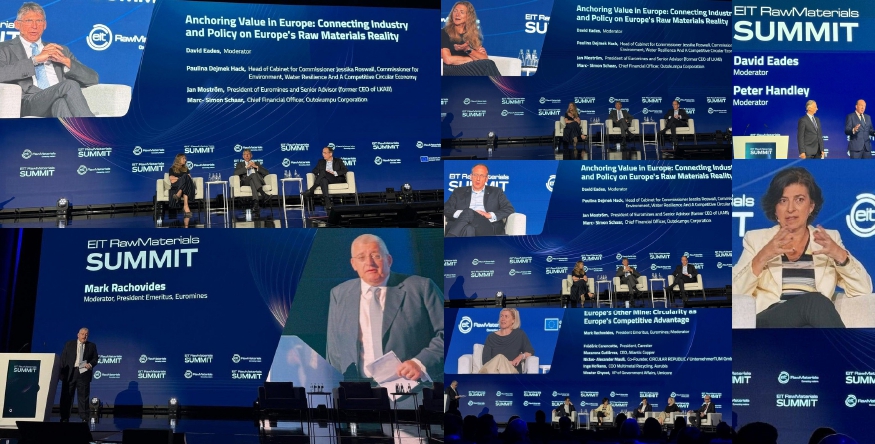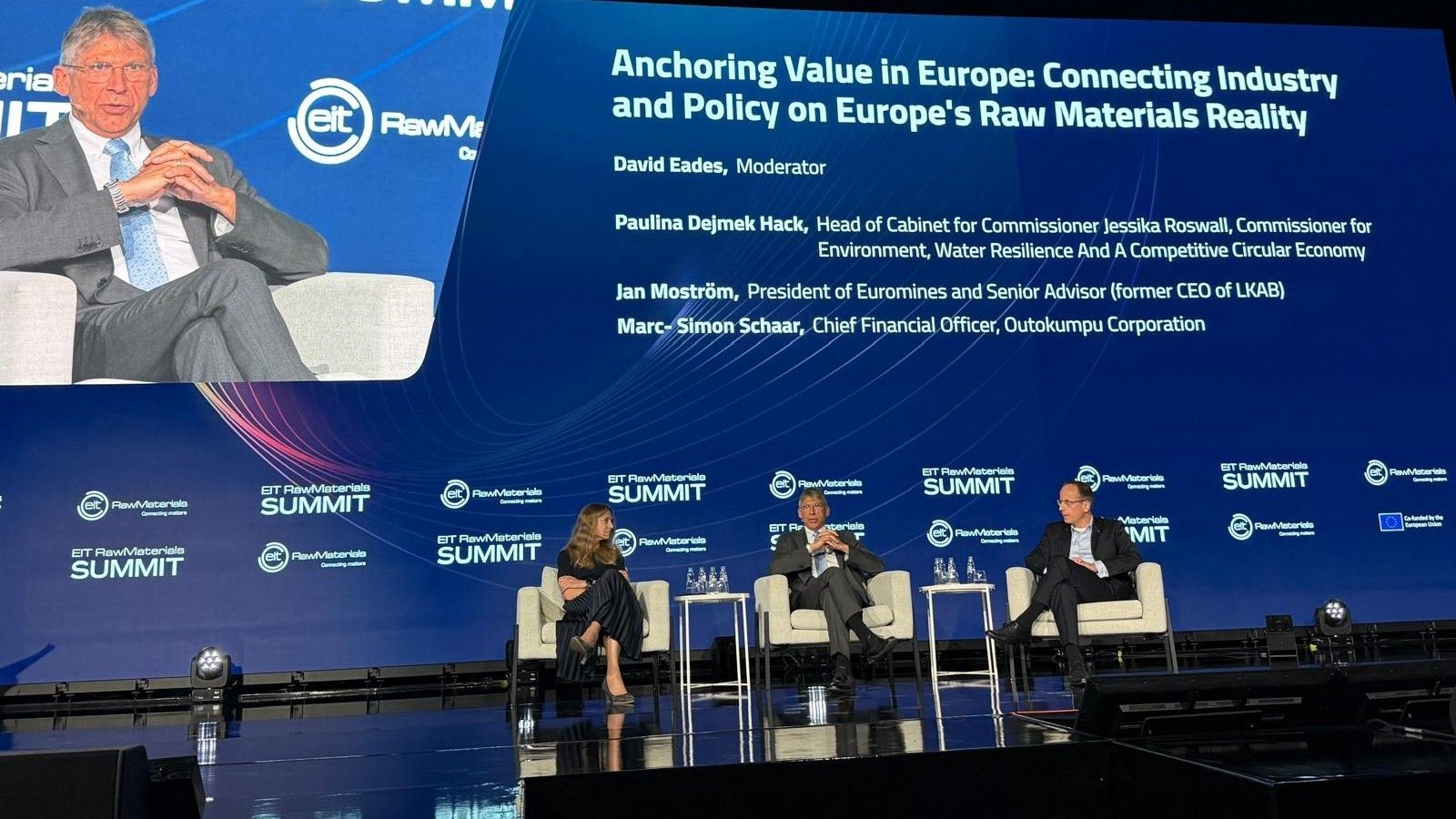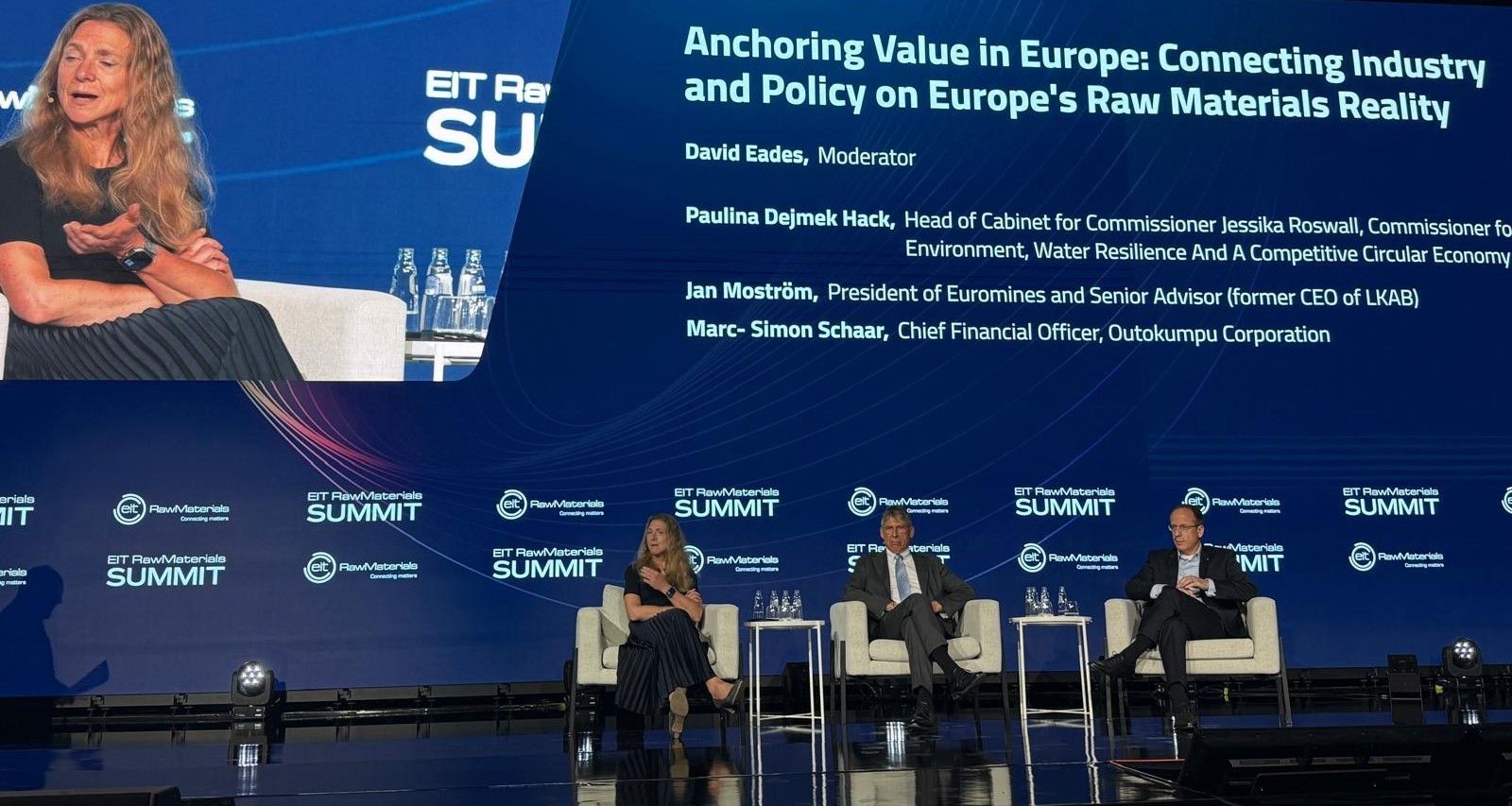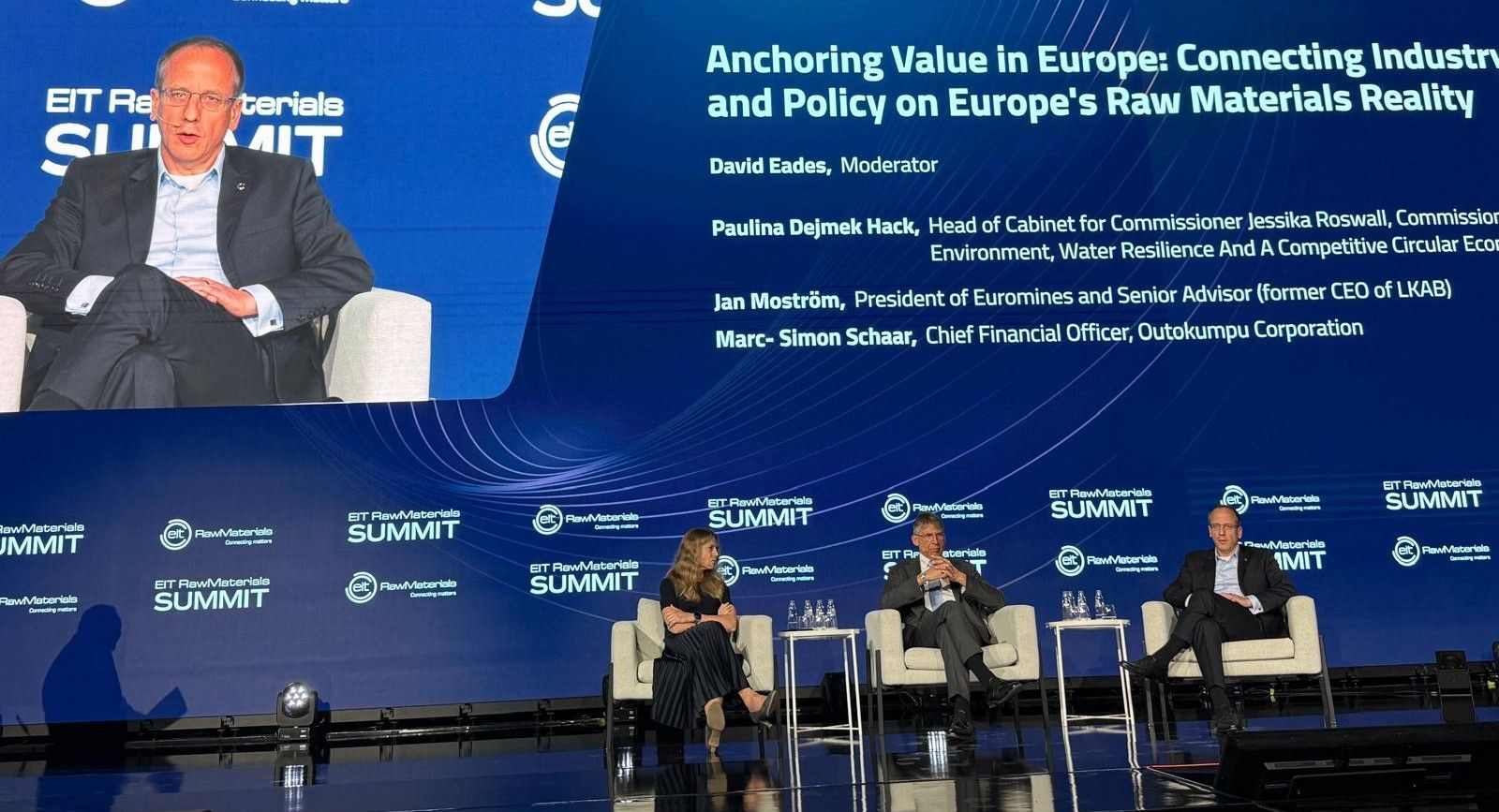
Ukraine Solidarity Statement from the SSDC Extractive Industries

During these times of conflict, the principles of peace, stability, and the protection of human life must remain central to all collective efforts. The war in Ukraine continues to place significant strain on communities and critical sectors, including extractive industries.

On 31 March 2026, the Sectoral Social Dialogue Committee for Extractive Industries issued a statement expressing strong solidarity with workers in Ukraine’s extractive sector, many of whom continue their activities under severe and unpredictable wartime conditions.

These workers demonstrate remarkable resilience in the face of ongoing challenges, including operational disruptions, infrastructure damage, displacement, energy shortages, and direct security risks. The situation highlights the essential role of stable energy supply in ensuring access to basic rights and services, such as healthcare, education, and public safety.

Attacks affecting civilian workers are unequivocally unacceptable. Upholding occupational safety and safeguarding labour rights must remain a priority, even in the most difficult circumstances. This context reinforces the importance of continued dialogue, cooperation, and shared responsibility among stakeholders.

We encourage you to consult the full joint statement and to support efforts that strengthen social dialogue and worker protection in times of crisis.

Mineral Wealth of Northern Greece: Unlocking Europe’s Mining Potential

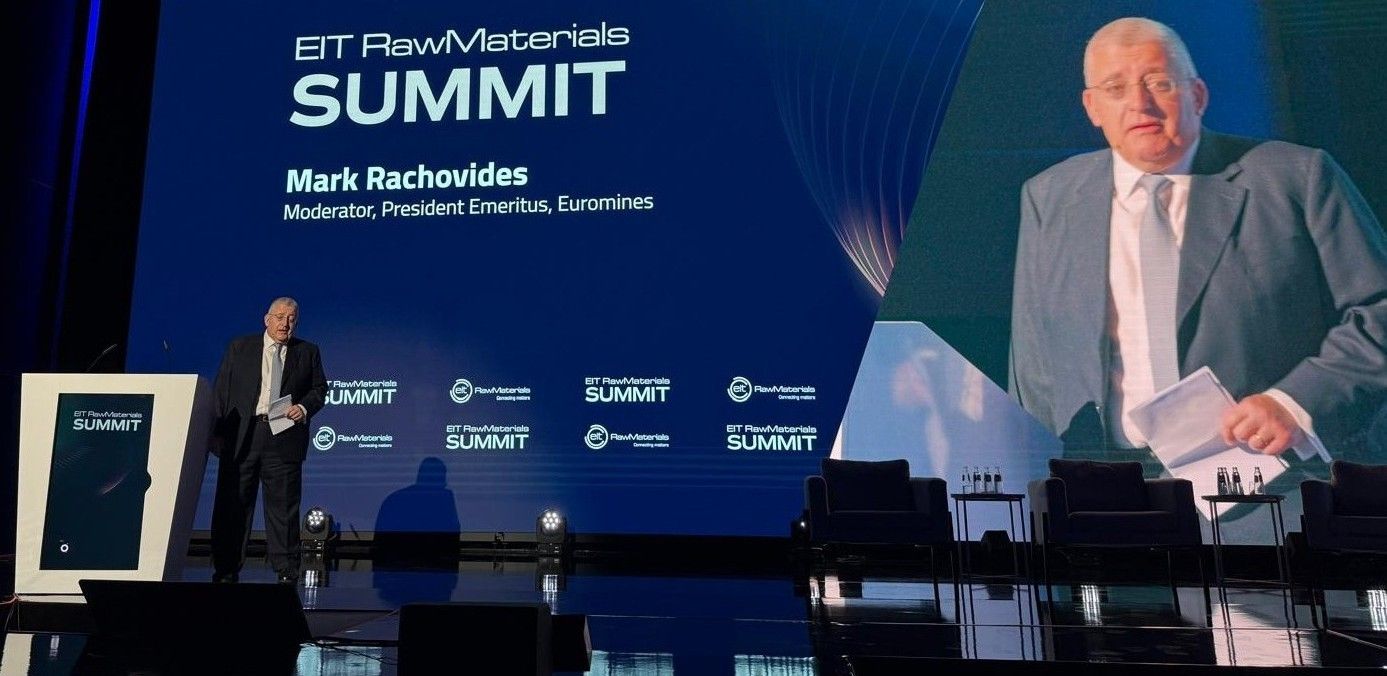
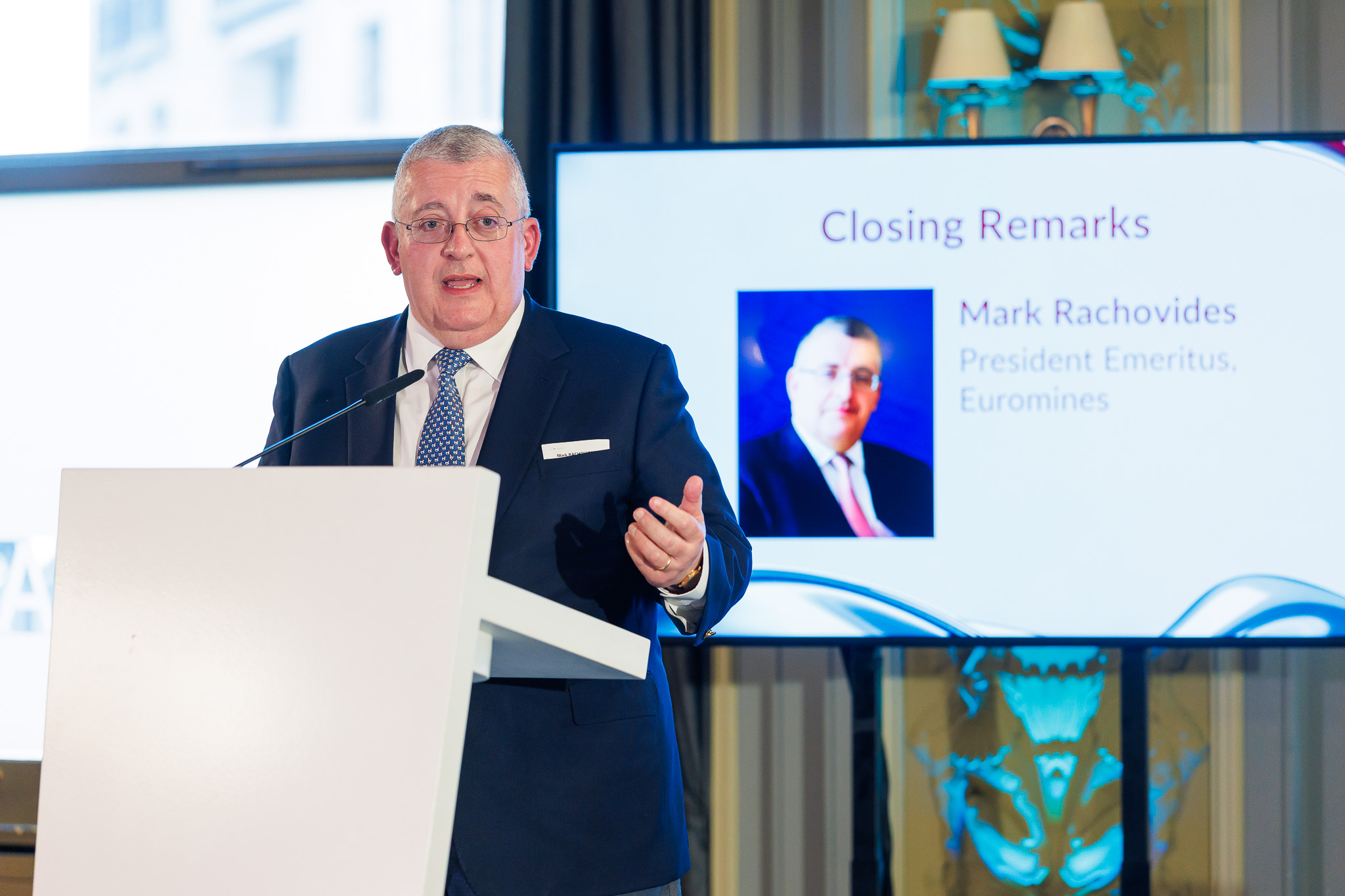
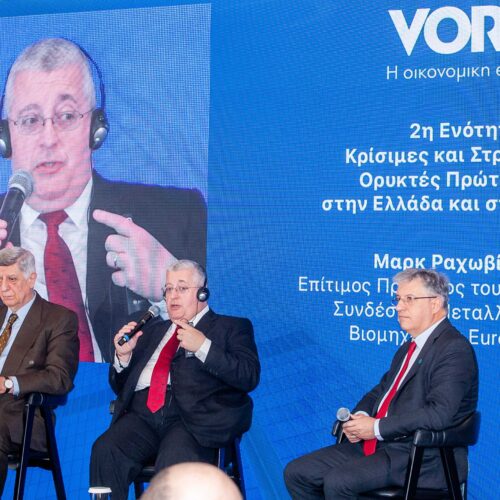
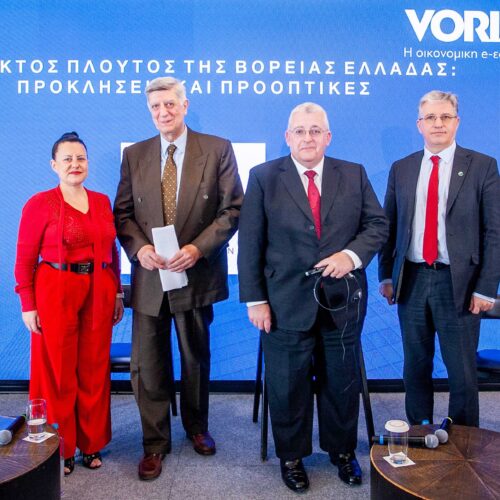
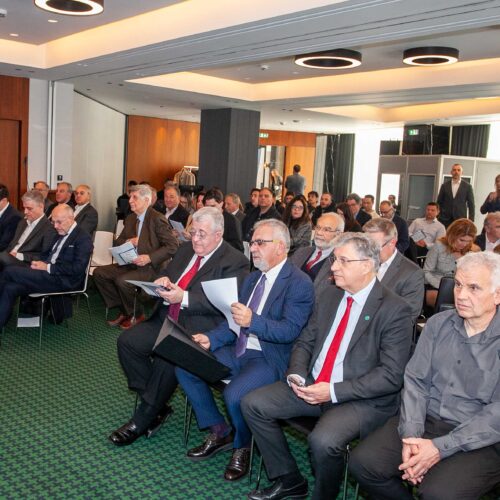
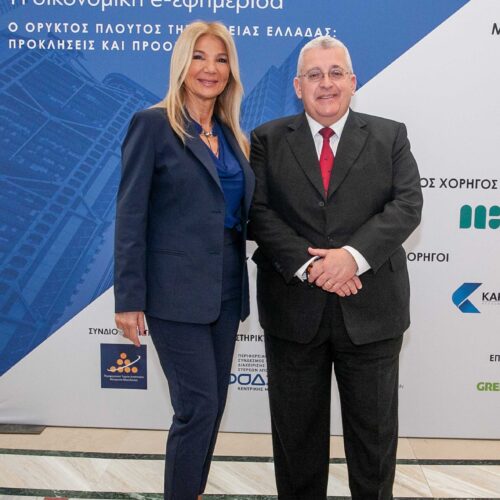
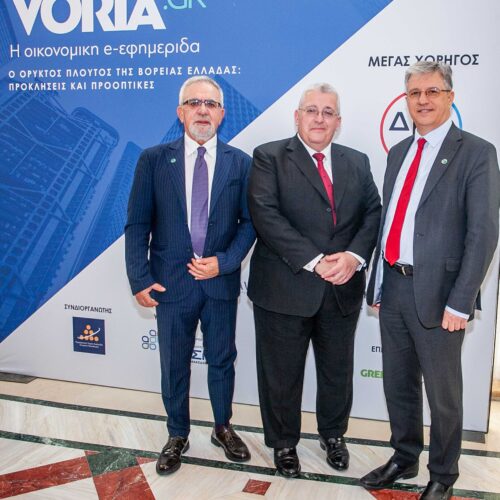
At Mineral Wealth of Northern Greece: Challenges & Prospects, organised by Voria.Gr, on 30 March 2026, Mark Rachovides, President Emeritus of Euromines, participated in a panel on Critical and Strategic Mineral Raw Materials in Greece and Europe.

Industry leaders and experts discussed how Europe can harness its mineral resources to strengthen supply chains, accelerate the energy transition, and enhance strategic autonomy.

Read Voria’s article here.

First Industrial Forum Plenary Meeting: Resilience in Europe’s Mining and Recycling

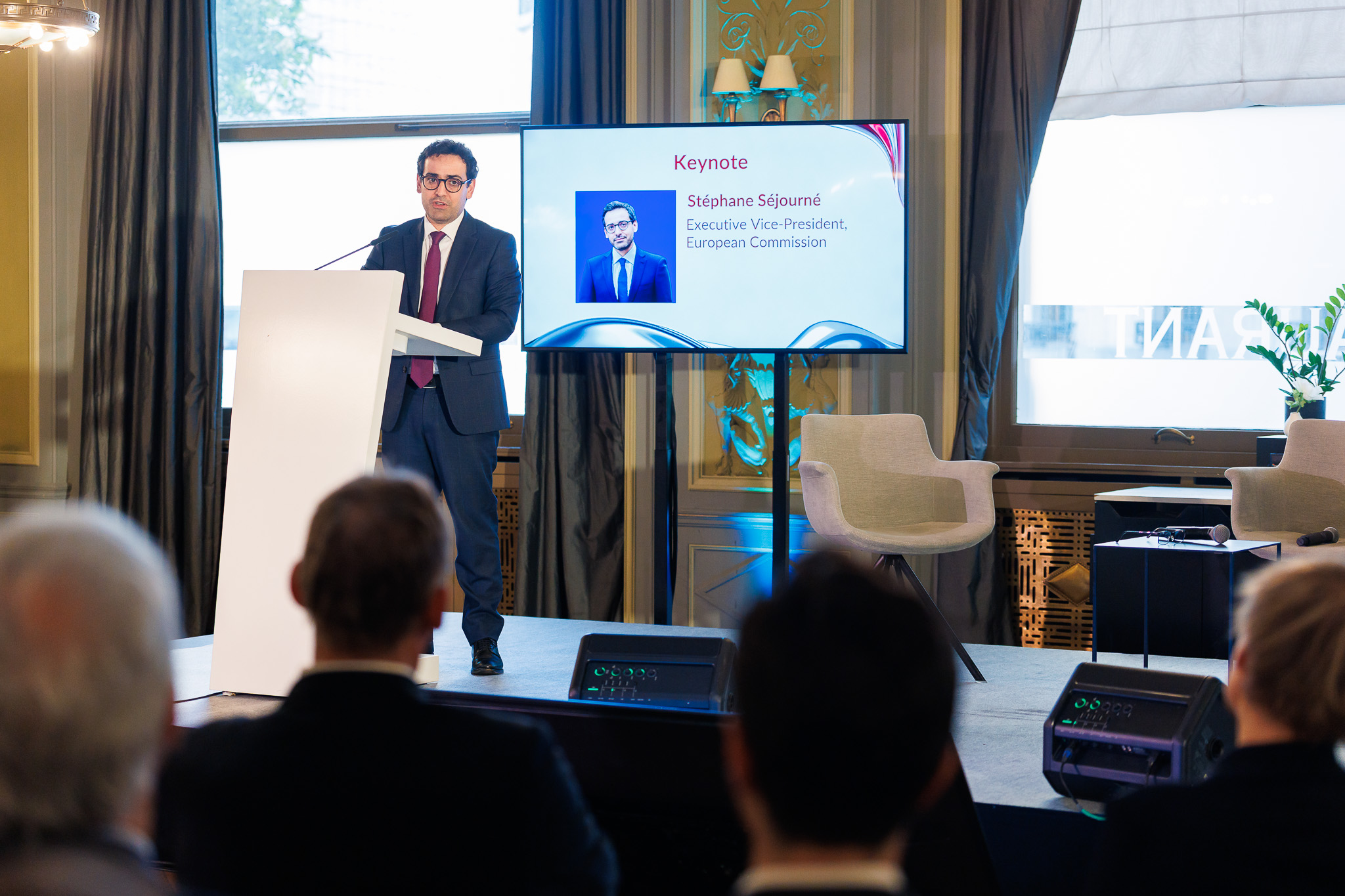
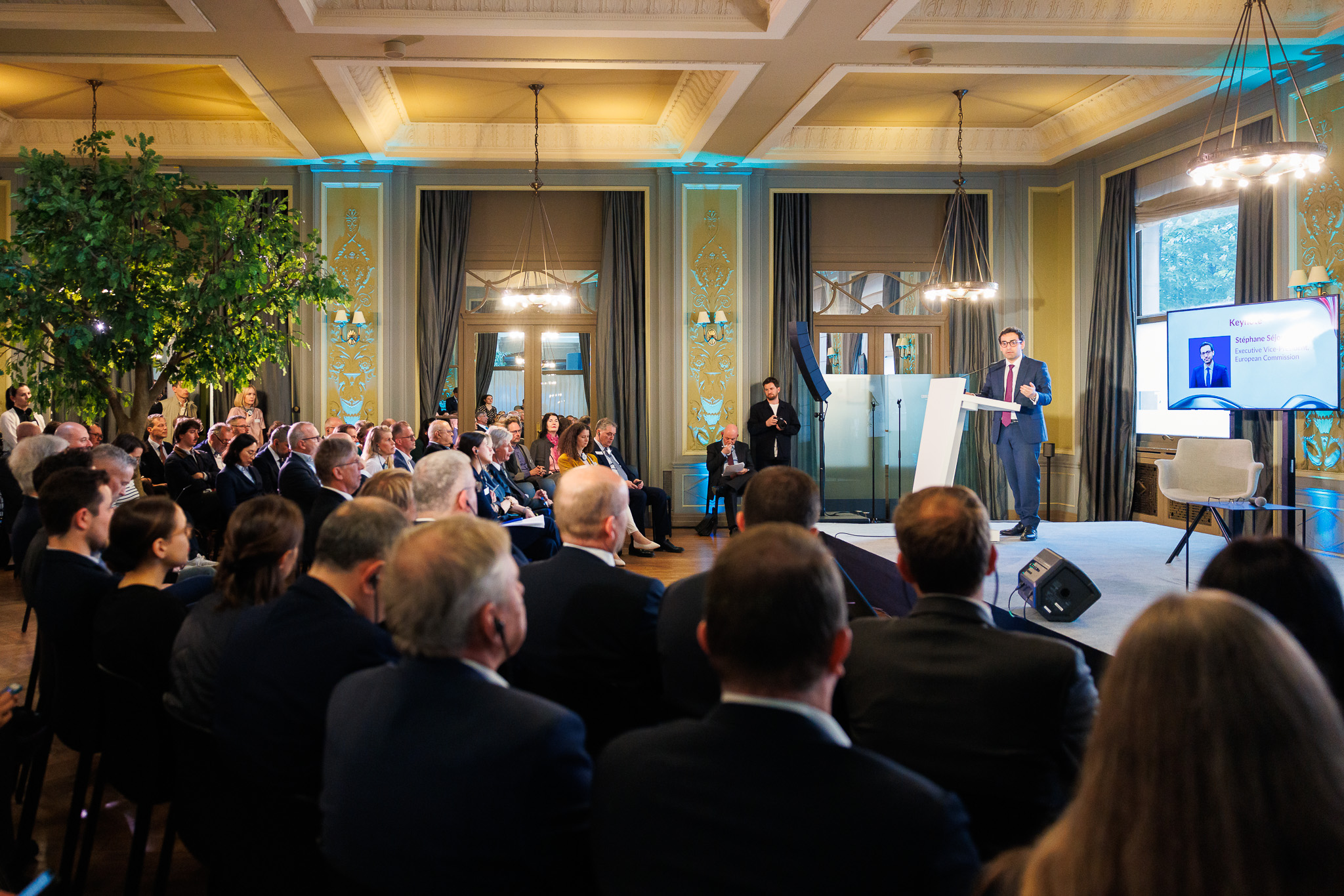
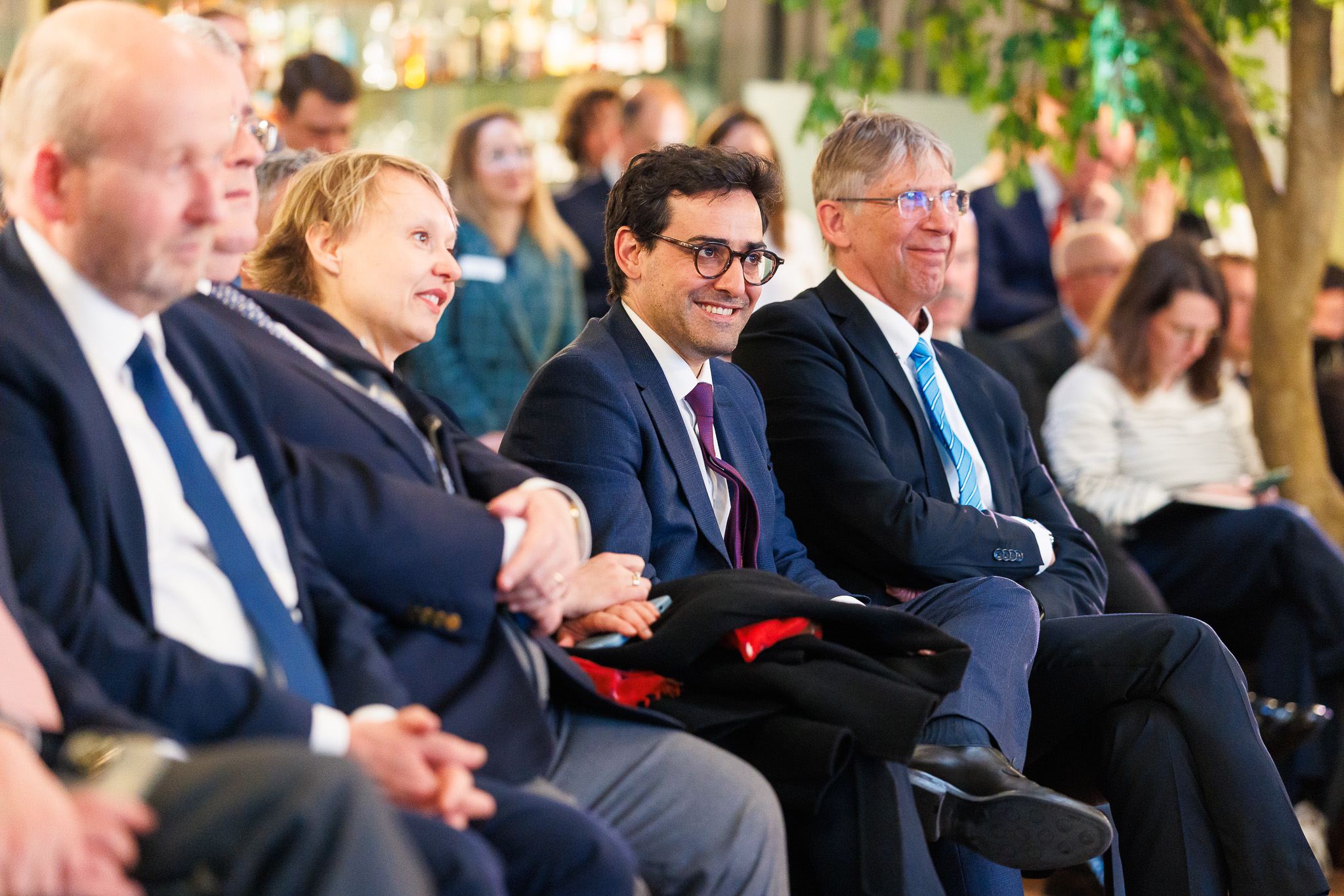
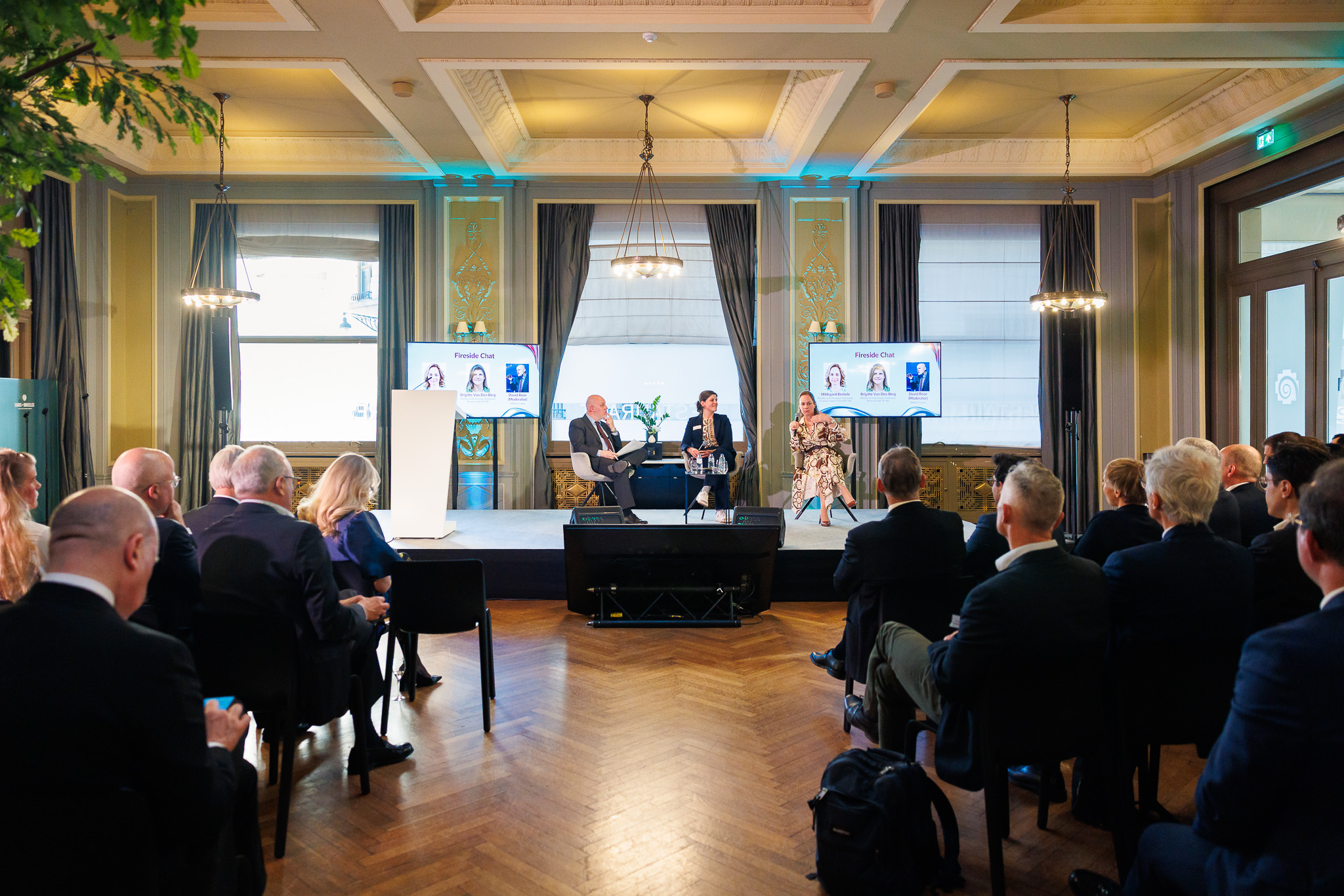
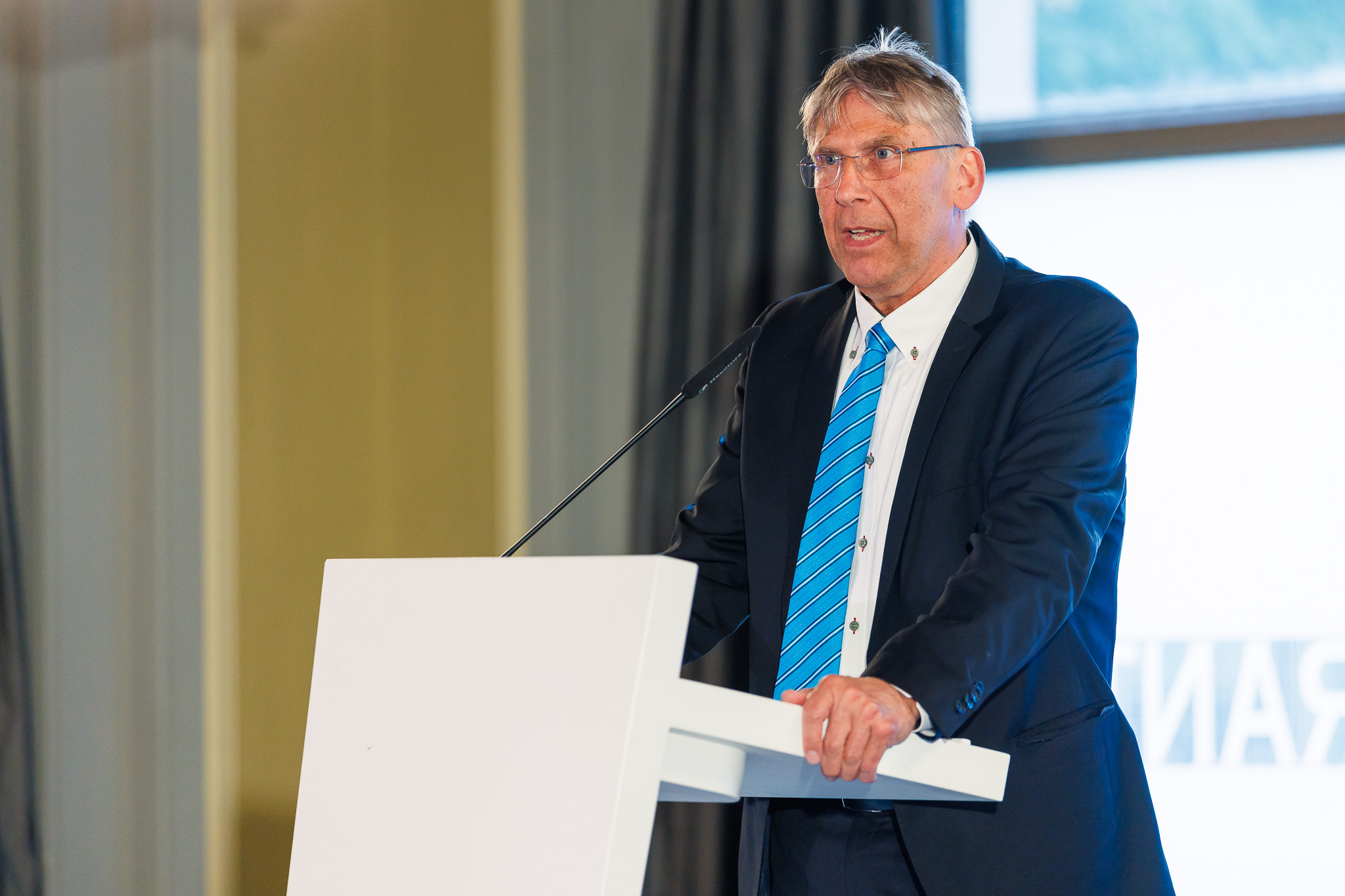
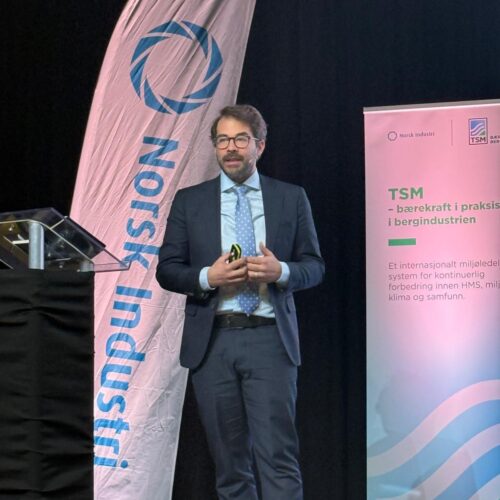
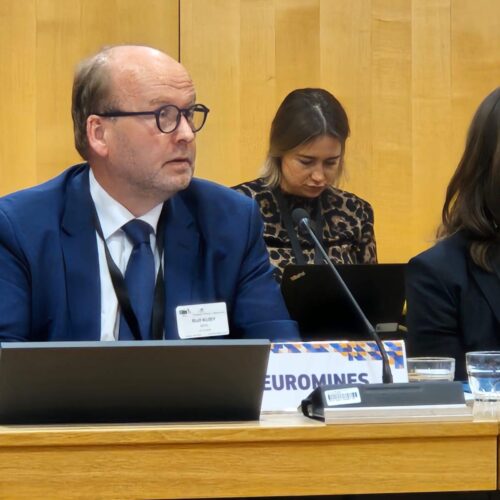
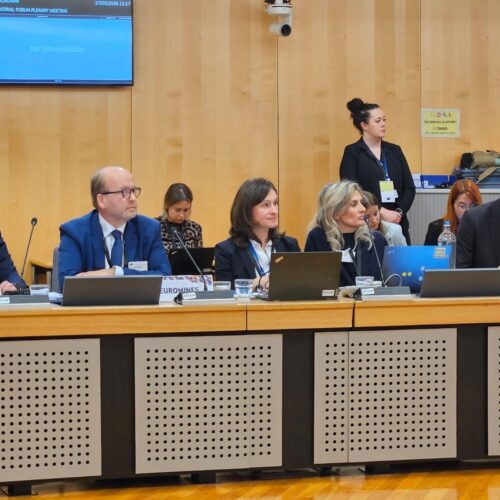
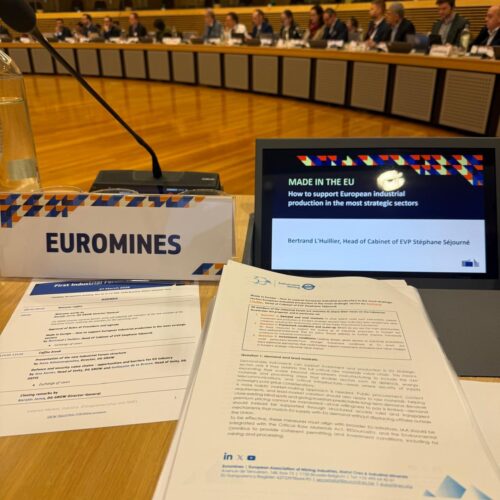
On 27 March 2026, Rolf Kuby, Director General of Euromines, participated in the First Industrial Forum Plenary Meeting, hosted by DG GROW at the European Commission. The forum brought together industry leaders, policymakers, and social and environmental partners to shape Europe’s industrial future.

Building on these discussions, resilience requires more than securing raw materials; it demands a holistic approach across the entire value chain. From mining to recycling, Europe must ensure long-term supply security, sustainable production, and stable demand, aligning policy with real industrial projects.

Key Takeaways:

Framework Conditions and Scale-Up

Europe’s industrial potential relies on efficient legal licenses and permitting. Current delays in mining projects, sometimes 10–15 years, and restrictive regulatory frameworks threaten the resilience of strategic value chains. Policies like the Industrial Accelerator Act (IAA), RESourceEU, and the Critical Raw Materials Act (CRMA) must work together to strengthen critical raw materials supply chains, meeting Europe’s needs from electrification to defense.

Strengthening Demand for EU Raw Materials

The European Commission’s Industrial Accelerator Act (IAA) currently addresses only a limited part of the industrial ecosystem. A comprehensive approach should cover the full value chain, including the mining of key raw materials.

A CEPS (Centre for European Policy Studies) study highlights effective policy tools to support this, such as:

  • Linking local content to public procurement
  • Setting rules of origin in free trade agreements (FTAs)
  • Establishing minimum standards for market access
  • Using mechanisms like floor prices or stockpiling with off-take guarantees to provide investment certainty

Read the CEPS study here.

Investment Conditions and Security of Supply

Securing cost-competitive, long-term access to raw materials is critical. Security of supply depends not only on sources but also on stable European demand. Clear sourcing strategies, policy certainty, and investment frameworks are essential for a resilient raw materials sector.

Foresightful Approach to Supply Crises

Europe must translate policy into concrete projects across the ecosystem, from mining to recycling, to support mobility, electrification, digitalization, and defense goals.

European Commission Speakers at the Forum

  • Kerstin Jorna, Director General, DG GROW
  • Bertrand L’Huillier, Head of Cabinet of Executive Vice-President Stéphane Séjourné
  • Anna Athanasopoulou, Director Simplification & Networks, DG GROW
  • Ana Xavier, Head of Unit Machinery, Equipment & AI, DG GROW
  • Guillaume de La Brosse, Head of Unit Defence Policy & Innovation, DG DEFIS

Member Spotlight: AMINER publishes its first annual Socioeconomic Report

AMINER Infographic

AMINER: Leading Sustainable and Strategic Mining in Spain

A Major Milestone: The Sector’s First Socioeconomic Report

As part of its fifteenth anniversary celebrations, the Spanish Association of metal mining (AMINER) has reached a fundamental milestone: the publication of its first annual Socioeconomic Report. This pioneering document represents an unprecedented effort to measure and demonstrate the value that metal mining brings to society, the economy, and local communities. For AMINER, this report is an essential transparency tool for managing strategic decisions and effectively communicating how member companies act as agents of development across the regions in which they operate.

Industry Impact: Sustainability and European Strategic Autonomy

AMINER’s work strengthens the role of mining as a strategic sector embedded in everyday life—from mobile devices and transportation to healthcare and technological innovation. We supply critical raw materials that are essential to the energy transition and digital transformation, both key pillars of the European agenda and the Sustainable Development Goals.

Through a far-reaching transformation, AMINER promotes a modern industry grounded in innovation and environmental responsibility. By reinforcing and completing the national production value chain, we contribute directly to Europe’s strategic autonomy, reducing dependence on third countries and ensuring a responsible and secure supply of resources.

The Value of the Euromines Network and a Forward-Looking Vision

As members of Euromines, we share the vision of a strong and unified European mining industry. Being part of this network has been essential in aligning our national objectives with the Sustainable Development Goals (SDGs) and the strategic priorities of the European Union.
Looking ahead, AMINER’s priority is to continue pushing the auxiliary industry forward and to consolidate Spain’s role on the global metal mining map. Our ambition is clear: to lead ongoing dialogue with public authorities and institutions to ensure that the sector remains a key driver of economic prosperity and societal well-being in the 21st century.

“Modern mining is a sustainable and innovative industry that prioritizes technological development and respect for the environment.” – Enrique Delgado, President of AMINER

Euromines Policy Breakfast: RESourceEU, IAA & Simplification

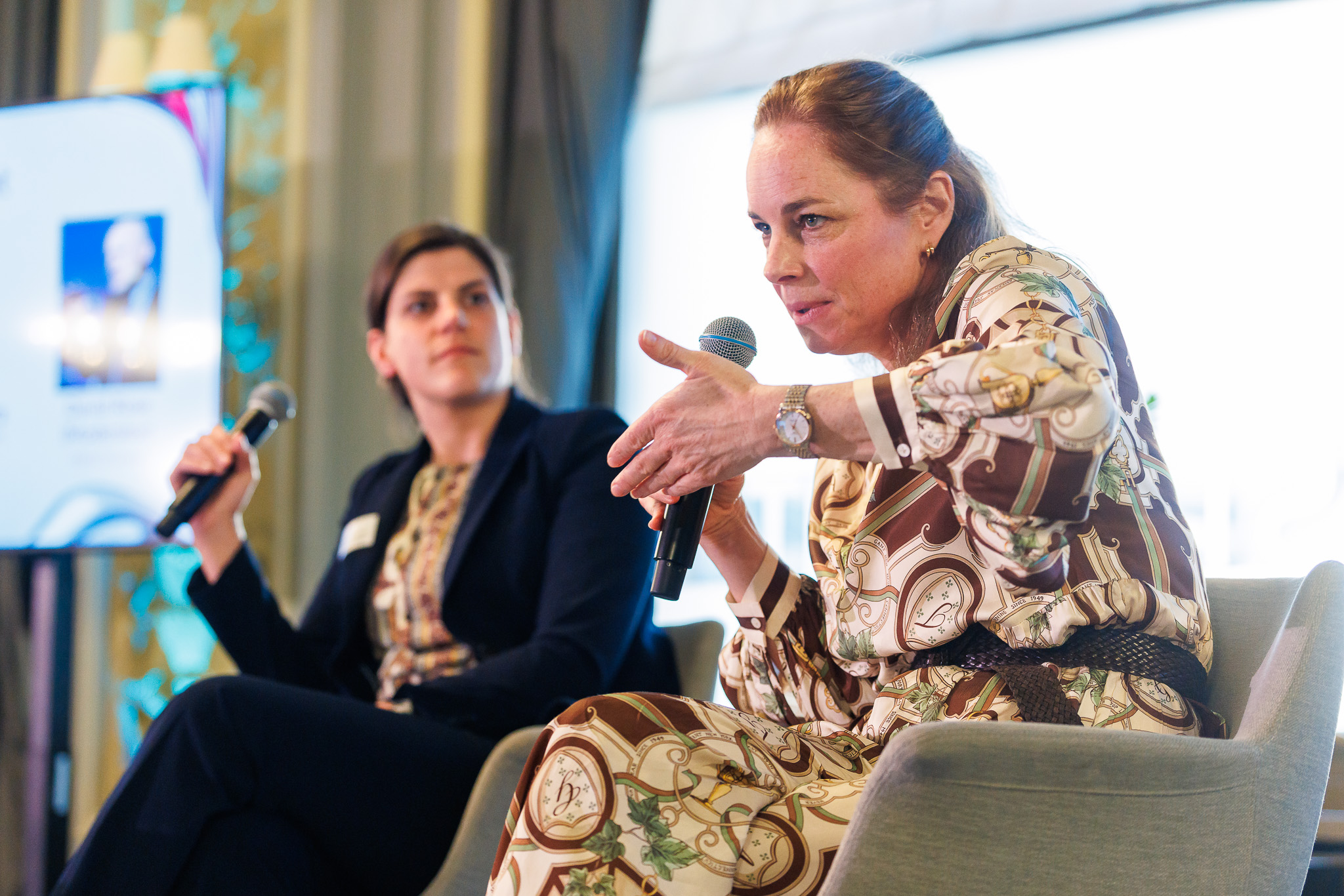
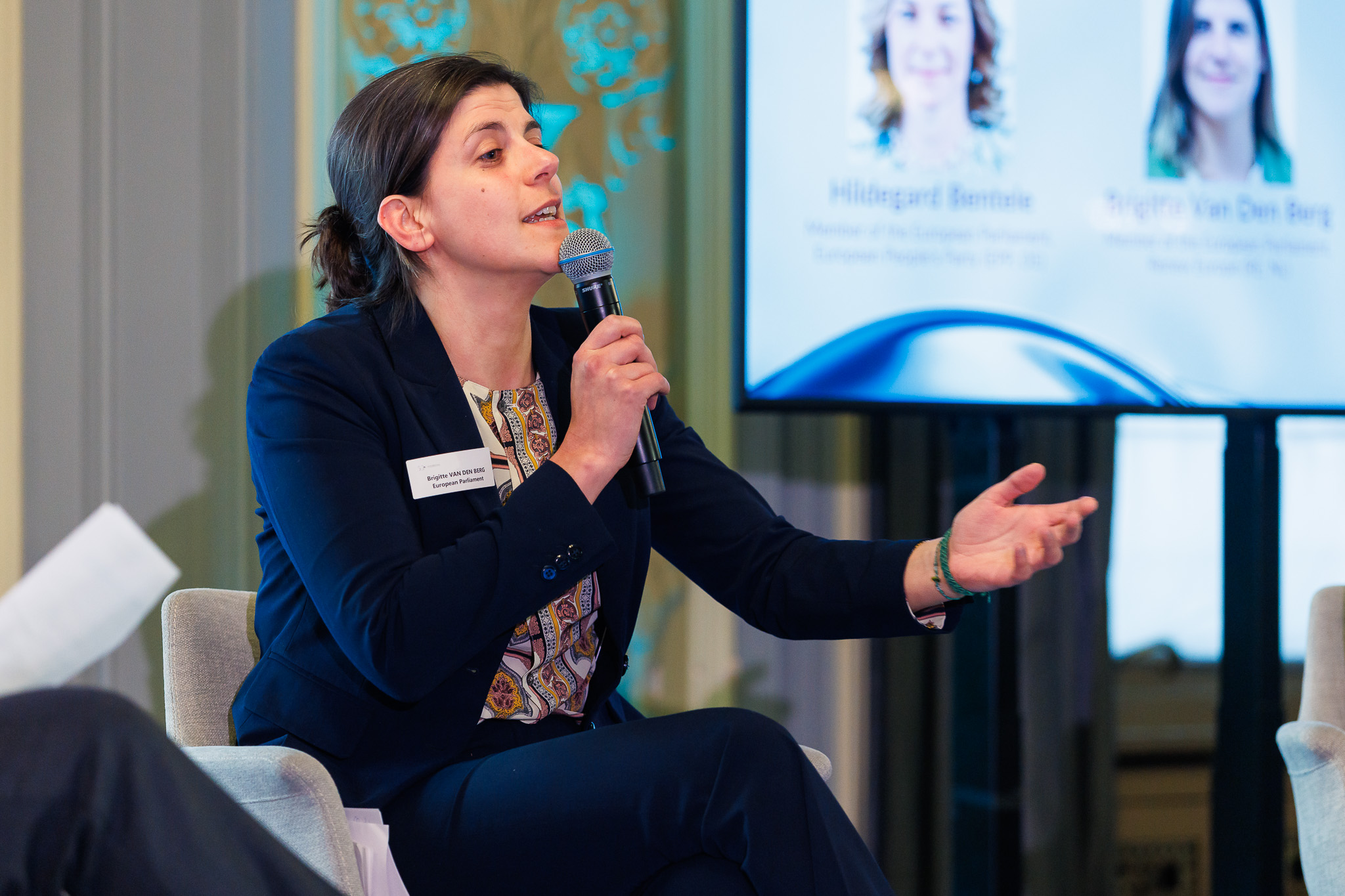
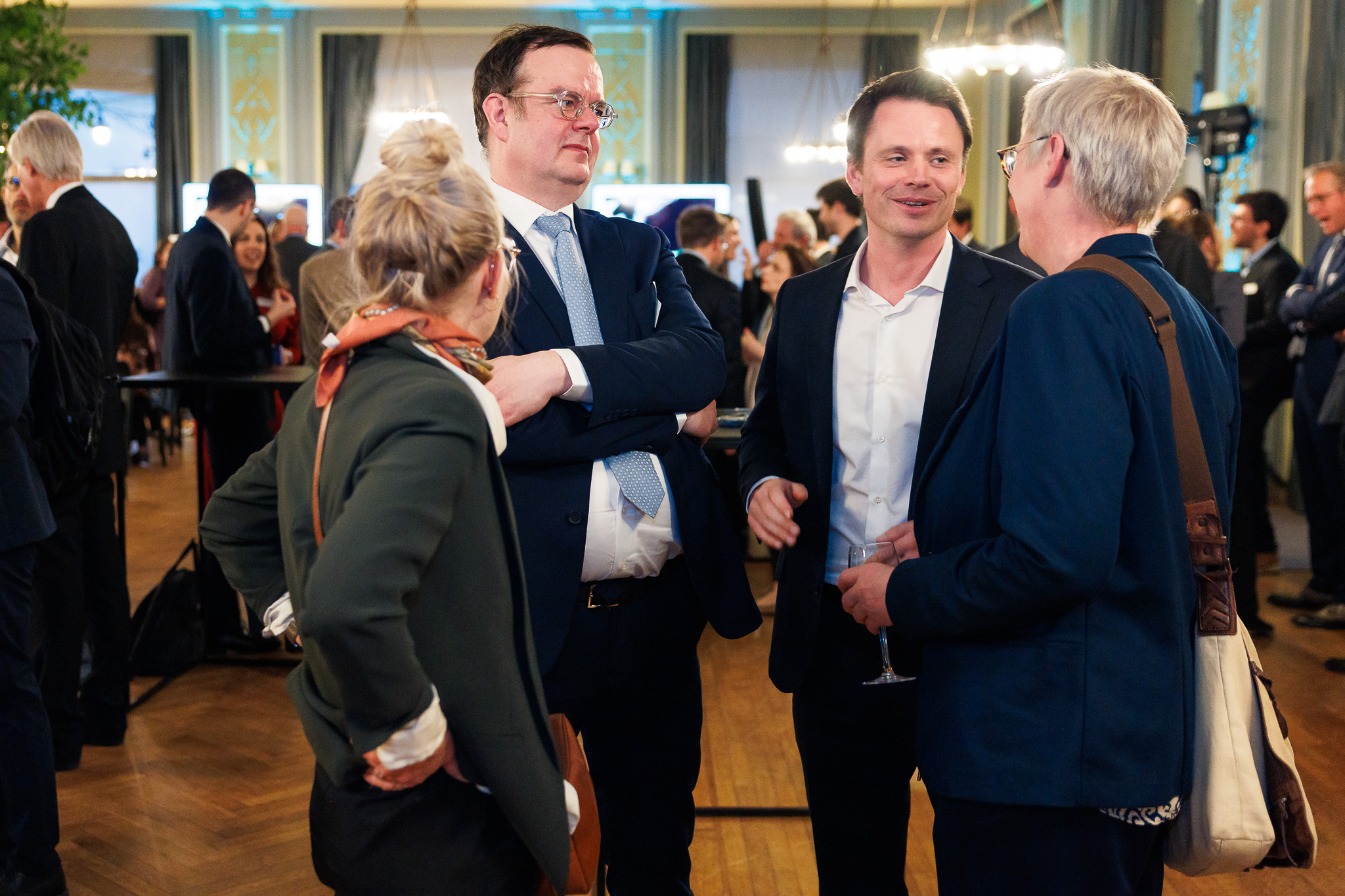
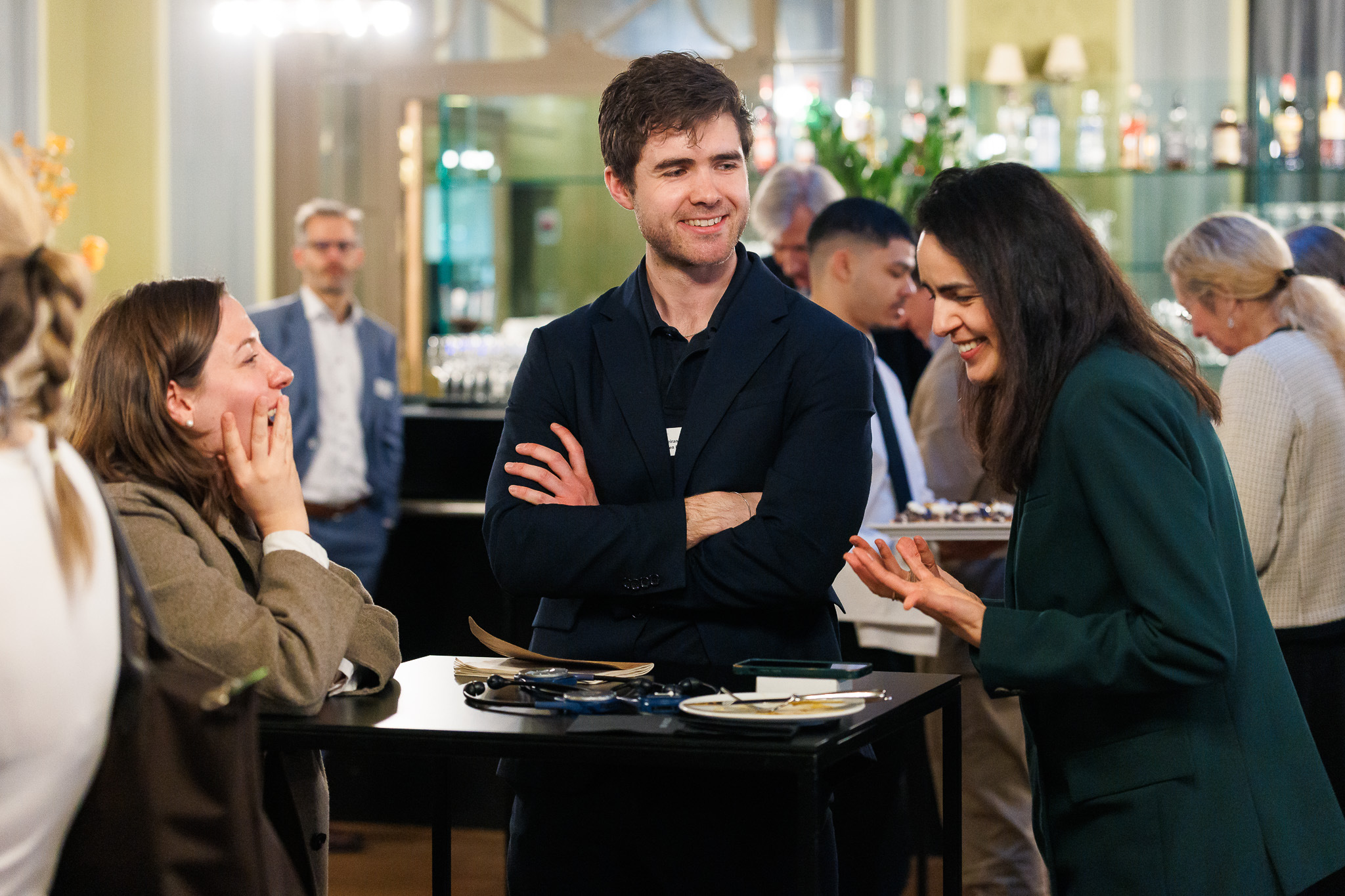
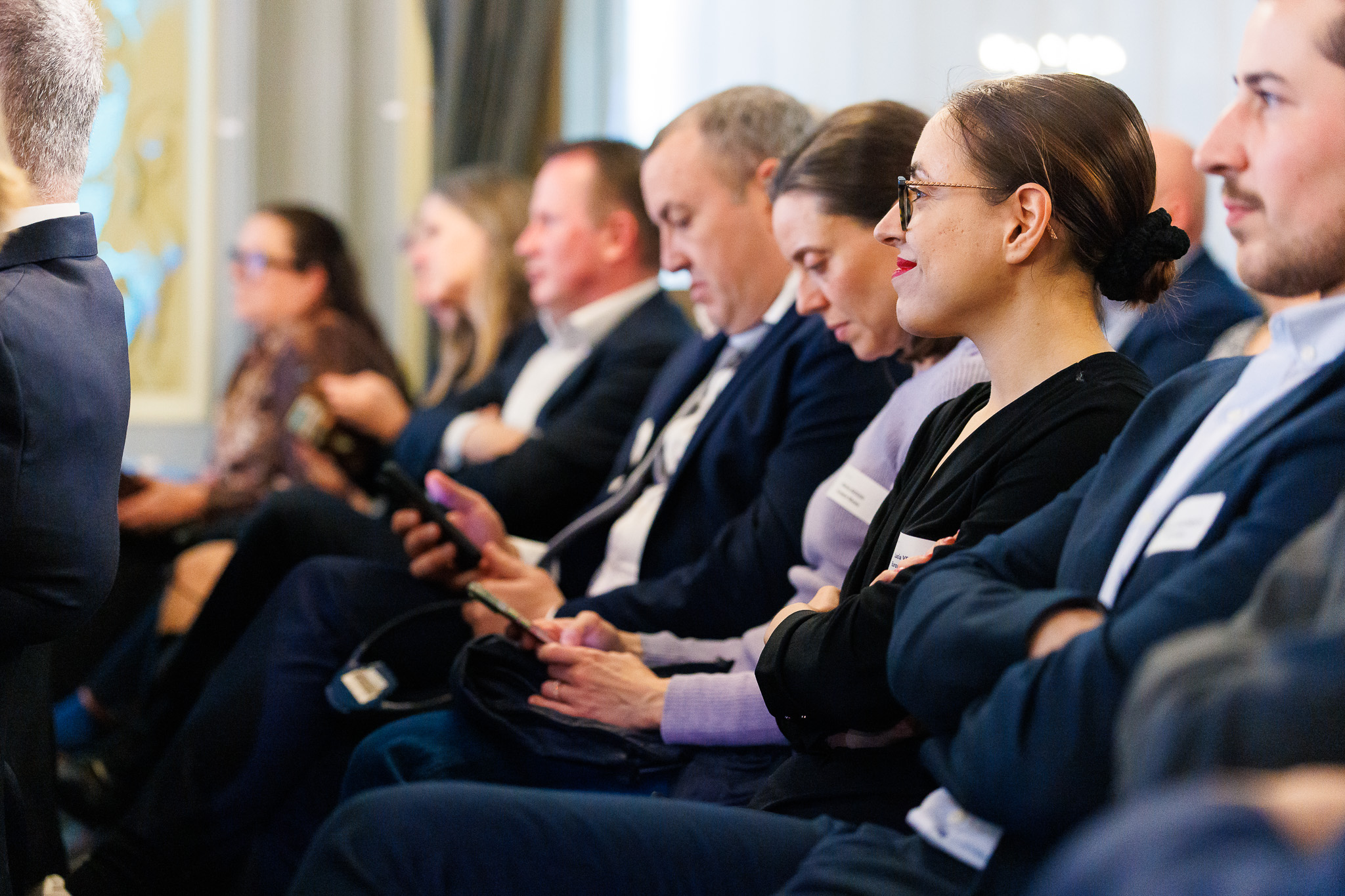
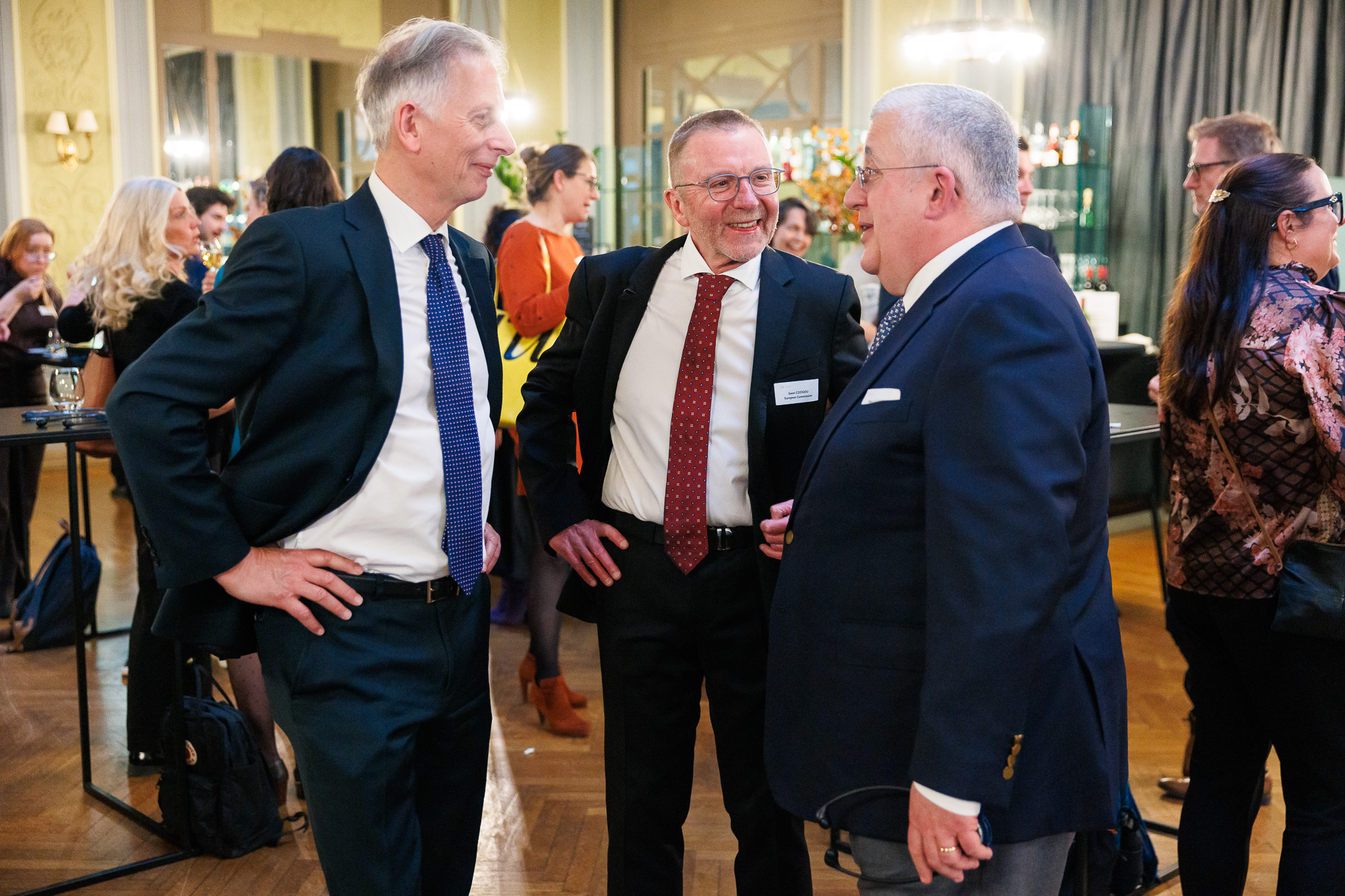
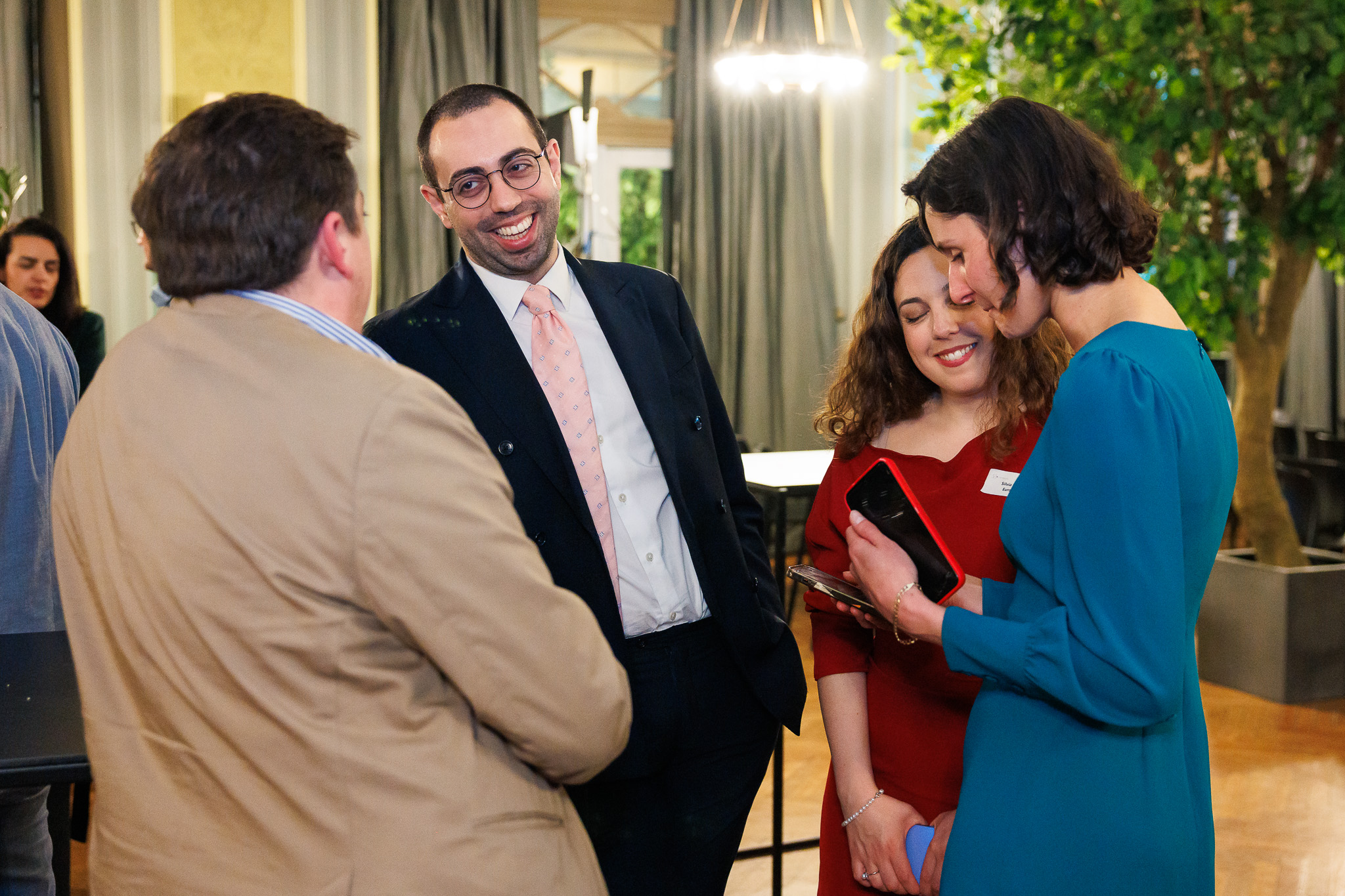
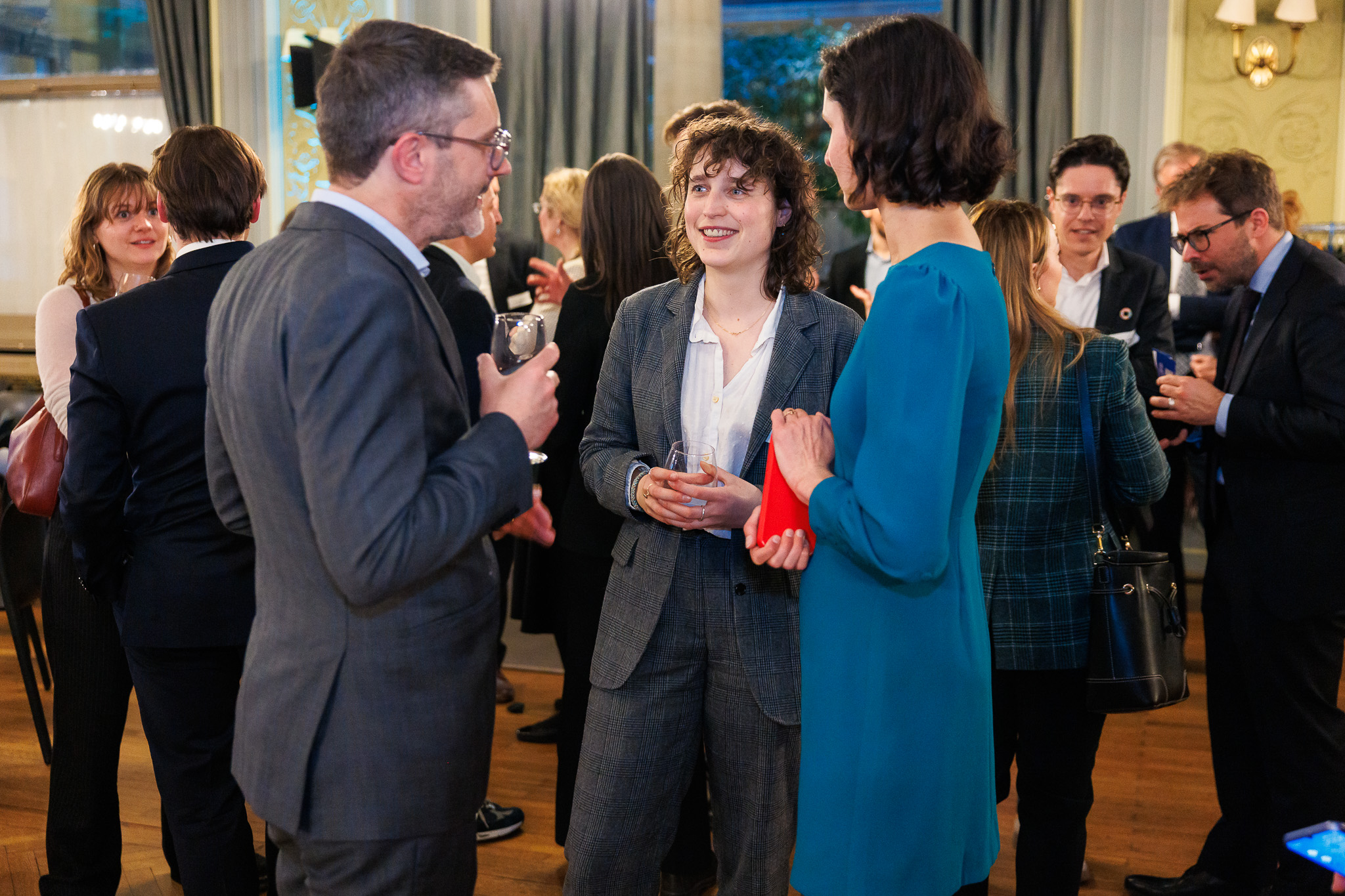
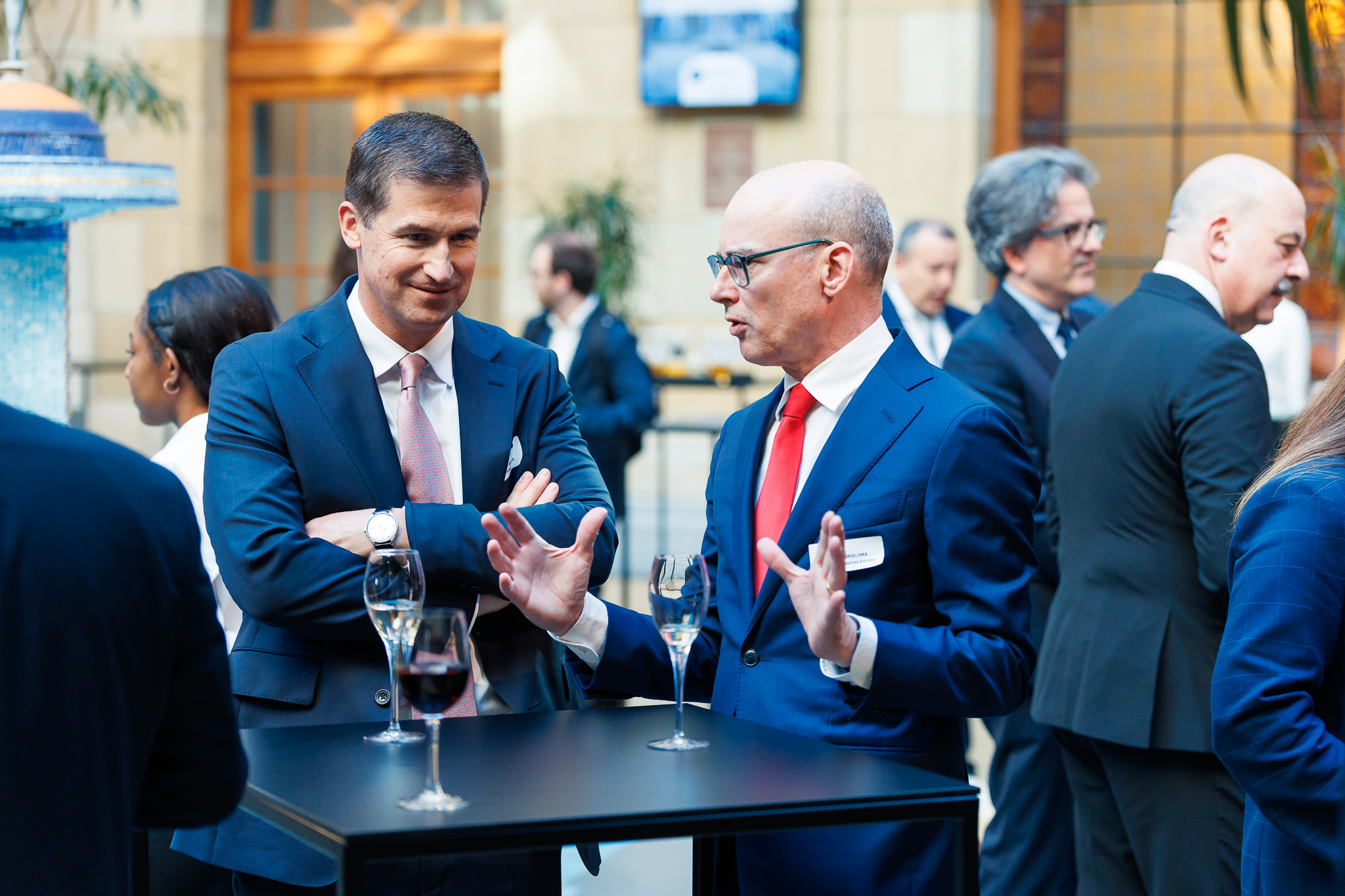
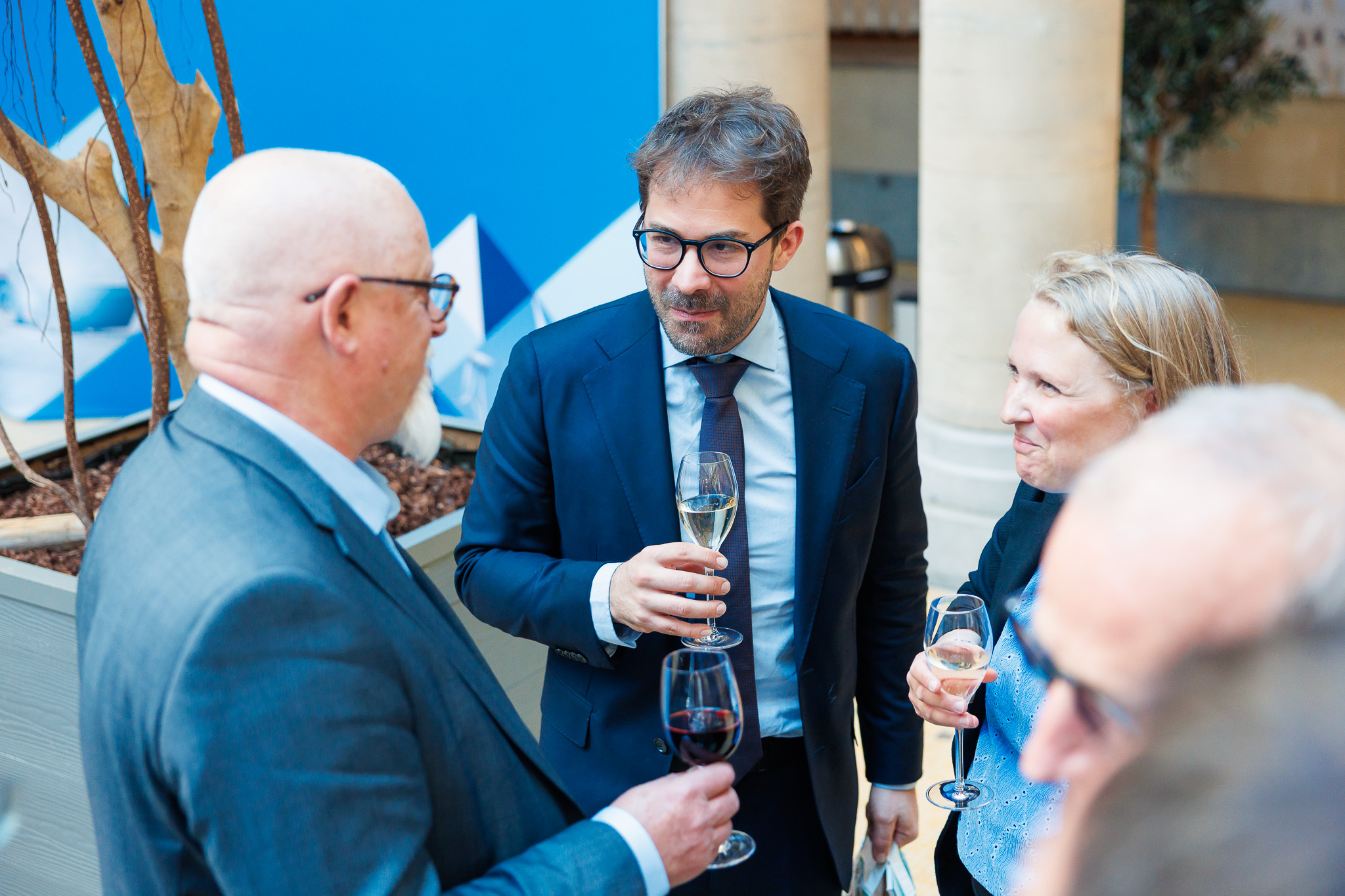
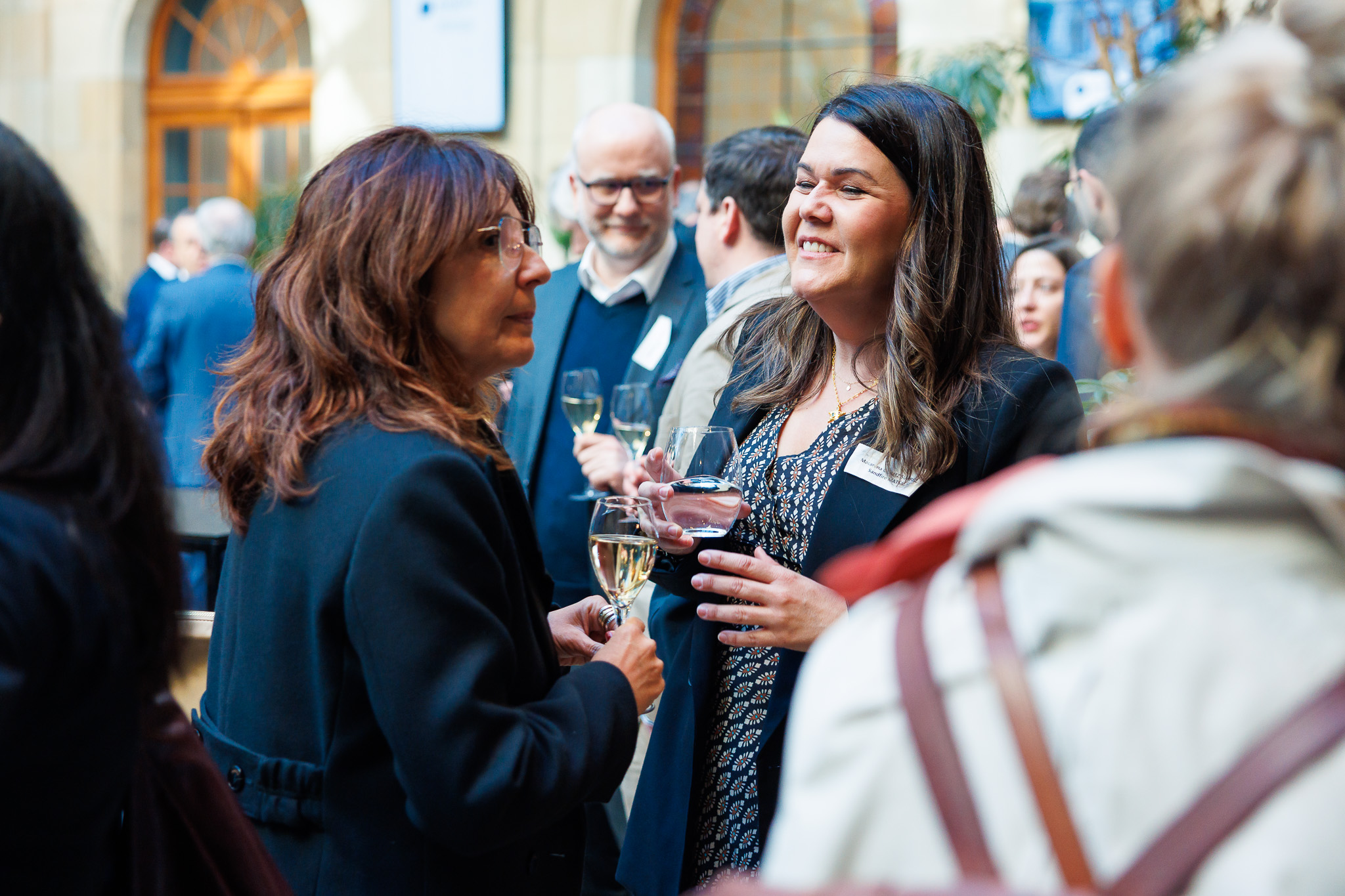
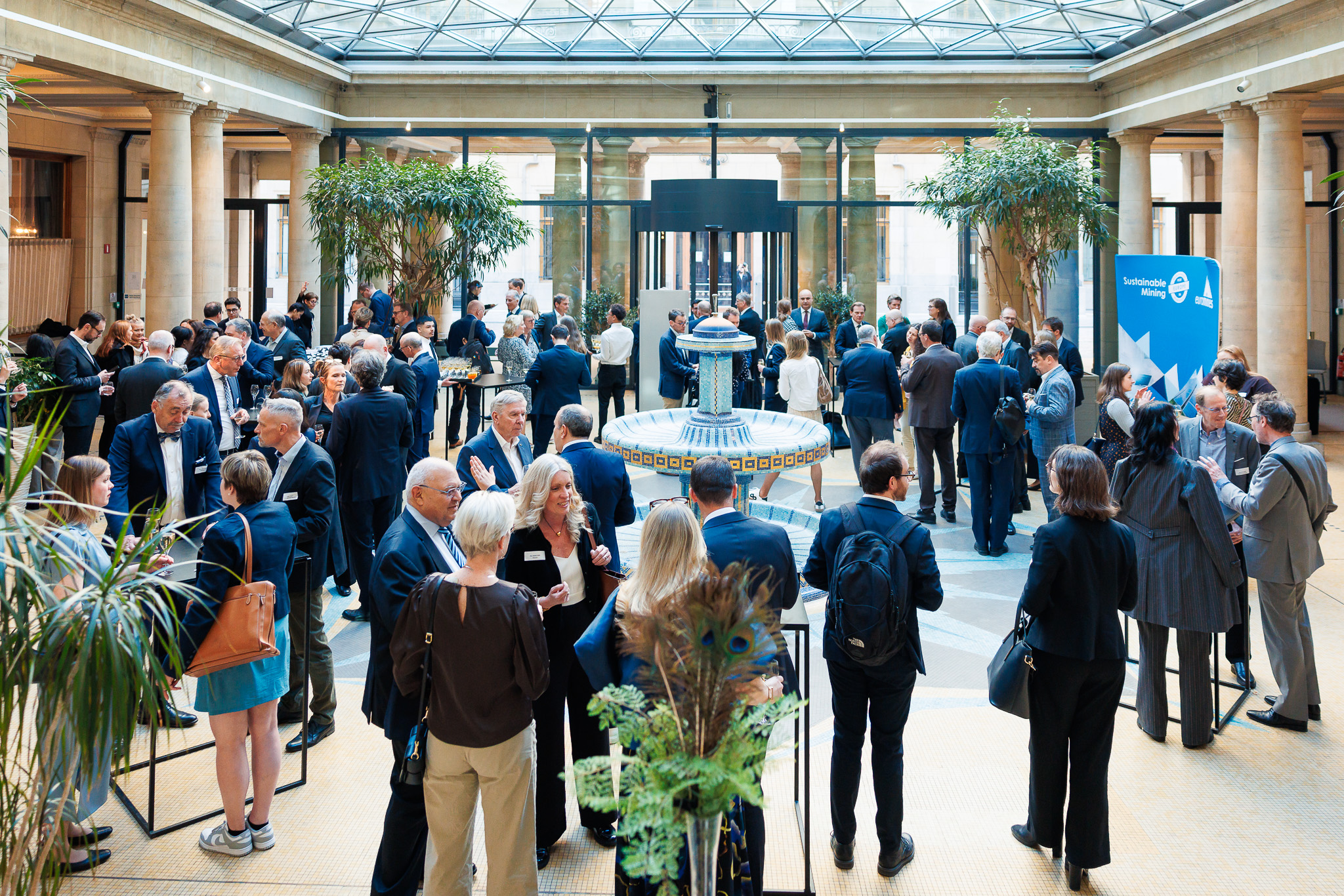
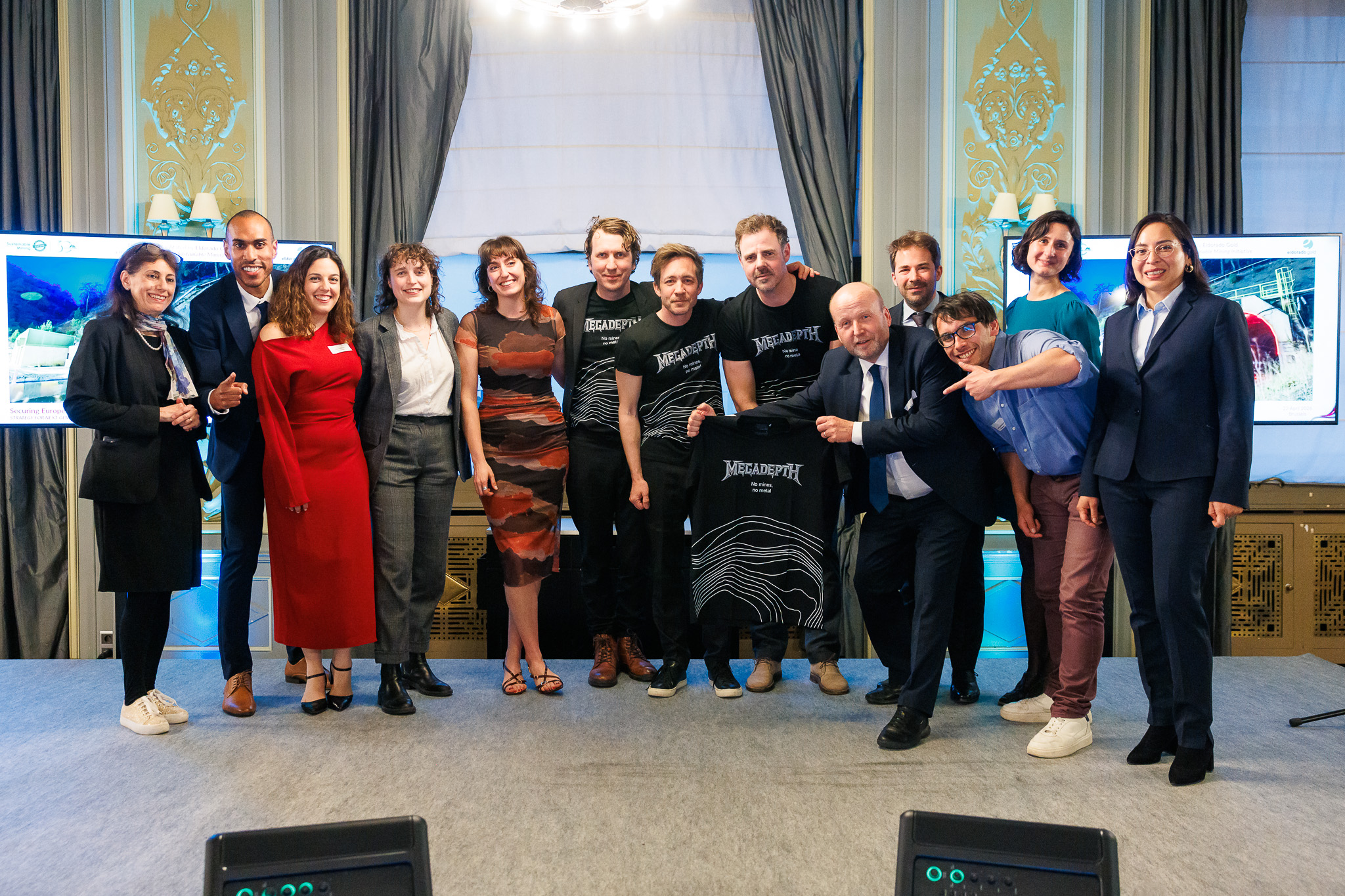
On 26 March 2026, Euromines gathered at the European Parliament for our Policy Breakfast on “RESourceEU, IAA & Simplification: Designing a Clear Permitting Pathway for Europe”, hosted by MEP Radan Kanev (EPP, BG).

This high-level event brought together distinguished Members of the European Parliament from the Socialists & Democrats Group, Renew Europe, EPP Group, and The Greens/EFA, alongside key industry stakeholders and European Commission policymakers, to discuss Europe’s permitting framework and the future of critical raw materials.
Key Takeaways:

1. Clear and Predictable Permitting Pathways are Essential

The discussion highlighted that transparent permitting processes are central to scaling Europe’s raw materials value chains. Delays and regulatory uncertainty at the mining stage risk undermining investment confidence. Policymakers and industry leaders explored how the EU legislative framework can foster a viable business case for European raw materials value chains.
2. Strengthening Europe’s Autonomy and Raw Materials Supply Chains

Policymakers emphasised the EU’s strategic objective of reinforcing supply chain autonomy. The Industrial Accelerator Act (IAA) is designed to boost this effort, enhance European competitiveness, and secure critical raw materials for Europe’s industries.

Speakers

We extend our gratitude to the speakers who shared valuable insights:

Regulatory Clarity as a Driver for Investment

The conversation reinforced that regulatory clarity and aligned investment policies will be decisive if Europe is to achieve its raw materials ambitions. Clear permitting pathways, supportive legislation, and strategic initiatives like the Industrial Accelerator Act are key to building a sustainable, competitive, and autonomous European raw materials sector.
World Water Day 2026: Sustainable Water Management in European Mining

Celebrating World Water Day 2026, Euromines highlights how our members are advancing sustainable water management. From recycling systems and treatment technologies to operational improvements and awareness programmes, these initiatives protect water resources and support long-term environmental and community sustainability.

Water is essential for mining operations and the communities around them. Strengthening sustainable water management helps minimise environmental impacts, protect local water resources, and ensure the long-term viability of mining activities.

Explore how our members are driving sustainable water management below.

Boliden AB - Sustainable Water Management

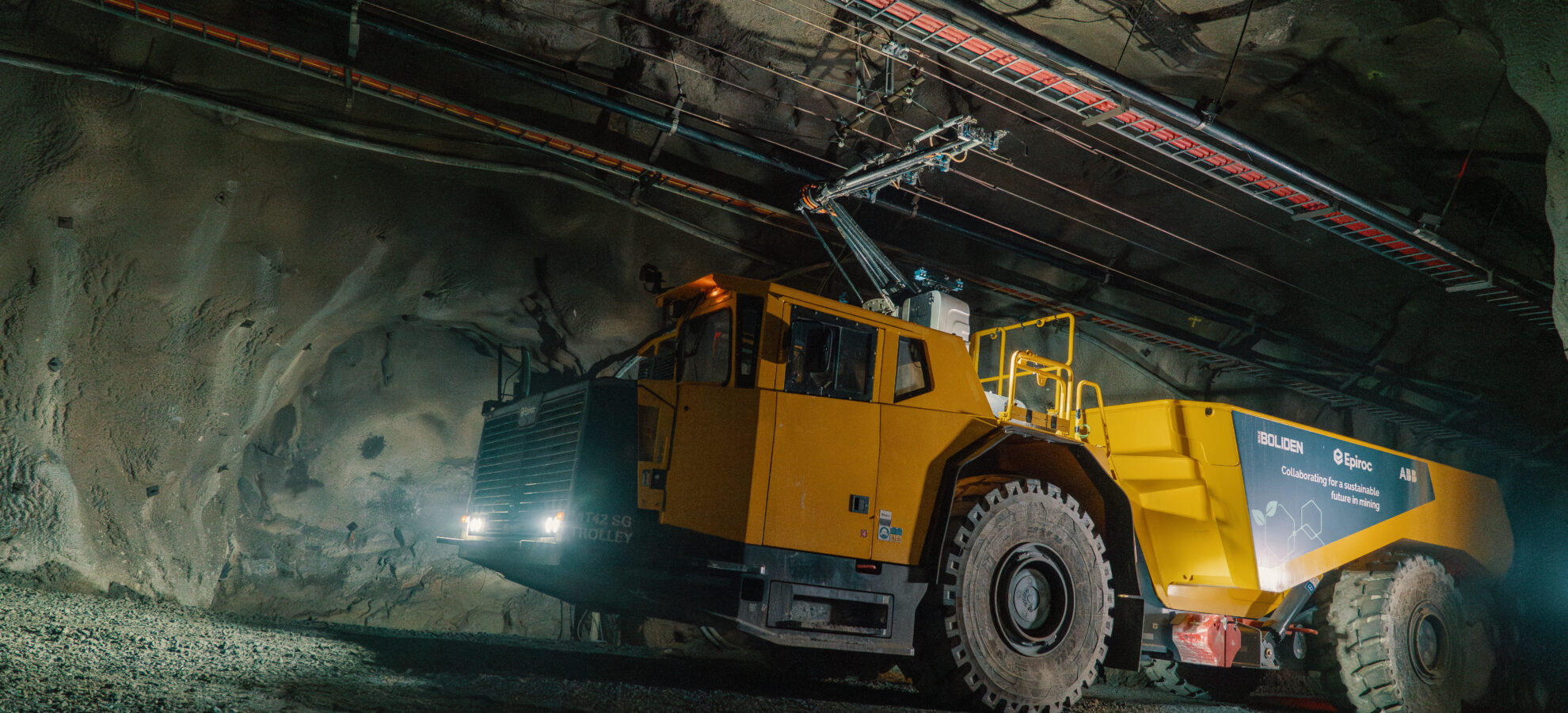
At its Aitik mine in Sweden, Boliden AB showcases sustainable water management practices that both maximise recycling and protect the environment. About 90% of process water is reused, while advanced clarification ponds and automated monitoring systems ensure water quality and reduce emissions. By relying on internal water cycles rather than drawing from rivers, Boliden minimises its environmental footprint and continuously invests in innovations that safeguard local ecosystems and support responsible mining. Learn more.

Primigea & Atalaya Mining - Efficient Water Management and Zero Liquid Discharge

Euromines World Water Day 2026 - PRIMIGEA & Atalaya Mining

Our member PRIMIGEA, together with Atalaya Mining, also a member of Aminer, demonstrates how a circular approach to water management can support efficient, climate-resilient mining operations. By prioritising water reuse and minimising freshwater demand, their operations have achieved an 81% water recirculation rate in 2024 and reduced external freshwater withdrawals by 45% since 2021.

Through a closed-loop system, water is continuously reused and fully utilised, even during periods of drought, ensuring operational stability while reducing environmental impact. As part of a broader circular economy strategy focused on prevention, reuse, and innovation, this approach highlights how modern mining can be both resource-efficient and aligned with long-term water conservation.

Cobre Las Cruces - Drainage and Reinjection System

Euromines World Water Day 2026 - Cobre Las Cruces

At its operation in Seville, Spain, Cobre Las Cruces, a member of Aminer, has implemented a pioneering approach to safeguard local aquifers through its advanced Drainage and Reinjection System (DRS). Designed to maintain a strict separation between mining activities and the surrounding hydrogeological environment, the system safely extracts groundwater before it can come into contact with the ore body, ensuring the protection of this vital resource.

The extracted water is treated using reverse osmosis, one of the most advanced purification technologies available, before being carefully reinjected back into the aquifer at a controlled distance from operations. Supported by continuous monitoring, this process preserves both groundwater quality and the natural hydrological balance. Complementing this system, a recently expanded Permanent Water Treatment Plant further enhances treatment capacity and operational resilience, demonstrating how innovative engineering can enable responsible mining while protecting essential water resource

LKAB - Wetlands Restoration

Euromines World Water Day 2026 - LKAB

LKAB’s MyreN project is restoring over 1,000 hectares of wetlands in northern Sweden in partnership with regional authorities, helping to reestablish natural water flows across the landscape. By closing historic drainage channels and allowing water levels to return to their natural state, the initiative enables wetlands to recover their essential ecological functions.

These restored ecosystems act as natural water reservoirs, regulating flows, reducing the impacts of droughts and heavy rainfall, and improving water quality by filtering nutrients and metals before they reach surrounding rivers and lakes. The project also strengthens climate resilience by buffering extreme weather events and lowering wildfire risks, while creating healthier habitats that support rich biodiversity. Beyond its environmental impact, MyreN demonstrates how collaboration between industry and public stakeholders can deliver large-scale, nature-positive solutions that enhance both ecosystem health and community resilience. Learn more.

Sustainable Water Solutions for Mining

These initiatives show how the European mining sector advances sustainable water management through innovation, operational improvements, and collaboration. By sharing these examples, Euromines promotes wider adoption of sustainable practices that protect water resources and support community wellbeing, balancing industrial activity with environmental stewardship.

Euromines at GIGA Europe 2026: Building Sustainable and Reliable Supply Chains

At GIGA Europe 2026, Dr. Florian Anderhuber, Euromines Deputy Director General, joined a high-level panel discussion on building sustainable supply chains for Europe’s strategic raw materials. The session focused on the impact of the EU’s new Corporate Sustainability Directive on the battery sector and highlighted the importance of securing the entire battery supply chain through diversity, resilience, and sustainability.

Key Takeaways:

Responsible is reliable

The EU mining sector has a strong incentive to operate responsibly. Responsible production not only upholds ESG principles but also fosters reliability and trust. In a context of growing geopolitical and market uncertainty, domestic production remains one of Europe’s most dependable sources of supply.

Value and costs

Responsibility creates value, but reliability comes at a cost. When these costs are absorbed upstream, EU raw material producers may face competitive pressures that can weaken supply security. Clear mechanisms are needed to share both the value and the costs of responsible production across the entire supply chain.

Demand and supply

Responsible production also requires responsible markets. Cooperation across the value chain, clustering demand and supply, and moving beyond lowest-price procurement will be key to creating a resilient ecosystem. The second call for Strategic Projects under the CRMA offers an opportunity to integrate these considerations into evaluation processes.

Panellists:

Euromines thanks the fellow panellists for a valuable exchange: Bill Williams (Baltimore Aircoil), Stefan Crets (CSR Europe), Kaisa Toroskainen (Global Battery Alliance), and Famke Schaap (Hyacint Consult).

Why This Matters

This discussion highlights the importance of aligning policy, industry, and market incentives to support a sustainable, competitive, and secure EU mining sector.

Building Europe’s Battery Backbone: Insights from Euromines at Talga Group Event

Speakers in the photos from L-R:  Rolf Kuby (Euromines), Dr. Olli Salmi (Finnish Minerals Group), Martin Phillips (Talga Group), Julia  Poliscanova (Transport & Environment).

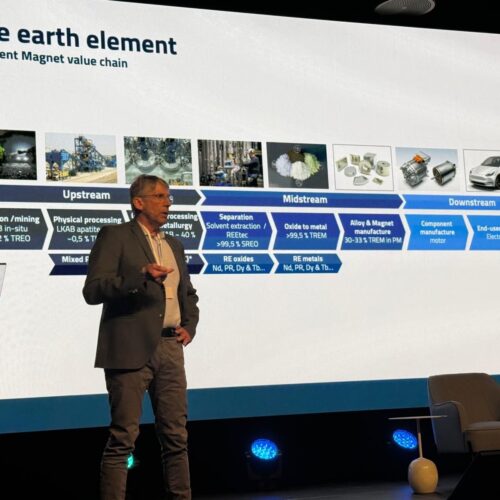
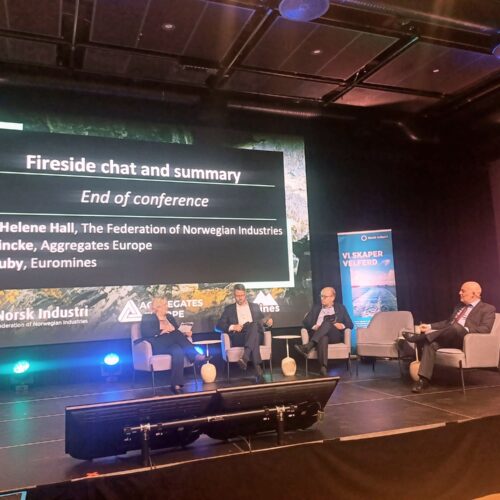
Rolf Kuby, Director General of Euromines, participated in a panel discussion at “Graphite First: Building Europe’s Battery Backbone” on 10 March 2026, hosted by our member Talga Group. The event highlighted strategic initiatives and policy measures essential for developing a competitive European battery value chain.

Key Takeaways:

Permitting Bottlenecks

Europe’s reliance on imported raw materials has left domestic mining underdeveloped over the last 30 years. Today, permitting delays of 10–15 years and restrictive regulatory frameworks threaten the clean energy transition. Responsible mining practices can mitigate environmental impacts, and initiatives like RESourceEU aim to streamline critical raw material permits while balancing environmental and strategic interests, including compliance with the Water Framework Directive.

Boosting Demand for EU Materials

A CEPS (Centre for European Policy Studies) study highlights policy tools to stimulate investment in local raw materials. These include linking local content to public procurement, enforcing rules of origin in FTAs, establishing minimum market access standards, and mechanisms like floor prices or stockpiling with off-take guarantees. 

Scaling the Battery Value Chain

OEMs report that Europe needs to expand battery cell production from 200 GWh today to 1,300 GWh by 2035 to meet the demand of approximately 15 million battery electric vehicles (BEVs) annually. Achieving this growth requires secure access to raw materials from European mining and recycling initiatives.

Making Local Content Strategic

Under the European Commission’s Industrial Accelerator Act (IAA), current coverage of key commodities is limited. Expanding the scope to include essential battery materials, such as lithium, copper, cobalt, graphite, nickel, rare earths and more, will strengthen Europe’s strategic autonomy.

Looking Ahead

Success over the next five years depends on translating today’s policy discussions into real projects across the battery ecosystem, from mining to recycling, supporting Europe’s electrification, mobility, digitalisation, and defence objectives.

International Women’s Day 2026: Celebrating Women in Mining

Euromines - International Women’s Day 2026

On International Women’s Day 2026, Euromines celebrates the women across our membership who are shaping Europe’s mining and raw materials sector through their expertise, leadership, and commitment. From engineering and geology to operations, research, and executive roles, women are driving progress and strengthening the sector’s resilience and competitiveness.

Driving Innovation and Sustainability

They are advancing technology, improving performance, and championing environmental responsibility, while helping secure the raw materials essential for Europe’s green, digital, and industrial ambitions. Their impact underscores the value of diverse talent in building a more adaptive and forward-looking sector.

Building an Inclusive Future for Mining

Euromines is committed to fostering an inclusive environment that attracts, supports, and empowers women across the sector. By promoting visibility and opportunity, we aim to strengthen the pipeline of talent and support a more balanced and sustainable future for mining in Europe.

Together, we recognise the women leading change today and reaffirm our commitment to enabling more women to shape the future of mining.

PRESS RELEASE: Strengthening the Industrial Accelerator Act by fully integrating Europe’s raw materials base

Brussels, 04 March 2026

The Industrial Accelerator Act (IAA) marks an important milestone in the European Union’s ambition to establish a genuine and forward-looking industrial policy. One capable of mobilising private investment and aligning demand and supply within a coherent framework. By promoting the production of strategic goods and supporting emerging sectors, the IAA signals a positive shift towards reinforcing Europe’s competitiveness, resilience and strategic autonomy of the manufacturing industry.

The introduction of “Made-in-EU” criteria, low-carbon content requirements and permitting simplification reflects this new mindset. These measures can create stronger regulatory certainty and targeted market incentives, helping to attract private capital and accelerate investment across strategic value chains. This approach acknowledges that achieving Europe’s green and digital transitions requires a more integrated and proactive industrial framework.

However, in its current form, the IAA does not sufficiently integrate the upstream raw materials segment. Without a clear and effective link to Europe’s domestic raw materials production, increased demand for strategic goods risks failing to translate into strengthened EU supply. A credible industrial strategy must recognise that raw materials are the indispensable foundation of all strategic value chains.

The reference to non-preferential rules of origin reinforces the final transformation steps of materials into finished goods but does not adequately reflect the role of EU-produced raw materials. Furthermore, while cooperation with trusted partners remains essential, broadening the recognition of EU-origin to certain Free Trade Agreement partners is unlikely to significantly bolster the EU’s own raw materials supply chain for strategic goods.

Euromines stands ready to engage constructively with the co-legislators to address these gaps. Fully integrating raw materials as a complementary enabler within the IAA will be essential to ensure resilient value chains and deliver on Europe’s long-term industrial, strategic and climate objectives.

About Euromines

Euromines, the European Association of Mining, Metal Ores & Industrial Metals, is the voice of the European metals and minerals mining industry. Our primary goal is to promote responsible industry practices and ensure that mining receives appropriate consideration in EU policymaking. As a collaborative network, Euromines brings together the Secretariat and Members to assess the impact of European and international policies on the industry, shaping unified positions and actions. Representing both large and small companies, as well as their subsidiaries across Europe and beyond, Euromines advocates for a sustainable and competitive mining sector. 

For media enquires, please contact:

Anna Zanetti

zanetti@euromines.be