

In celebration of World Youth Skills Day on 15 July, Euromines is showcasing nine young professionals from across its member organisations who are helping shape the future of Europe’s mining industry.
Discover their stories below as they reflect on the skills they’ve developed, how training and on-the-job learning have supported their careers, and the capabilities they believe will be most critical for the future of mining.



Scroll down to discover their stories.
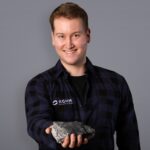
Mateusz Płaskoń - Graduate Mining Intern, KGHM Polska Miedz S.A.
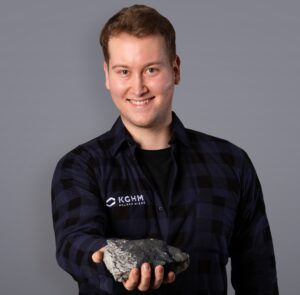
Mateusz Płaskoń – Graduate Mining Intern, KGHM Polska Miedź S.A.
1. What is the most important skill you have developed so far in your mining career?
The most important skill I have developed while working in the geological department is the precise identification of ore body parameters and the continuous assessment of geological and mining conditions. This requires not only thorough analysis of geological documentation but, above all, the ability to respond quickly to changing natural conditions underground. Developing an efficient workflow—from the immediate identification of geological disturbances in the rock mass to the rapid delivery of accurate data to other departments—has been essential. This dynamic approach helps optimize the mining process, minimize operational risks, and directly contributes to the continuity and economic efficiency of the entire mining operation.
2. How has training or on-the-job learning supported your development?
Workplace learning has significantly accelerated my professional development, particularly in the field of geological digitalization. A key milestone was mastering specialized software for managing geological databases and advanced systems used for deposit planning and exploration. Gaining practical experience with these tools has enabled me to interpret structural geological data with much greater accuracy. Regular safety training has also played an equally important role. Combining technological expertise with a strong awareness of natural hazards has shaped my responsible engineering approach and strengthened my ability to support informed project decisions in everyday operations.
3. What skill do you think will be most critical for the future of mining?
In my opinion, the most important skill for the future of mining will be the ability to integrate traditional geological and mining knowledge with modern digital technologies and automation. The future of the industry belongs to professionals who can manage large datasets and apply artificial intelligence algorithms to predict hazards and optimize mining operations. Equally important will be adaptability and the ability to respond quickly to increasingly demanding environmental regulations and the principles of the circular economy. Responsible mining of the future will require balancing economic efficiency with minimizing environmental impact while ensuring safe and sustainable resource extraction.
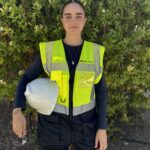
Dimitra Karadimitra - Heavy Equipment Operator Assistant at the Skouries Project, Hellas Gold S.A.
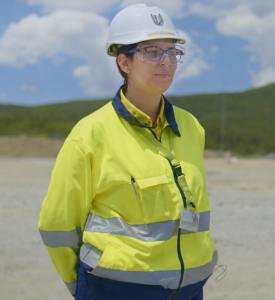
Dimitra Karadimitra – Heavy Equipment Operator Assistant at the Skouries Project, Hellas Gold S.A.
1. What is the most important skill you’ve developed so far in your mining career?
The most important skill I have developed so far is responsibility. Learning to operate heavy equipment safely requires constant attention, precision and discipline. Over the past 18 months at Skouries, starting at the age of 19, I have learned the value of following procedures, staying alert and never taking anything for granted. In mining, every decision matters, and safety starts with each one of us. That is why I am proud to work for a modern, responsible mining company like Hellas Gold, where a strong safety culture is built every day through continuous training and shared commitment.
2. How has training or on-the-job learning supported your development?
Training and on-the-job learning have been essential in helping me turn that sense of responsibility into real capability. Although mining has always been part of my life, as many members of my family work in the mining industry, experiencing it firsthand is very different. At Hellas Gold, structured training, daily practice and the support of experienced colleagues have helped me build confidence, develop technical skills and better understand what the job requires in real conditions. This combination of learning and guidance has played a key role in my development and has shown me that young women from local communities can grow and progress in modern mining.
3. What skill do you think will be most critical for the future of mining?
I believe adaptability will be one of the most critical skills for the future of mining. The industry is evolving rapidly, with more advanced equipment, digital tools, and new ways of working. This must always go hand in hand with a strong safety mindset. At Hellas Gold’s Training Center, tools such as VR and AR simulators help us build skills in a safe environment before working in real conditions. This kind of learning prepares young people for the future, and I hope it encourages more women to see mining as an industry where they can truly belong and succeed.
Tomislav Stjepan Kalinic - Senior Project Manager Mining, RHI Magnesita GmbH

Tomislav Stjepan Kalinic – Senior Project Manager Mining, RHI Magnesita GmbH
1. What is the most important skill you’ve developed so far in your mining career?
The most important skill I’ve developed is being able to combine technical and business thinking. As a mining engineer with a background in financial management, I learned that good decisions are not only technically sound but also economically viable. This has also enabled me to act as an interface between operations and management, translating operational challenges into business terms and vice versa. It helps me look at challenges from different angles and work effectively with both technical and business teams.
2. How has training or on-the-job learning supported your development?
Most of my development has come through on-the-job learning. Working on different projects and with experienced colleagues helped me understand how mining works in practice. Formal training provided the technical foundation, but real growth came from solving day-to-day challenges, taking on new responsibilities, and learning from people with different backgrounds and expertise. Continuous learning has helped me adapt to new situations and technologies throughout my career.
3. What skill do you think will be most critical for the future of mining?
I believe adaptability will be the most critical skill for the future of mining. Our industry is changing rapidly, and mining professionals need to change with it. Whether it’s new technologies, different ways of working, or evolving sustainability requirements, continuous learning and an open mindset will be essential. Technical skills remain the foundation, but the ability to adapt to changing conditions will be key to long-term success.
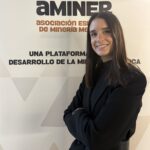
Olga Delgado Fimia - Technician, AMINER
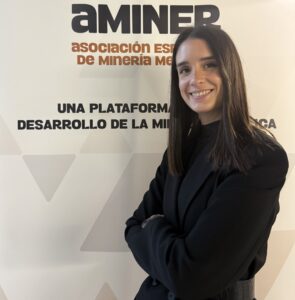
Olga Delgado Fimia – Technician, AMINER (Spanish Association of Metal Mining Companies)
1. What is the most important skill you’ve developed so far in your mining career?
The most valuable skill I have developed is bringing together different stakeholders and perspectives. Working at AMINER has taught me how to coordinate companies, public authorities and industry experts while addressing regulatory, environmental and operational challenges. My background in biology has helped me better understand the environmental dimension of mining, allowing me to contribute to informed discussions that support a responsible and competitive mining sector.
2. How has training or on-the-job learning supported your development?
Before joining AMINER, I had a very different perception of the mining sector. Through my work across different areas of the association, including environmental, regulatory, safety, labour and innovation topics, I have gained a broader understanding of the complexity behind modern mining. Continuous training and the knowledge shared by our member companies and experts have been essential to my development. Being involved in initiatives such as the MIN BREF process has also helped me understand the scale of the challenges faced by the sector and the importance of collaboration, knowledge sharing, and continuous improvement.
3. What skill do you think will be most critical for the future of mining?
The future of mining will require a combination of digital skills and multidisciplinary collaboration. Digitalisation will continue transforming the sector, but attracting and developing new talent is equally important. Mining needs professionals from many fields—engineering, environmental sciences, biology, data science, and more. Bringing together different areas of expertise will be essential to build an innovative, sustainable, and competitive mining industry.
Arnaud Bio-Agbenga - Senior Sales Representative, Caterpillar Inc.

Arnaud Bio-Agbenga – Senior Sales Representative, Caterpillar Inc.
1. What is the most important skill you’ve developed so far in your mining career?
Mining is all about solving our customers’ toughest challenges and creating value. Throughout my career in mining, I have learned that success comes from understanding our customers’ businesses as deeply as we understand our own. Our customers seek partners who can help them improve safety, productivity, uptime, and navigate workforce constraints. Over the years, I have developed the ability to connect technical and commercial solutions to help our customers achieve these outcomes and deliver meaningful results.
2. How has training or on-the-job learning supported your development?
My development has been driven by a combination of formal training and hands-on experience. Early in my career, my background in data analytics helped me build a structured approach to problem solving. As I transitioned into mining, I learned directly from experienced colleagues, product specialists, dealers, and customers. The most valuable lessons came from real-world situations, whether developing strategic agreements or engaging with customers. These experiences have shown me the importance of continuous learning and adaptability. Caterpillar has played a key role in my development by providing exposure to different functions, cultures, and business environments.
3. What skill do you think will be most critical for the future of mining?
Mining has grown rapidly in areas such as artificial intelligence and digital solutions, and it continues to be a pioneer in autonomous hauling systems and advanced technologies. Keeping pace with these advancements is still relevant now more than ever. At the same time, human skills such as collaboration, customer engagement, and adaptability will remain essential. I believe that professionals who can combine business insight, technology, and data to develop innovative solutions, while demonstrating emotional intelligence, will create significant value for the future of mining.
Lucía Martel Paredes - Hydrogeologist Jr., Minera Los Frailes
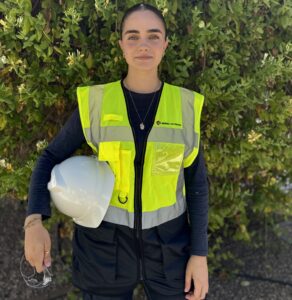
Lucía Martel Paredes – Hydrogeologist Jr., Minera Los Frailes
1. What is the most important skill you’ve developed so far in your mining career?
One of the most important skills I have developed during my career in mining is the ability to work safely and responsibly, understanding that safety must always come above any objective. Over time, I have learned to identify risks while performing the work, anticipate possible problems, and make better decisions in the field. I have also greatly improved my communication and teamwork skills, and in turn, I have learned more about data management and the details of each task carried out in a department, because in a mining operation it is essential to coordinate well with colleagues, share information, and support each other to achieve good results.
2. How has training or on-the-job learning supported your development?
Mentoring and daily learning on the job have been key to my professional growth. The courses and training sessions have taught me not only about my work but also about the set of tasks carried out within a team and to have a better understanding of the procedures, but a large part of the learning has also come from day-to-day experience and from working alongside people with more experience in this sector. Each situation has been an opportunity to learn, improve the way of doing things, and gain more confidence when facing new challenges.
3. What skill do you think will be most critical for the future of mining?
I believe that one of the most important skills for the future of mining will be the ability to adapt and keep learning constantly. The industry and job responsibilities are changing quickly and constantly with the incorporation of new technologies, automation, and digital tools, so it will be necessary for workers to be willing to update their knowledge and acquire new skills while integrating new updates. However, I also believe that maintaining skills such as teamwork, communication, and the ability to make good decisions will continue to be essential, since technology must be accompanied by people’s knowledge and experience to make good use of both.
Cumhur Erdem Karahan - Process Engineer, Gübretaş Maden Yatırımları A.Ş.
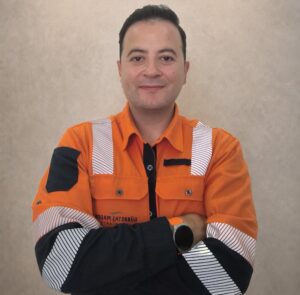
Cumhur Erdem Karahan – Process Engineer, Gübretaş Maden Yatırımları A.Ş.
1. What is the most important skill you’ve developed so far in your mining career?
The most valuable skill I have developed is turning technical knowledge into practical improvements. Working in a gold processing plant has taught me that success depends on understanding both the process and the people operating it. I have contributed to process optimization, operator training, and continuous improvement projects by transforming complex metallurgical concepts into practical actions. This ability has helped improve operational performance while creating a stronger learning culture within the plant.
2. How has training or on-the-job learning supported your development?
On-the-job learning has shown me that mining is constantly evolving. Working with process data, automation systems, and metallurgical investigations has helped me understand how small operational improvements can create significant value. Continuous learning has enabled me to contribute to process optimization while adapting to new technologies and sharing best practices with my team.
3. What skill do you think will be most critical for the future of mining?
The most critical skill will be the ability to combine digital technologies with practical engineering knowledge. Future mining professionals must understand process data, automation, and real-time monitoring while maintaining strong operational awareness. However, technology alone is not enough. The engineers who create the greatest value will be those who can translate data into better decisions, safer operations, and more sustainable production while supporting the development of their teams.
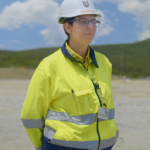
Patricia Jaime - Environmental Supervisor, Cobre Las Cruces
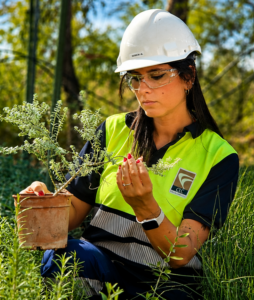
Patricia Jaime – Environmental Supervisor, Cobre Las Cruces
1. What is the most important skill you’ve developed so far in your mining career?
The most important skill I have developed is adaptability. In mining, every project brings different challenges, so it’s essential to be flexible and find effective solutions in changing scenarios. I’ve also learned the value of good work planning and collaborating with colleagues from other departments. That coordination across areas allows us to anticipate needs, optimise resources and achieve better results, especially on environmental matters.
2. How has training or on-the-job learning supported your development?
The best training I’ve received has come from combining technical knowledge with hands-on experience, sharing situations and feedback with colleagues from other departments. Watching environmental restoration projects evolve, monitoring wildlife, or analysing the behaviour of water and air emissions has allowed me to learn something new every day and keep growing professionally.
3. What skill do you think will be most critical for the future of mining?
I believe the most critical skill for the future of mining will be reconciling the production of resources society needs with responsible environmental management. In my experience as an environmental supervisor, I’ve found that the best solutions are those that integrate technical knowledge, sustainability and a long-term vision.
Barış Özkorkmaz – Mining Operations Engineer, Öksüt Madencilik San. Tic. A.Ş.
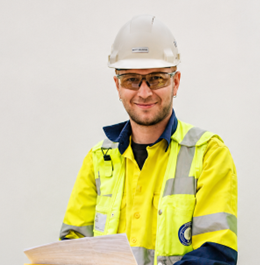
Barış Özkorkmaz – Mining Operations Engineer, Öksüt Madencilik San. Tic. A.Ş
1. What is the most important skill you’ve developed so far in your mining career?
I believe the most important skill I have developed throughout my mining career is effective communication. I realized its value during a night shift when the windshield of a production machine was damaged and no spare glass was available. To avoid interrupting production, I quickly coordinated with the operations and maintenance teams to remove a suitable windshield from an idle machine and install it on the damaged equipment. The machine was back in operation in a short time. This experience showed me that strong communication and teamwork are essential for solving challenges in the field.
2. How has training or on-the-job learning supported your development?
My professional growth has been shaped by both formal training and hands-on experience. In particular, MineSight training helped me better interpret digital mine plans and connect them with field applications. I supported the accurate implementation of excavation and production plans on site. Working alongside experienced operators, supervisors and engineers also allowed me to apply theoretical knowledge in real operations. These experiences strengthened my technical skills, improved my problem-solving abilities and reflected the strong learning culture promoted by my company.
3. What skill do you think will be most critical for the future of mining?
I believe the most critical skill for the future of mining will be the ability to adapt to change while combining technology with field experience. Artificial intelligence and digital twin technologies will enable real-time monitoring of mining operations and more informed decision-making. Autonomous equipment communicating with one another will further optimize production. However, the success of these technologies will ultimately depend on people who can interpret data accurately, integrate technology with practical field knowledge and embrace continuous learning.