


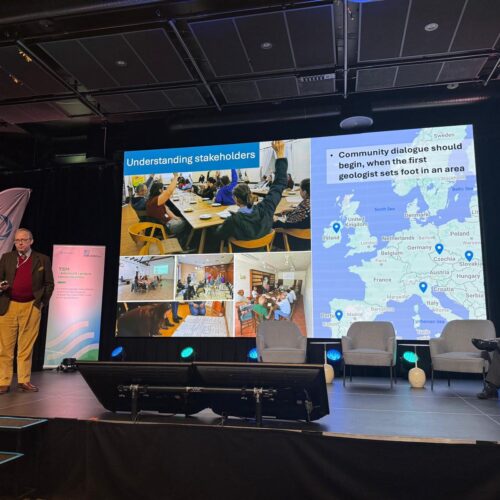
Snapshots
Irish Presidency programme’s priorities (July 1 – December 31, 2026)
Ireland holds the Presidency of the Council of the European Union from July 1 to December 31, 2026. Heading an 18-month Trio with Lithuania and Greece, the programme focuses on the following strategic pillars:
Competitiveness, investment and regulatory simplification
- Competitiveness is the overarching priority of the Irish Presidency, with implementation of the One Europe, One Market Roadmap at the centre of its agenda.
- Strong emphasis on simplification of EU legislation and reducing administrative burdens for businesses while maintaining environmental and social standards.
- Progress on the 2028–2034 Multiannual Financial Framework (MFF), including discussions on the future European Competitiveness Fund and EU investment priorities.
- Advancement of the Savings and Investments Union, deeper capital markets and measures to improve access to finance for businesses and innovation.
Industrial resilience, economic security and strategic value chains
- Implementation of the EU’s Economic Security agenda, balancing openness to trade with greater resilience and protection against unfair trade practices.
- Focus on strengthening supply chains, reducing strategic dependencies and supporting Europe’s industrial base.
- Promotion of investment in strategic sectors and technologies, including advanced manufacturing, semiconductors, and emerging technologies.
Energy, decarbonisation and infrastructure
- Advancement of the European Grids Package and forthcoming Energy Security Package to strengthen energy security and support electrification.
- Support for accelerated deployment of critical energy infrastructure and clean energy projects.
- Progress on the Carbon Border Adjustment Mechanism (CBAM) extension and the proposed Temporary Decarbonisation Fund to support industry decarbonisation and address carbon leakage risks.
- Advancement of sustainable finance legislation, including negotiations on the Sustainable Finance Disclosure Regulation (SFDR).
Security, defence and critical infrastructure
- Strong focus on European security, resilience and preparedness in response to geopolitical tensions and hybrid threats.
- Development of critical defence capabilities, defence/industrial cooperation and dual-use innovation ecosystems.
- Enhanced protection of critical infrastructure, including energy networks, cables, ports and digital systems.
The full programme is available here.
Raw Materials Policy Updates
The long-awaited Industrial Accelerator Act (IAA) was published at the beginning of March under the leadership of Executive Vice-President for Prosperity and Industrial Strategy, Stéphane Séjourné. The proposal signals a clear shift in the Commission’s narrative, placing renewed emphasis on strengthening Europe’s industrial base and competitiveness.
At its core, the IAA is built around three main pillars:
- Faster permits: Introduce a single, streamlined procedure to cap approval times at 18 months for key clean-tech and energy projects, supported by special “industrial acceleration areas.”
- Boost EU markets: Use public funding and procurement rules with “Made in EU” and low‑carbon criteria to strengthen local clean manufacturing.
- Foreign investment rules: Apply stricter conditions to major investments from certain non‑EU countries in strategic sectors, including requirements on technology transfer and local jobs.
Despite the strong political commitment underpinning the proposal, it falls short in addressing critical gaps and chokepoints in the supply chains of critical minerals and the downstream industries that depend on them. This omission remains a major concern for the sector.
The proposal is now progressing through the ordinary legislative procedure, where it will be examined by both the European Parliament and the Council.
In particular, it is calling for improvements in four key areas to enhance the resilience of critical raw material supply chains:
- The scope and applicability of lead markets, by integrating the IAA ambition with the RESourceEU objective.
- Eligibility criteria for industrial production and decarbonisation support, where Industrial Acceleration Areas should be applicable also to the upstream value chain.
- The definition and implementation of Union-origin requirements, by opening the IAA to minerals and materials that are crucial for EU manufacturing.
- The inclusion of structural measures to secure access to raw materials, by adding a chapter on raw materials that require and put conditionalities on importers of products.
Alongside this flagship industrial policy initiative, the European Commission is continuing to advance its engagement with the raw materials sector through the implementation of the RESourceEU Action Plan. In mid-May, the Commission launched a public consultation running until the end of July, about the creation of EU Critical Raw Materials Centre (CRMC), providing stakeholders with an opportunity to contribute to its development.
In terms of governance and operations, the CRMC should function along commercial lines as an executive agency while pursuing clearly defined policy objectives. Its activities would span the entire value chain, as well as supporting mine development, refining, and research and development.
Energy & Climate
The first half of 2026 has been characterised by intensive work on the ETS implementation for the remainder of the current trading period up to 2030, following the proposals put forward by DG CLIMA in December 2025 to reduce by 50% fallback benchmarks for heat and fuel.
The proposed reduction was seen as highly detrimental, as it would significantly increase compliance costs for energy-intensive industries, weaken their capacity to invest in decarbonisation, undermine competitiveness, and potentially jeopardise broader EU initiatives such as the Critical Raw Materials Act (CRMA), REPowerEU, and the Net-Zero Industry Act (NZIA).
Originally expected in April 2026, the revision has been postponed due to growing political pressure from energy-intensive industries on their national governments.
What began as a highly technical file rapidly evolved into a high-level political issue resulting in a firm commitment from the Commission to introduce a fast-track legislative proposal, running in parallel to the broader ETS Directive revision.
This proposal should empower the Commission to:
- Adopt fallback benchmarks based on an updated methodology, delivering significantly lower reduction rates.
- Apply these benchmarks values retroactively from 1 January 2026.
- Ensure appropriate criteria, including consideration of carbon leakage risks and the exclusion of rigid triggers such as the 50% maximum reduction rate.
On 15 June, Member States approved the Commission’s proposal to update the benchmarks, subject to several conditions. On 15th July, the Commission is expected to present a separate proposal specifically aimed at readjusting the fallback benchmarks. These revised benchmarks are intended to apply retroactively from 1 January 2026 and will be introduced through a fast-track procedure.
At the same time, the European Commission will present in the mid-July, the broader ETS revision for the post 2030 framework. Once published, the revision will enter the ordinary legislative procedure, to be examined by the European Parliament and the Council.
More broadly, policymakers increasingly recognise that the ETS is deeply interconnected with investment in the energy system, industrial transformation, and Europe’s capacity to produce clean, affordable, and domestically generated energy—particularly electricity. Reflecting this, the Commission is also set to present the Electrification Action Plan, alongside proposals on network charges, on 15th July.
Magnesite & Magnesia Assembly
The workshop in February, led by DG GROW, represented an important step in the ongoing assessment of magnesite and magnesia, yielding constructive outcomes and reinforcing the credibility of the work carried out so far.
A key development was the decision to assess magnesite and magnesia jointly. The workshop also helped clarify several critical data gaps that had previously limited the robustness of the assessment. At the same time, progress was made on methodological aspects central to the assessment framework, although some data limitations and uncertainties remain, highlighting the need for further refinement.
To complement confidential industry data, Euromines has developed a model based on publicly available information and sectoral production outlooks to estimate current consumption of Dead Burned Magnesia (DBM), Fused Magnesia (FM), and Caustic Calcined Magnesia (CCM) in Europe, as well as future demand trends. This proxy provides a reasonably accurate representation of the sector’s implications, and it is supported by a detailed report outlining the methodology, data sources, and assumptions used.
Nedmag site visit and Magnesite&Magnesia Assembly meeting
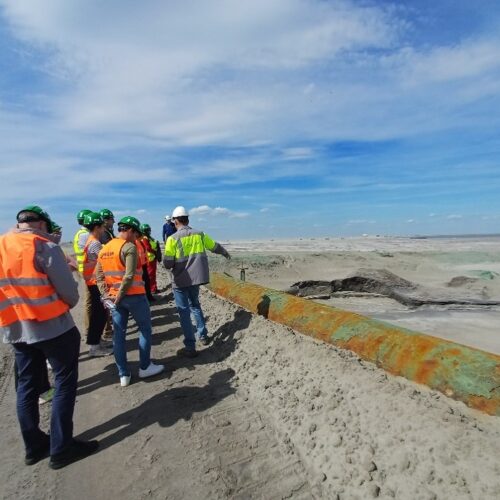
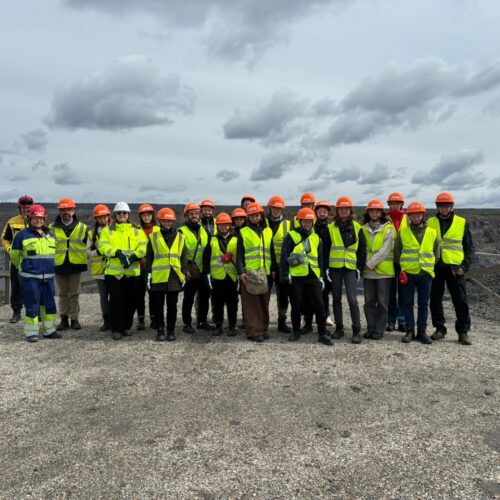
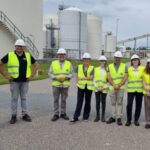
On 30th June, the Magnesite&Magnesia Assembly visited the Zechstein Sea area (Veendam) hosted by our Dutch member Nedmag.
In this area in the north of the Netherlands, Nedmag has two operation sites: a mining location where they extract high quality magnesium salt (magnesium chloride) and a production site where the production of Dead Burned Magnesia (DBM), calcium chloride, and magnesium hydroxide takes place. These products serve a wide range of industries and applications, including pulp and paper, agriculture, environmental solutions, food and health, energy, industrial processes, safety applications, and refractory materials.
The site visit was followed by the meeting, which provided an opportunity to conclude activities ahead of the summer period. During the in-person Assembly meeting, participants reflected on the advocacy efforts carried out:
- The criticality assessment conducted by DG GROW to enter magnesite and magnesia in the list of critical raw materials during the current revision of the CRMA.
- The CLM BREF, falling under the Industrial Emissions Directive (IED), revised last year, and introducing several new elements, related to circular economy, decarbonisation, and human health.
- The carbon markets, with the ETS revision sets to be published on 15th July and setting the scene for the post 2030 framework.
Sustainability
During the first half of 2026, the Sustainability Committee’s work was strongly shaped by developments in sustainable finance, notably the potential use of the Do No Significant Harm (DNSH) principle as a negative filter for accessing EU funding under the next Multiannual Financial Framework (MFF).
This re-emergence has raised significant concerns, as applying DNSH as an exclusionary tool could limit mining activities’ access to EU funds and thereby undermine the objectives of key initiatives such as the Critical Raw Materials Act (CRMA) and REPowerEU. There is a clear risk that such an approach would weaken the resilience of EU value chains and hinder progress towards strategic autonomy.
In response, Euromines actively contributed to the public consultation advocating for the continued eligibility of the metals and minerals mining sector under the future MFF, emphasising that an exclusionary approach would have far-reaching negative consequences, including slowing innovation, weakening the EU’s strategic autonomy and security of supply, delaying planned investments, and potentially affecting interconnected sectors such as food security.
Therefore, the MFF should support rather than restrict Europe’s raw materials base, and ensuring the continued inclusion of mining would strengthen EU value chains across all metals and minerals, whether linked to defence, clean technologies, or food systems, and ultimately contribute to maintaining Europe’s leadership in developing a sustainable and responsible mining sector.
During the first half of 2026, the Committee also advanced its work on the simplification package, with a particular focus on the revised European Sustainability Reporting Standards (ESRS) developed by EFRAG following last year’s consultation, in which Euromines actively participated and which now serves as the basis for DG FISMA to prepare the updated implementing act.
Building on EFRAG’s draft, the Commission launched a public consultation, to which Euromines contributed by consistently advocating for an overall simplification of the standards and reporting requirements, while also providing targeted feedback on specific data points. In its response, Euromines stressed the need to ensure proportionality, enhance legal certainty and clarity of requirements, and sharpen the focus on material information relevant to primary users, avoiding overly detailed and burdensome reporting obligations, particularly with regard to stakeholder engagement processes. Euromines also highlighted the importance of alignment with international standards to ensure consistency and reduce duplication.
Environment
Environmental Omnibus (VIII)
As part of its simplification efforts, the European Commission published a proposal for an Environmental Omnibus (Omnibus VIII) in December 2025, which includes proposals to streamline the IED (COM(2025)986) and to speed up environmental assessments (COM(2025)984). The ex-post consultation that ran from 12 March was the opportunity for Euromines to support the initiative and to provide further concrete amendments. More specifically, improvements can be made in the proposal on the speeding up of environmental assessments regarding the streamlining of project modernisation and decarbonisation, substantial preclusion, legal certainty, administrative efficiency, and the Birds Directive derogation gap.
The EP ENVI draft report on speeding up of environmental assessments, released on 22 May, is built on 3 principles: technology and sector neutrality, adaptive timelines, and digitalisation. A central element is the removal of provisions on strategic industrial projects, arguing that the strategic sector designation creates a 2-tier system, undermines coherence, and lacks a legal definition. The EP ENVI draft, which does not consider Euromines’ proposals, reduces competent authority deadlines for screening and environmental assessments and replaces fixed COM deadlines with project-specific timelines set by the competent authority on a case-by-case basis.
The EP deadline to table amendments is on 23 June, the indicative EP ENVI vote is planned on 1 October and indicative EP plenary vote on 19 October. The Council expects its general approach to be finalised in October. The Irish Presidency wants to finalise the file by December 2026.
Water Policy
The file related to the Protection of groundwater against pollution and environmental quality standards in the field of water policy (linked to the Water Framework Directive – WFD) reached a conclusion. The Directive amending the WFD, Groundwater Directive and EQS Directive was published in the Official Journal of the EU on 20 April and entered into force on 10 May 2026. Member States must transpose the Directive at national level by 21 December 2027. The outcome was disappointing for the mining sector, as not only did policymakers miss an opportunity to tackle serious issues hampering the permitting of mining operations, but they also strengthened the “non-deterioration” definition and introduced 2 limited derogations – ineffective at the scale of mining operations.
Shortly after, following up on announcements in December 2025 in the REsourceEU Action Plan and the proposed Environmental Omnibus, the Commission released its WFD Guidance on 22 May. However, despite its positive ambitions, this new document fell short and confirms Euromines’ issues with the WFD.
In parallel, the European Commission opened a call for evidence on 17 March, in order to support a review and targeted revision of the WFD (also announced in December 2025). The targeted revision should ensure it continues to contribute to water resilience as outlined in the Water Resilience Strategy, while supporting the EU’s strategic autonomy in relation to critical raw materials. Euromines’ input supports the initiative, advocating for a material-neutral approach, pragmatic definitions, and workable and predictable derogation pathways.
The Commission is expected to release its proposal for the targeted WFD revision in Q3/Q4 2026.
Stress-test of the Birds and Habitats Directives (BHDs)
The Environmental Omnibus Communication of December 2025 also announced that the Commission would stress-test the BHDs in 2026, taking into account climate change, food security, competitiveness, resilience, the evolving case-law and need for legal certainty and other developments and present guidelines to facilitate implementation including with regard to predative species. The objective is to assess whether the BHDs remain relevant, proportionate, and fit to achieve their objectives in a cost-efficient way. The stress-test aims at updating the 2017 fitness check of the BHDs, with 3 main topics in scope: application of Article 6 of the Habitats Directive (focus on the appropriate assessment procedure for Natura 2000 sites); policy coherence, stakeholder participation, funding support and governance; and species protection and derogations. The Commission will also focus on updating the annexes for scientific and technical progress.
Preliminary findings show that the stress-test and potential subsequent revision of the BHDs could be an opportunity to address challenges faced by the mining sector in terms of operations and permitting processes.
The Commission opened a public consultation running until 4 August.
Industrial Emissions Directive (IED) 2.0
Almost 2 years after the publication of the revised IED (15 July 2024), several aspects of the revision are still a work in progress, and the consequences of the new text are not all fully defined yet. While Member States are tasked to transpose the new IED by 1 July 2026, the Commission is committed to delivering several implementing acts and decisions.
After several consultations carried out in 2025 and 2026, the Commission has still not released any of the promised outputs. During and following the Article 13 Forum meeting that took place on 2-3 March 2026, Euromines provided feedback on the Commission’s first draft on the method for assessing compliance with permit ELVs for emissions to air and water, and on the second draft BREF guidance – including joint papers together with other industry associations. Industry considers that the proposal on compliance assessment is premature as it contains technical errors and limitations, and risks creating conflicts with EN standards (European Norms). It is advised putting the work on hold while CEN works on EN 14181, to allow for the development of a technically sound method to account for measurement uncertainty. While the second draft of the guidance for the drafting of Best Available Techniques Reference Documents (BREF guidance) presented notable improvements, several issues still required work to uphold the quality, efficiency and transparency of the BREF process.
MIN BREF
During the first half of 2026, the Metal Mining BREF Technical Working Group (MIN BREF TWG) finalised the drafting of the questionnaire that was then used to perform the data collection among the 52 well-performing sites identified by EU-BRITE. The data collection phase ran from 6 March until 15 June.
After an unsuccessful attempt to identify Key Environmental Issues (KEIs) for process chemicals beginning of 2026, the MIN BREF TWG subgroup on chemicals reconvened on 10 June with the aim to identify the criteria that should be applied when assessing which chemicals should be KEIs. The work is to be continued with a new proposal from EU-BRITE to the subgroup.
The third round of MIN BREF site visits took place in Finland on 26-27 May and led the TWG to the Terrafame mine and Sotkamo Silver mine. Representatives from European Commission (EU-BRITE, DG ENV), ECHA, Member States (AT, EL, ES, FI, SE, NO) and industry (Euromines) took part in the tour.
As for the next steps, the data assessment phase will run until the end of 2026. In parallel, the MIN BREF TWG will agree on the criteria to apply in order to identify chemical KEIs and will identify those KEIs during the data assessment workshop scheduled in Autumn. The first MIN BREF draft is expected to be released in Q1 2027.
Euromines Environment Committee
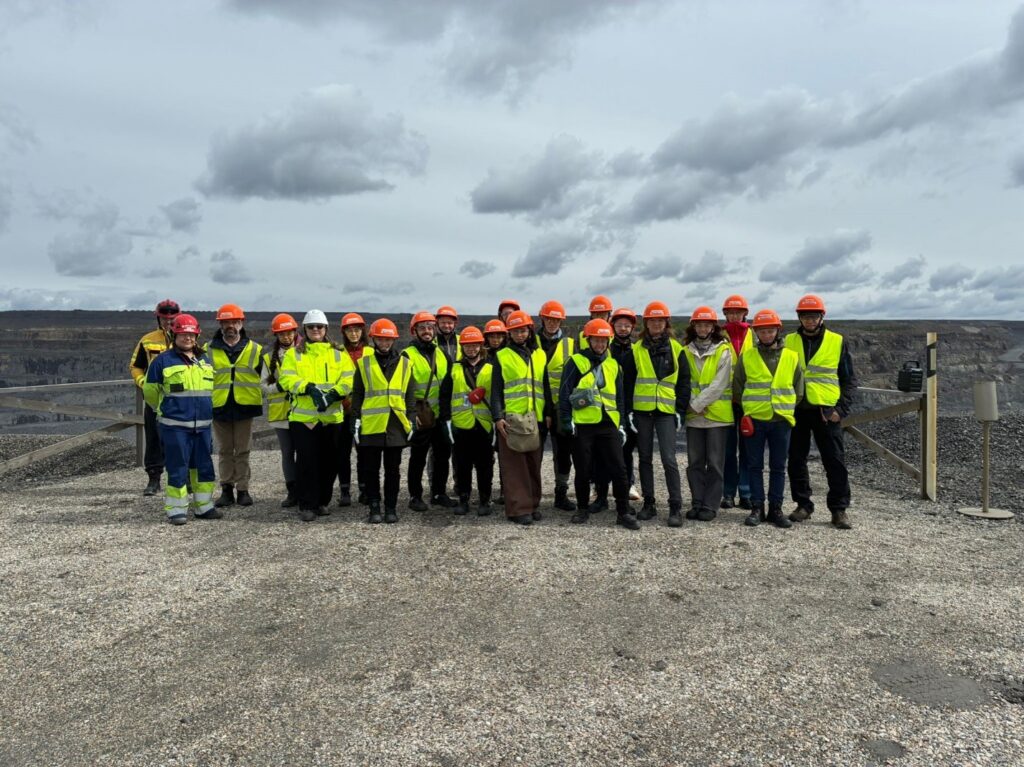
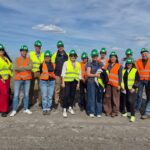
Between 16–17 June, the Euromines Environment Committee met in Lubin, Poland, for an on-site committee meeting hosted by KGHM Polska Miedź.
A particular highlight was the Rudna visit to the largest underground copper mine in Europe, where the guide took the group down to 1250 meters under 45°C and showcased the complex system in place to operate in this context. As well, the team was taken to the largest and one of the most technologically advanced flotation tailings facilities in the world – utilising state-of-the-art technology to store, purify and recycle water for all processes related to the mine. The tour also included a visit to the ore extraction shafts, which transfer hundreds of tonnes of raw ore to be refined each day.
Health & Safety
Social and Sectoral Dialogue Committee for the Extractive Industries (SSDCEI)
On 31st March Euromines participated in the Social and Sectoral Dialogue Committee for the Extractive Industries meeting. The meeting is a tripartite committee between the European Commission, employer and employee representatives. In the meeting the three bodies agreed on signing a joint statement in support of the workers of the tractive industries in Ukraine.
Euromines presented the results of the NOx and Diessel emissions report was shared, highlighting the immense efforts and success of the underground mining industry has made in reducing worker exposure to emissions. It was communicated to the committee that an extension of the deadline would ensure full compliance with the regulation. The Commission presented the recent guidelines for pedestrian safety in the sector, the new asbestos guidelines as well as statistics on health and safety in the sector, the picture presented of the sector was that mining is a dangerous sector, but the statistics presented were combined with coal and aggregates.
Euromines Health and Safety reporting
Euromines has started the Health and Safety reporting with data from the year of 2025. This reporting collects data from our members about injuries, diseases and fatalities in underground mining. This data collection exercise is important to disaggregate metallic mining from other mining sectors and present a transparent and realistic view of the safety of mining within our membership.
Euromines visibility
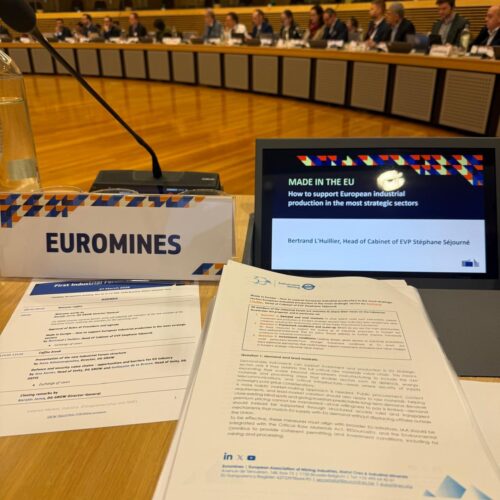
European Industry Summit 2026 in Antwerp
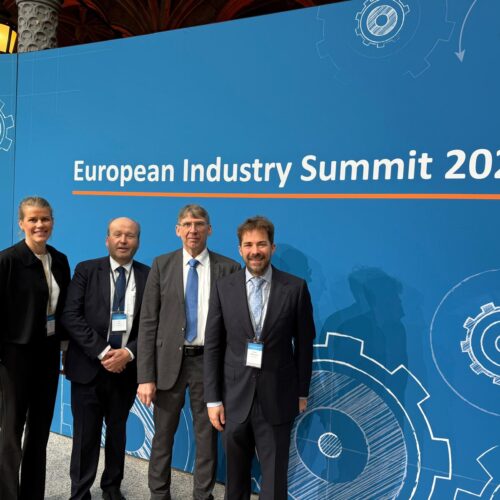
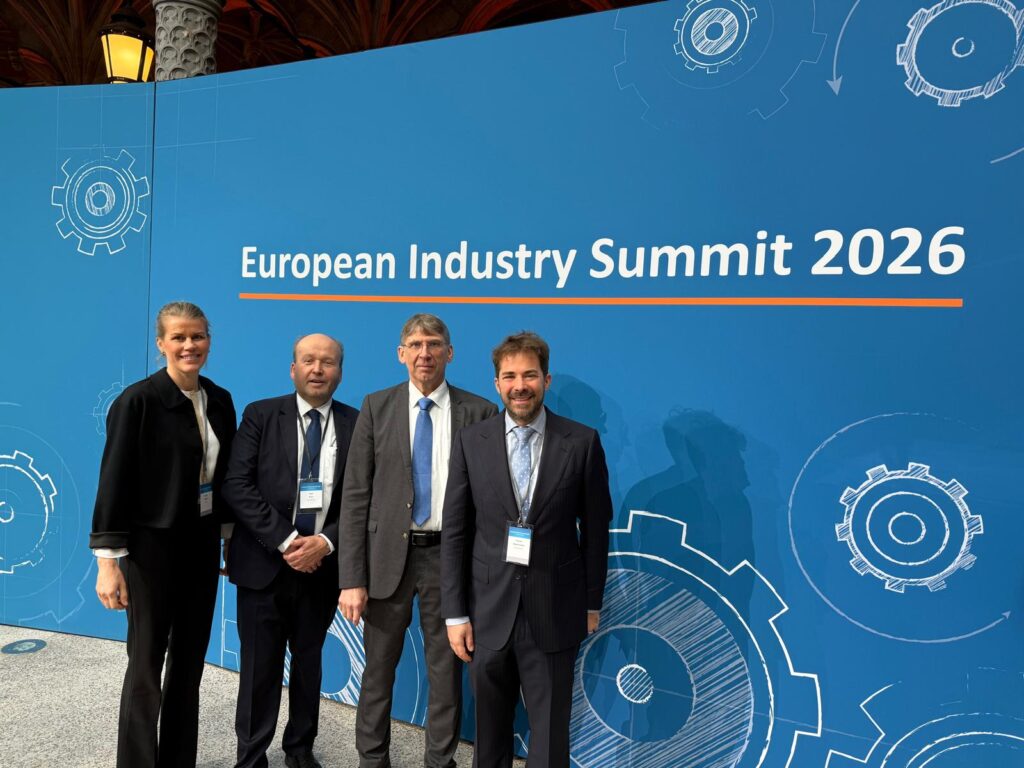
On 11th February, Euromines President, Jan Mostrom, participated in the European Industry Summit 2026 in Antwerp, bringing together around 600 stakeholders, including European Commission President Ursula von der Leyen, Commissioners, Prime Ministers, industry leaders, and social partners to discuss Europe’s industrial competitiveness.
During the high-level roundtable discussions, Euromines highlighted the importance of strengthening European value chains from mining and recycling through to finished products, ensuring that “Made in Europe” reflects resilience, strategic autonomy, and value creation across the entire supply chain.
Euromines in Bofors
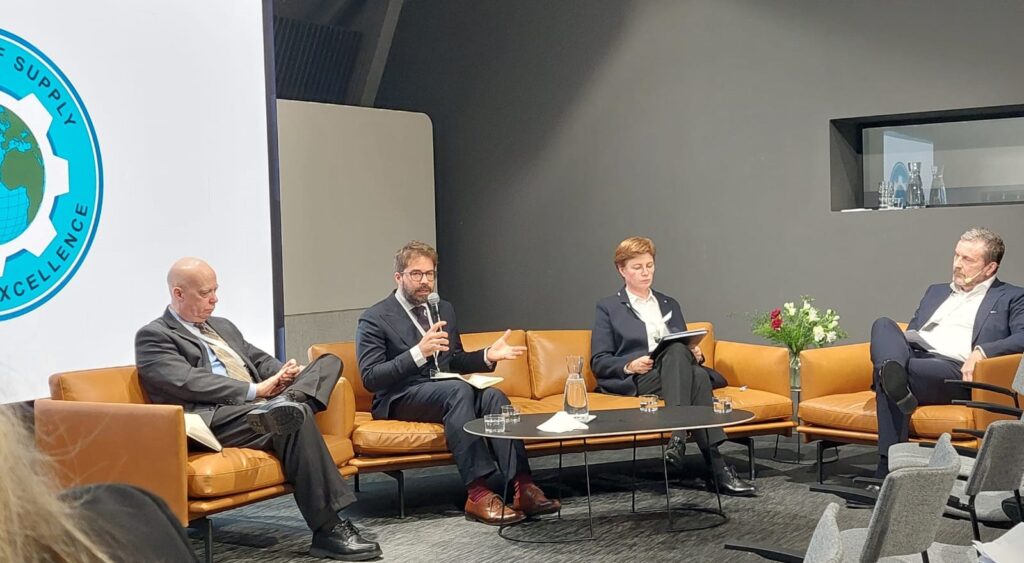
At the end of February, Dr. Anderhuber participated to the Security of Supply Centre of Excellence’s Security of Supply Symposium 2026, a high-level panel discussion on the critical importance of metals and minerals in defense. His intervention highlighted a clear and pressing reality: the security of Europe’s defense capabilities is inseparably linked to the security of its raw materials supply. He emphasised that ensuring access to mission-critical materials is not only an industrial necessity, but also fundamental to preserving European values such as freedom and democracy.
PDAC 2026 session
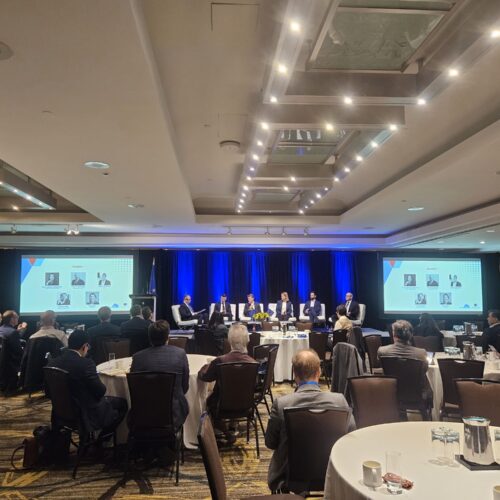
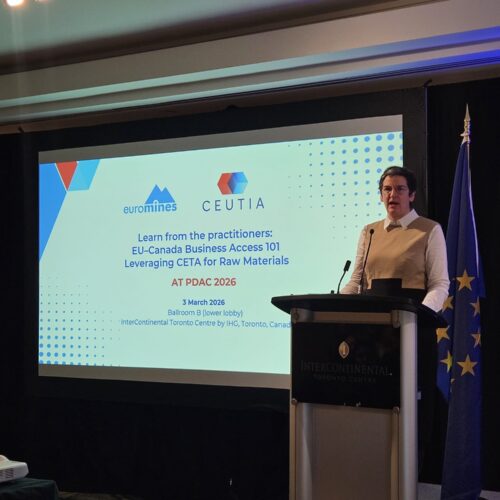
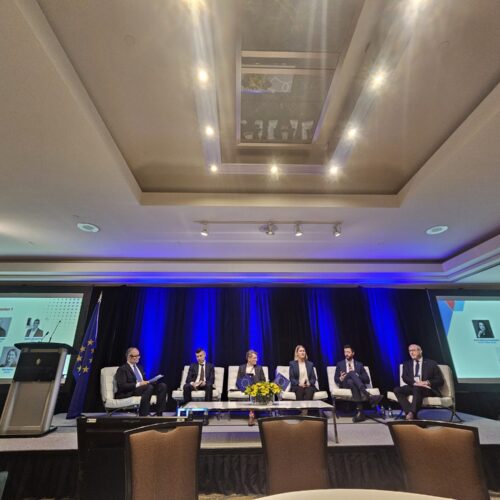
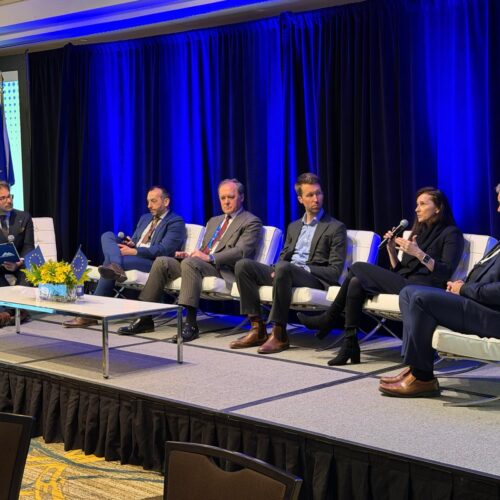
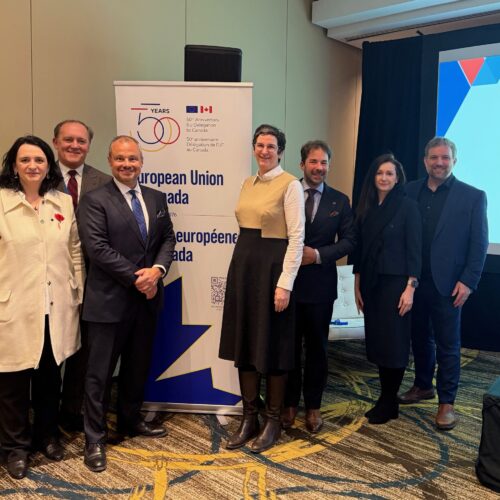
On 3 March 2026, Euromines and CEUTIA co-hosted the event “EU–Canada Business Access 101 – Leveraging CETA for Raw Materials” during PDAC 2026 in Toronto, bringing together industry representatives, financial institutions, policymakers, and investors from both sides of the Atlantic.
The discussion focused on how the EU–Canada Comprehensive Economic and Trade Agreement (CETA) and the Strategic Partnership Agreement can support cooperation in critical raw materials, strengthen supply chain resilience, and facilitate investment in mining, processing, and related technologies. Industry leaders shared practical experiences and success stories on market access, financing, offtake agreements, regulatory alignment, and technological collaboration
EP policy breakfast
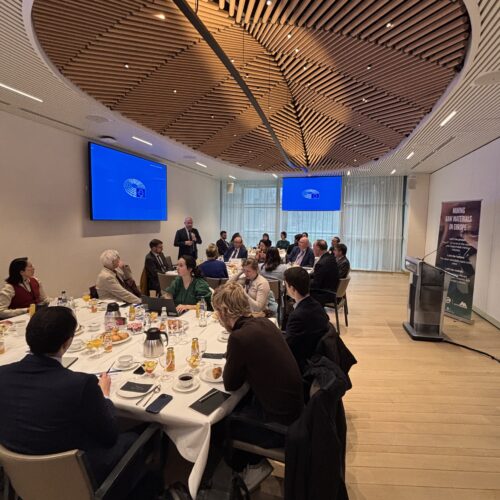
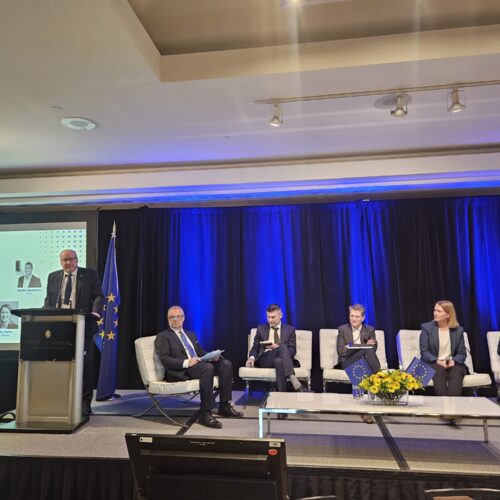
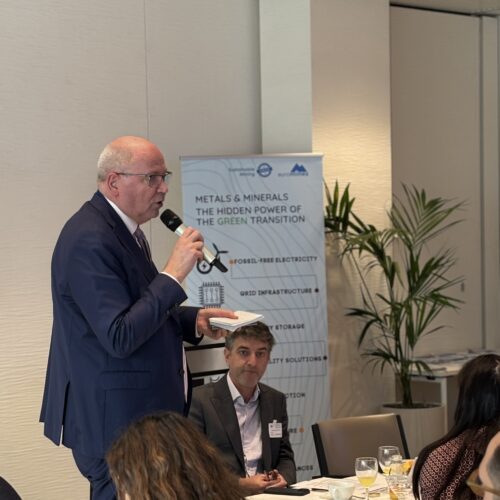
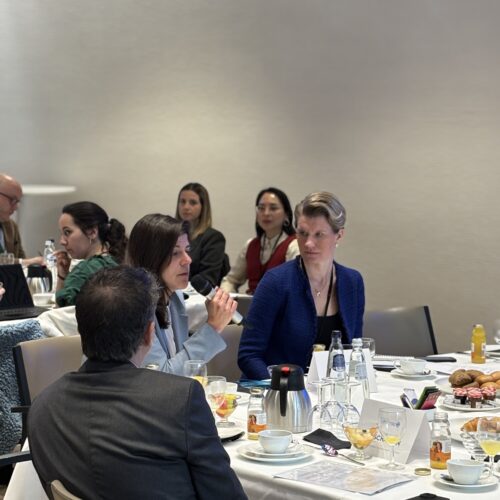
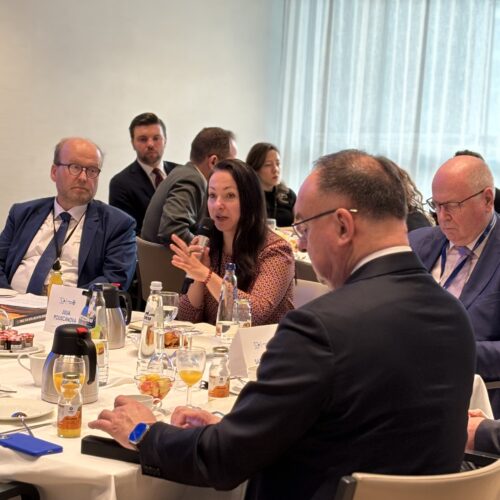
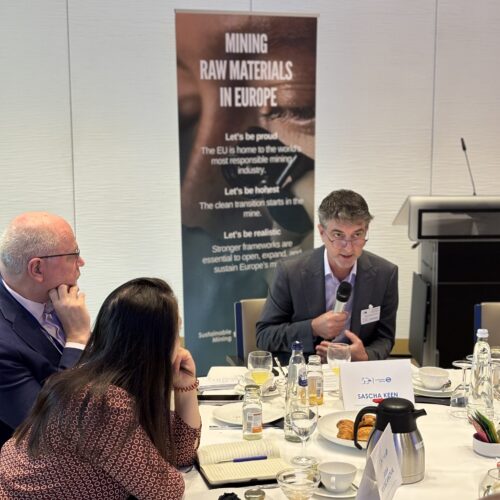
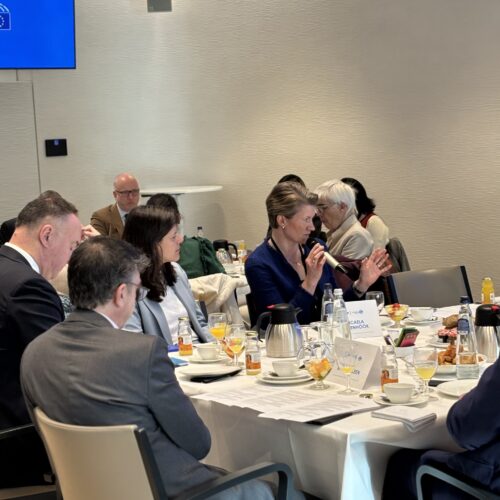
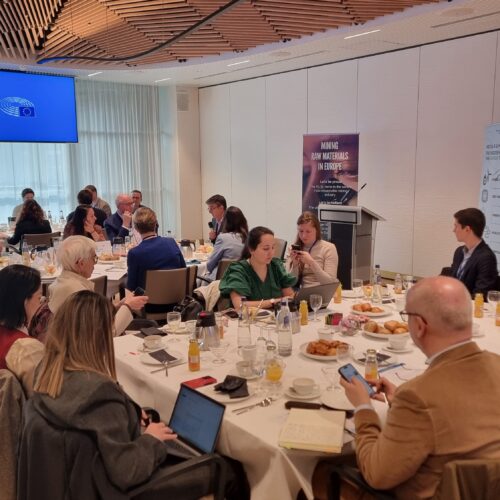
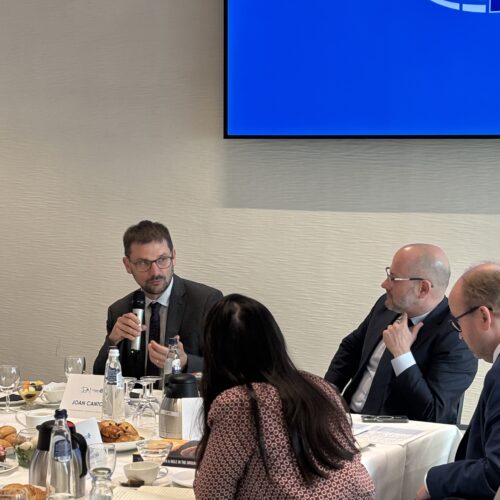
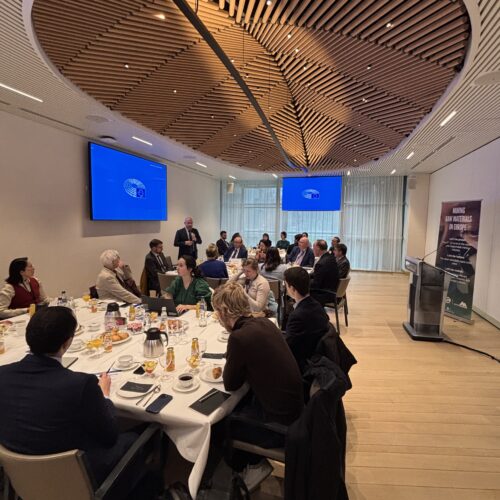
On 25 March 2026, Euromines hosted a policy breakfast at the European Parliament on “RESourceEU, the Industrial Accelerator Act (IAA) and Simplification: Designing a Clear Permitting Pathway for Europe.” The event brought together policymakers, industry representatives, and civil society stakeholders to discuss how Europe can create a coherent framework for securing critical raw materials while strengthening industrial competitiveness.
The discussion focused on the implementation of the Industrial Accelerator Act, the RESourceEU Action Plan, and ongoing simplification efforts, with particular attention to streamlining permitting procedures and improving regulatory coherence across the mineral value chain. Participants exchanged views on the practical steps needed to translate Europe’s strategic ambitions into effective policy measures that support investment, resilience,and sustainable growth.
Euromines in Australia
At the end of March, Dr. Florian Anderhuber, Deputy Director General of Euromines, participated as a panellist at the Minerals Week 2026 in Australia—an event that brought together mining leaders and policymakers from across the world.
During the discussions, Dr. Anderhuber emphasised that today’s mining sector faces a shared set of challenges across jurisdictions. From geopolitical uncertainty and energy price volatility to permitting delays and increasing supply chain pressures, the global minerals landscape is becoming more complex and fragmented. Yet, as highlighted throughout the panel, these challenges also open up new opportunities for collaboration.
Euromines in Norway
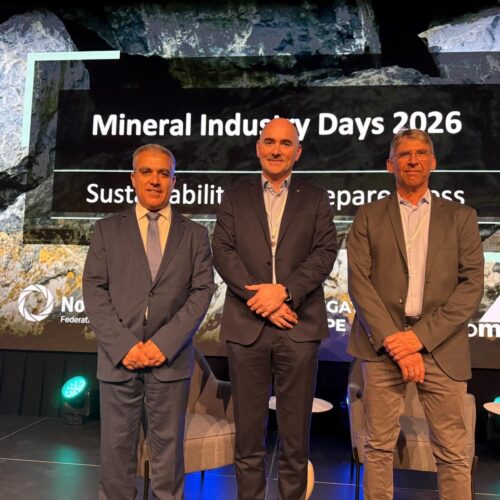
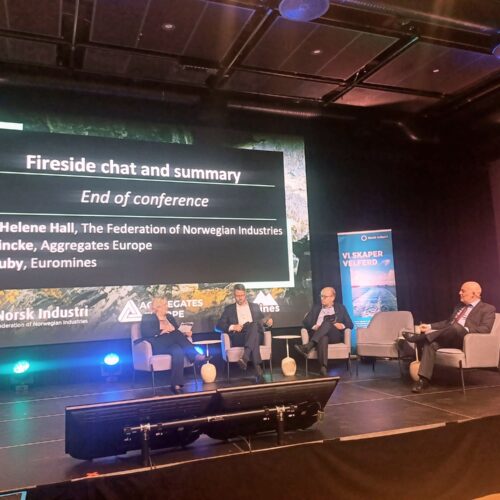
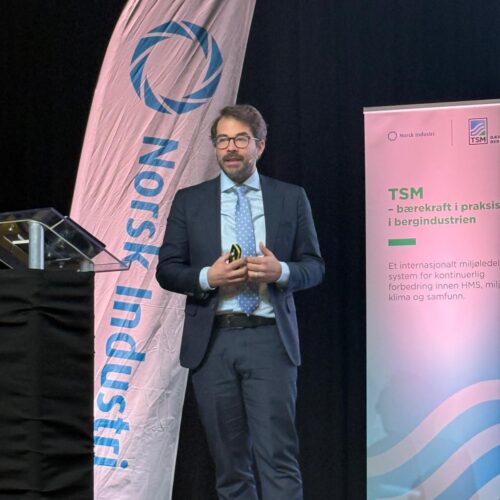
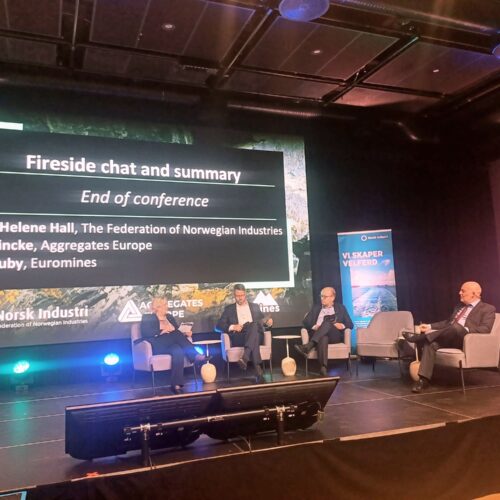
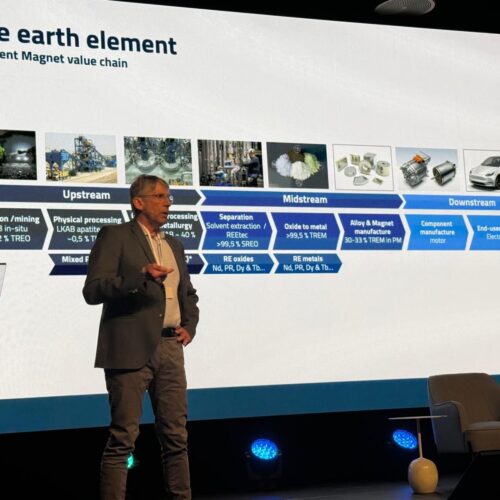
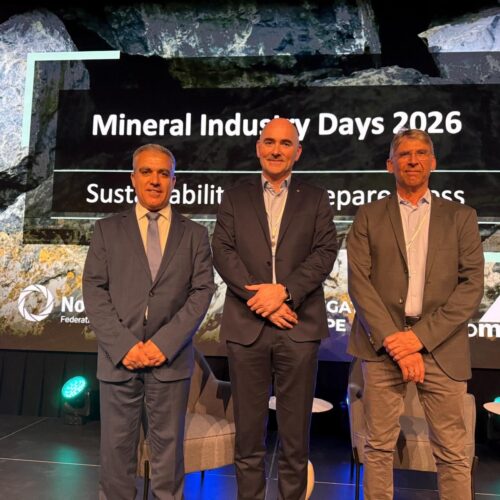
In mid-April, Euromines co-organised, with the Federation of Norwegian Industries,
and Aggregates Europe, the Mineral Industry Days 2026 in Oslo.
The two-day event brought together policymakers and industry leaders to reflect on how Europe’s mineral sector can support a more resilient and sustainable future. Euromines President Jan Moström and Euromines Director General Rolf Kuby, with the other speakers, highlighted the widening gap between Europe’s strategic ambitions and the realities facing industry, from lengthy permitting processes to declining domestic processing capacity. A shared understanding emerged: raw materials are no longer a peripheral issue, but central to Europe’s energy transition, defense readiness, and industrial sovereignty.
Euromines 30th anniversary and high-level policy event
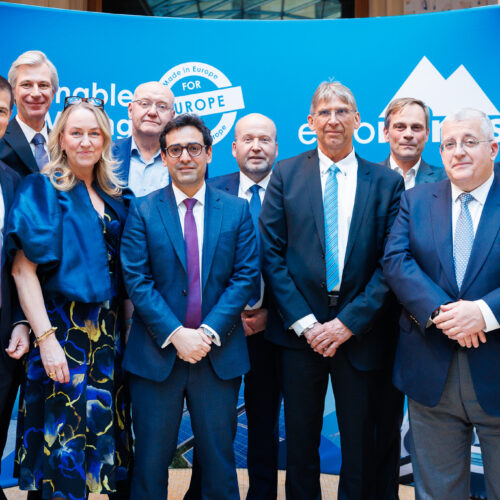
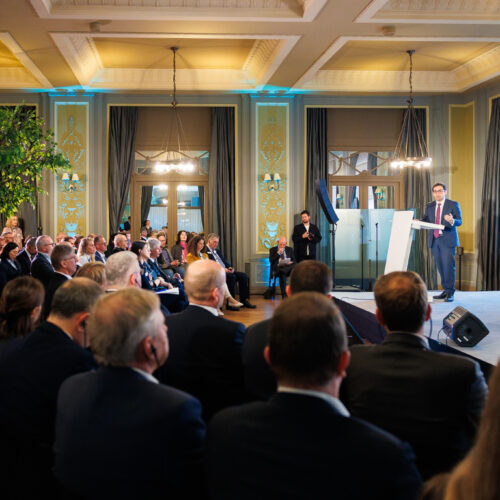
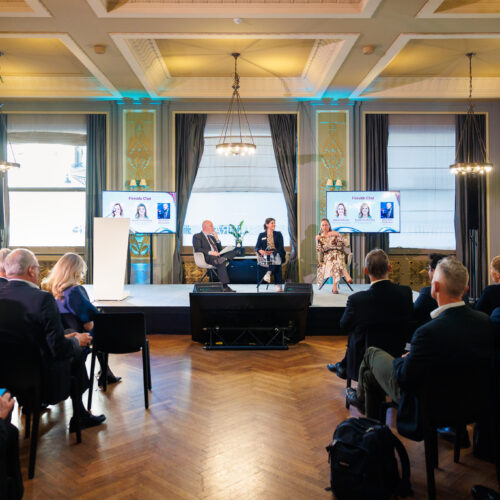
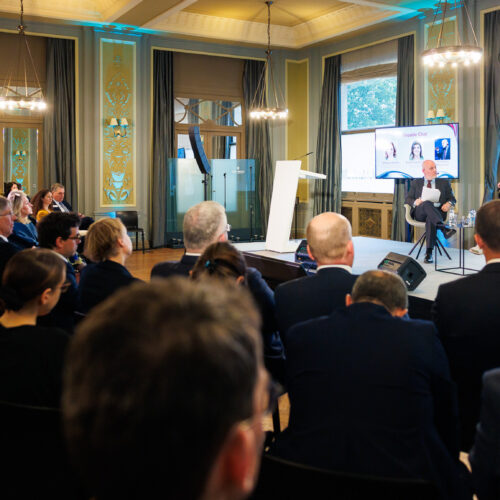
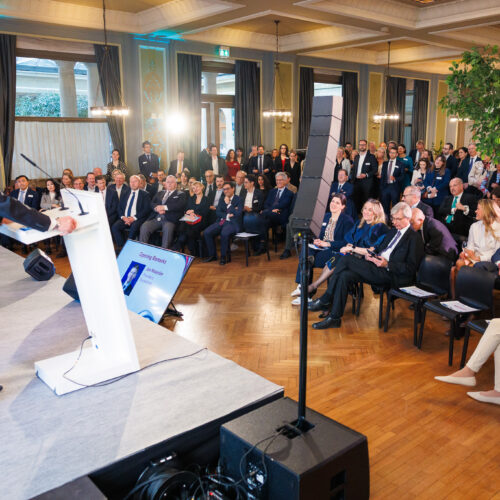
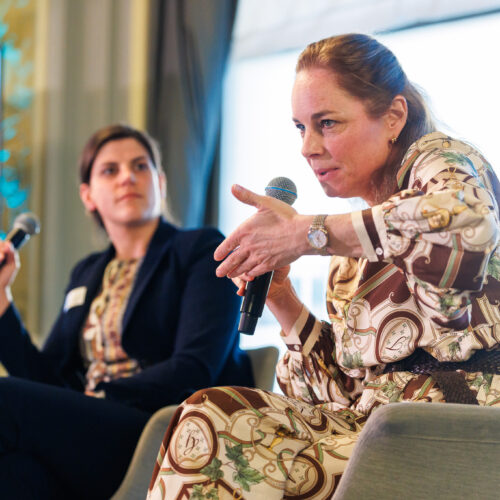
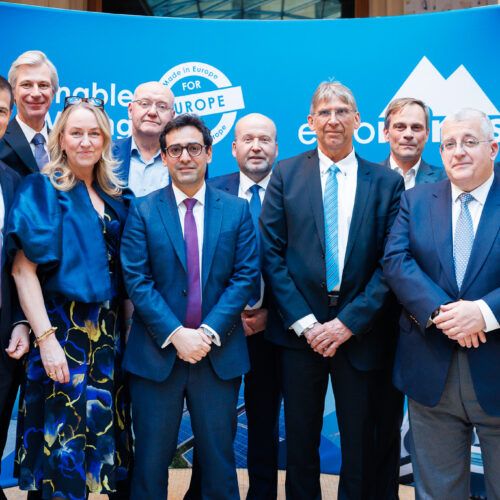
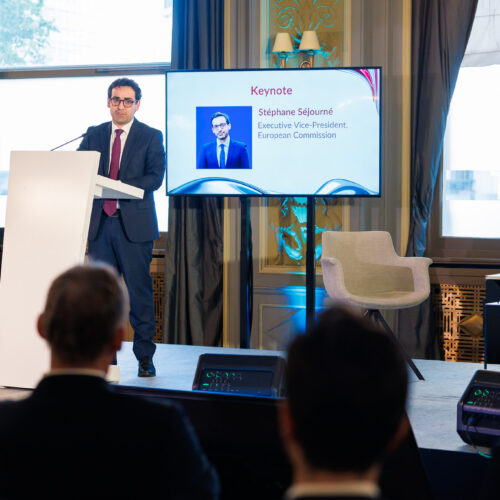
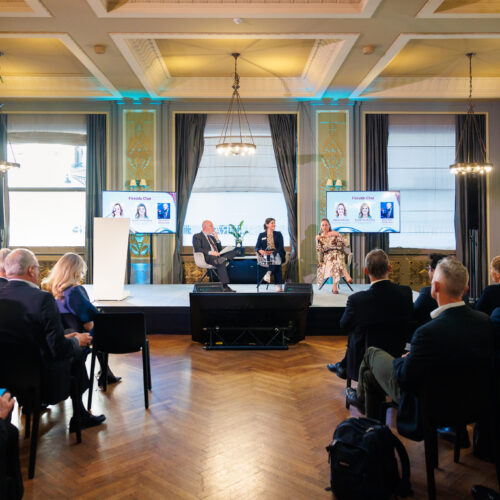
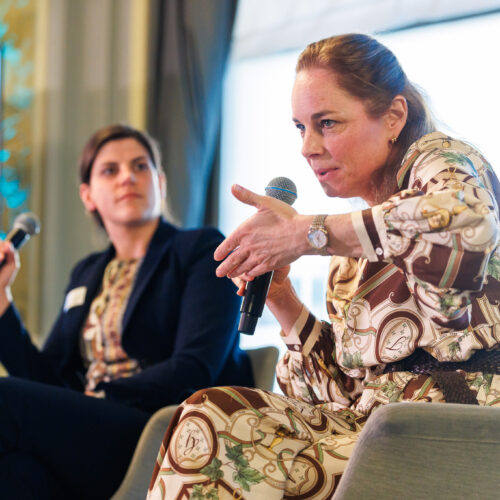
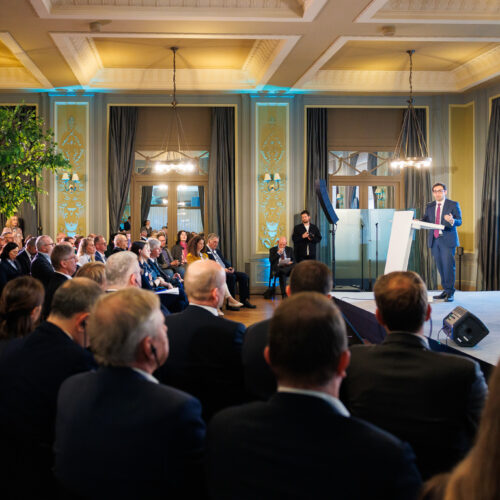
On 22 April 2026, Euromines hosted the high-level policy event “Securing Europe’s Industrial Resilience: Strategy for Next-Generation Mining” in Brussels, starting with remarks by Euromines President Jan Moström, followed by a keynote address from Executive Vice-President Stéphane Séjourné. A moderated fireside chat, featured MEP Hildegard Bentele (EPP, DE) and MEP Brigitte van den Berg (Renew, NL), reflecting cross-party perspectives on Europe’s industrial resilience and raw materials strategy.
Discussions focused on Europe’s ability to secure critical raw materials in an increasingly competitive and geopolitically volatile environment, with particular emphasis on the RESourceEU Action Plan and the need for coordinated action across financing, industrial policy, and supply chain governance.


EIT RawMaterials Summit
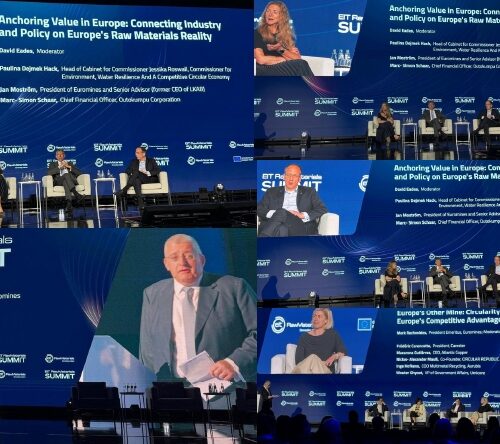
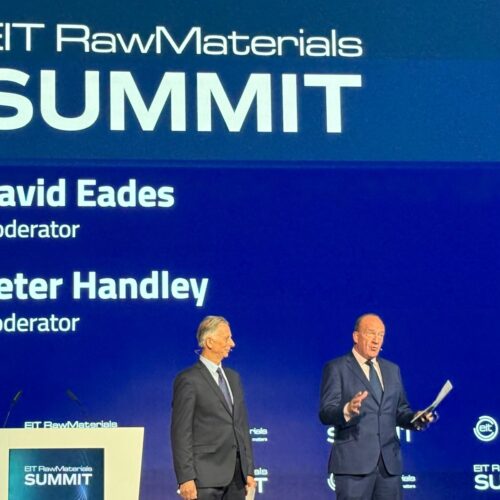
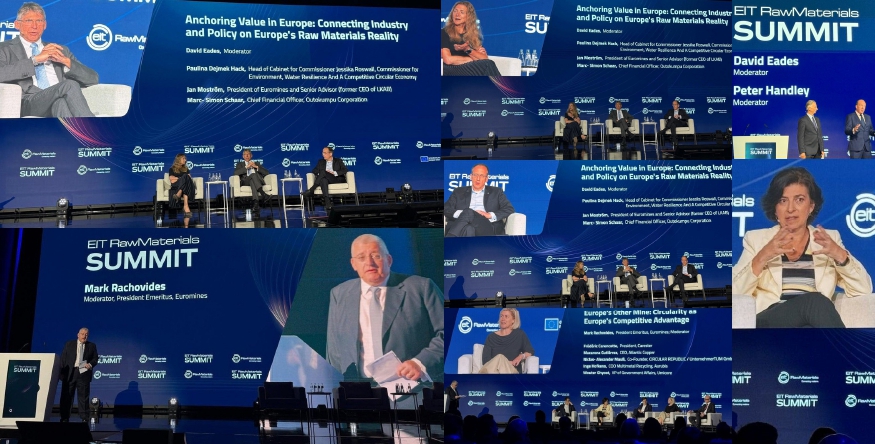
On 19-21 May, in Brussels, Euromines played an active role at the EIT RawMaterials Summit 2026, contributing to high-level discussions on Europe’s industrial competitiveness, strategic autonomy, and raw materials security. During the fireside chat “Anchoring Value in Europe: Connecting Industry and Policy on Europe’s Raw Materials Reality”, Euromines President Jan Moström emphasised that Europe’s ability to remain competitive will depend on creating stable and attractive investment conditions across the entire raw materials value chain. Moström stressed that achieving strategic autonomy requires not only ambitious legislation, but also faster project delivery, stronger industrial competitiveness, and effective implementation of key initiatives such as the Critical Raw Materials Act.
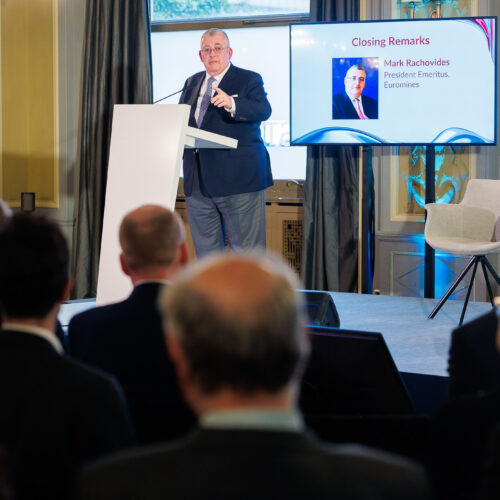
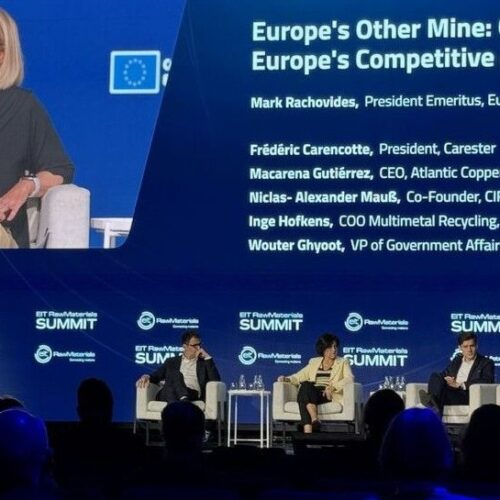
Euromines was also represented by President Emeritus Mark Rachovides, who moderated the high-level discussion “Europe’s Other Mine: Circularity as Europe’s Competitive Advantage.” The session explored the role of circularity in strengthening Europe’s resilience and securing access to critical raw materials. Participants underlined that, while Europe has significant potential in secondary raw materials, progress is hindered by regulatory fragmentation, investment challenges, and limited market integration.
Entrepreneurs Forum in Cyprus
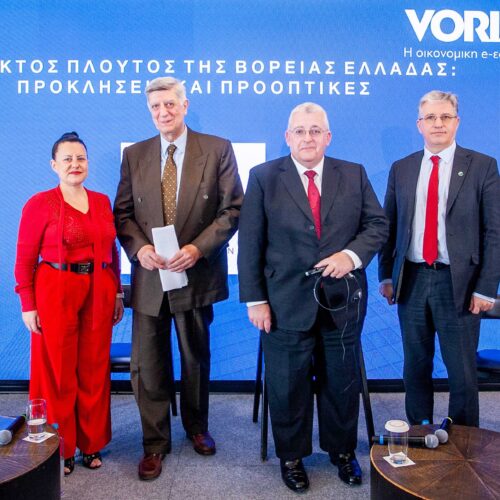
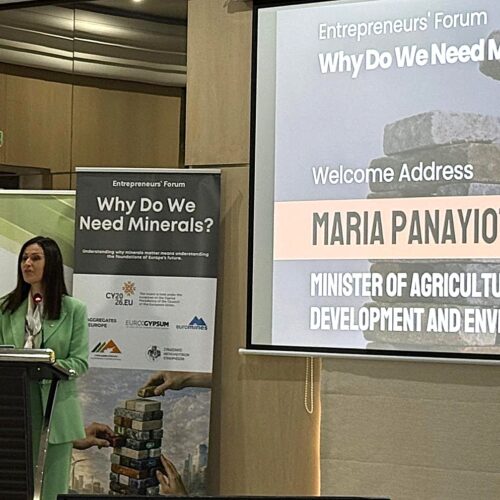
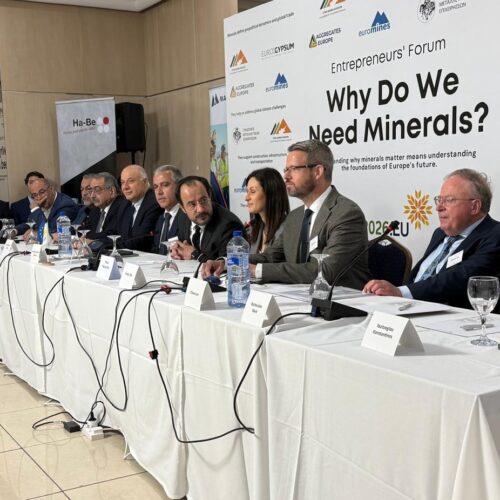
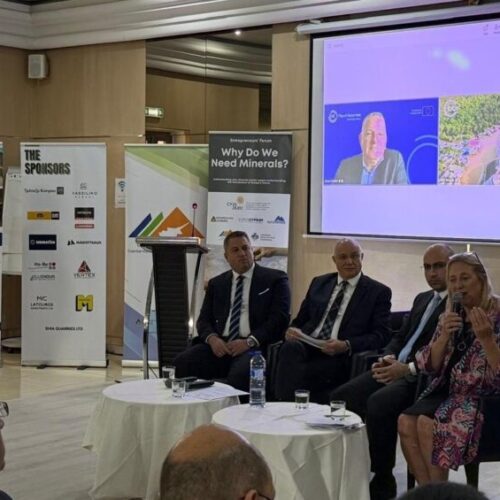
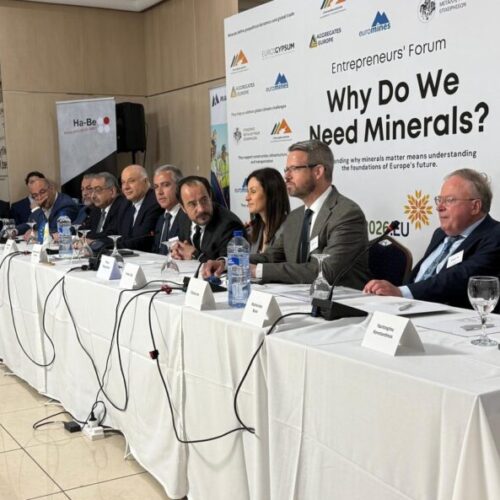
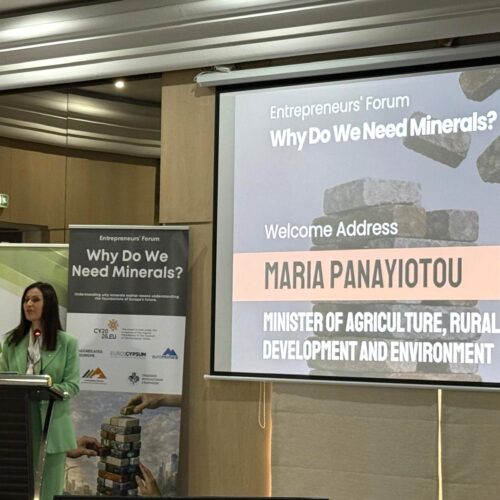
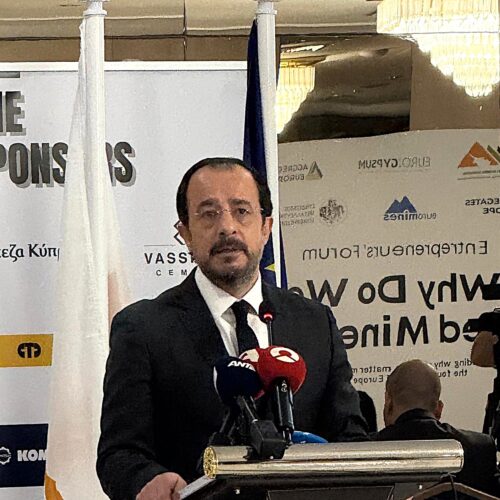
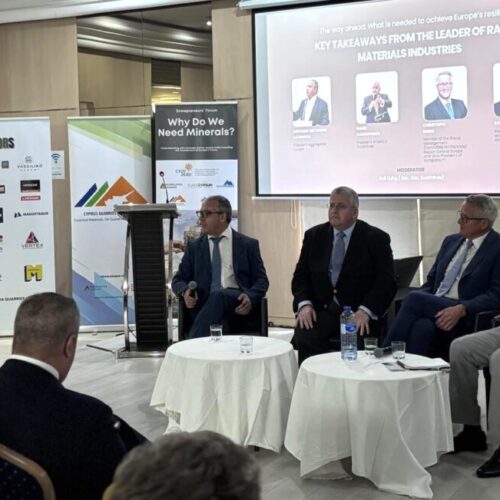
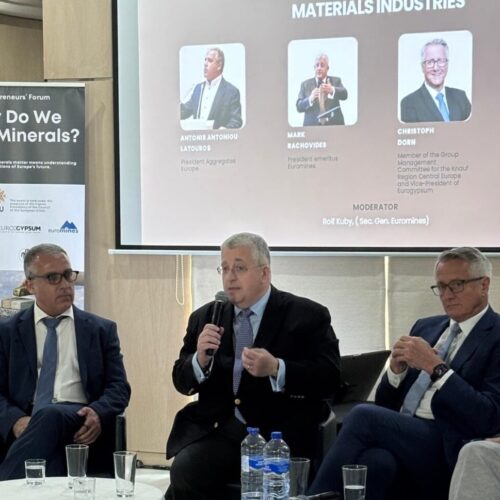
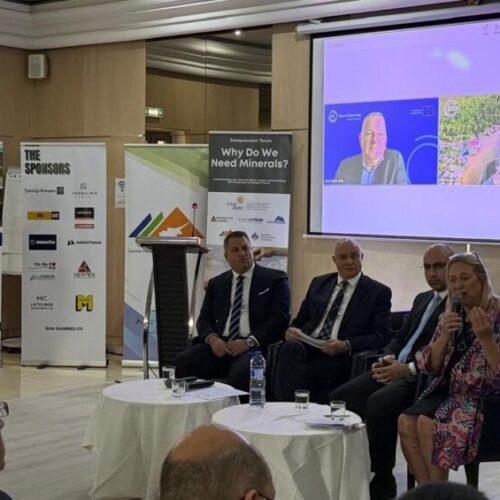
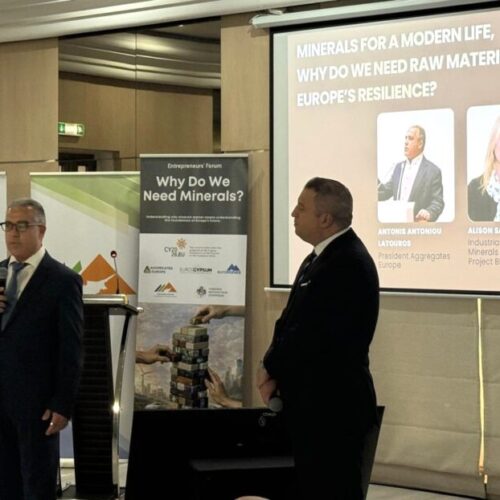
The European raw materials sector recently gathered in Larnaca, Cyprus, for the Entrepreneurs’ Forum “Why Do We Need Minerals?”, held under the auspices of the Cypriot Presidency of the Council of the European Union. The event brought together more than 150 participants from over 20 countries, including policymakers, industry representatives, and stakeholders from across the raw materials value chain. It was co-organised by Euromines, Aggregates Europe, and Eurogypsum, in cooperation with national partners from Cyprus and Greece. High-level contributions included an address by the President of the Republic of Cyprus, Nikos Christodoulides, and participation by Maria Panayiotou, Minister of Agriculture, Rural Development and Environment.
Discussions focused on the strategic importance of raw materials for Europe’s competitiveness, resilience, and green and digital transitions. Speakers highlighted the essential role of minerals across infrastructure, energy, mobility, housing, and defence, alongside the need to improve permitting efficiency, strengthen domestic supply, and balance environmental and industrial objectives. The event underlined the complementary role of primary production, recycling, and innovation, concluding that Europe’s long-term resilience depends on secure, sustainable access to raw materials and stronger
EU Green Week – Euromines partner event
On 12 June 2026, Euromines hosted the online webinar “From Land Use to Land Renewal: The Mining Sector’s Role in Nature Restoration,” showcasing how former mining sites across Europe can be transformed into safe, stable, and biodiverse landscapes. The event brought together policymakers, industry representatives, academics, and civil society to discuss practical approaches to nature restoration in the mining sector.
The programme featured keynote case studies from Atalaya Mining, Boliden, and Eldorado Gold – Hellas Gold, highlighting restoration projects in Spain, Sweden, and Greece, including geomorphic landscape redesign, river ecosystem reintegration, and large-scale tailings rehabilitation. A multi-stakeholder panel, including representatives from the European Commission (DG ENV), the European Parliament, academia, and Transport & Environment, examined lessons learned and future challenges, followed by an interactive Q&A session.
As we head into the summer period, we thank all our members and partners for their engagement and support throughout a dynamic first half of the year. We look forward to continuing our work together in the months ahead and wish you a relaxing and well-deserved summer break.