PRESS RELEASE: Euromines welcomes Mine Master and Zinnwald Lithium as its newest members

Brussels, 08 October 2025 – Euromines is pleased to announce the addition of Mine Master and Zinnwald Lithium as its newest company members, strengthening the association’s representation of Europe’s mining and minerals industry.

Their entry follows Euromines’ admission process, which ensures that new members demonstrate a strong commitment to responsible mining practices and to advancing the European raw materials sector in line with sustainability, innovation, and competitiveness. Both companies were formally endorsed by Euromines’ Board. 

  • Mine Master, based in Poland, is a leading designer and manufacturer of underground mining equipment, with over 50 years of expertise supporting safe and efficient mineral production across Europe and globally. The company combines engineering excellence with a focus on safety, reliability, and sustainable development in mining operations. 
  • Zinnwald Lithium, headquartered in the United Kingdom, is developing one of Europe’s most advanced lithium projects on the German Czech border. As Europe works to secure strategic raw materials for the green transition, Zinnwald Lithium’s project will play an essential role in strengthening the European battery value chain and supporting climate-neutral technologies. 

With the addition of Mine Master and Zinnwald Lithium, Euromines reinforces its role as the voice of a diverse and innovative European mining industry. Their inclusion underscores the growing recognition of mining’s central role in delivering the raw materials needed for Europe’s strategic autonomy, energy transition, and sustainable future. 

“We are delighted to welcome Mine Master and Zinnwald Lithium into the Euromines family. Their expertise and forward-looking strategies will be invaluable as we continue to promote responsible mining in Europe, enhance competitiveness, and secure the raw materials critical to Europe’s economy and the Green Deal. We look forward to their active engagement in our work and collective efforts to advance Europe’s sustainable raw materials sector.” — Rolf Kuby, Director-General, Euromines 

“I am excited for us to join forces with Euromines and contribute our more than 50 years of expertise to shaping the future of Europe’s mining sector. Mining is not only about resources — it is about innovation, sustainability, and Europe’s ability to lead in the global transition. By working together, we can ensure the sector plays its vital role in building a stronger and more sustainable future for all.” — Jerzy Nadolny, CEO, Mine Master

“Joining Euromines reflects our commitment to building a responsible and sustainable lithium project at the heart of Europe. As the demand for critical minerals grows, collaboration between industry and policymakers is essential to ensure secure and ethical supply chains. We are proud to add our voice to this dialogue and to contribute to Europe’s clean energy future.” — Cherif Rifaat, Chief Financial Officer, Zinnwald Lithium 

Media contact: Anna Zanetti (zanetti@euromines.be)

Download the press release below.

Euromines Safety Awards 2025: Celebrating Excellence in Mining Safety

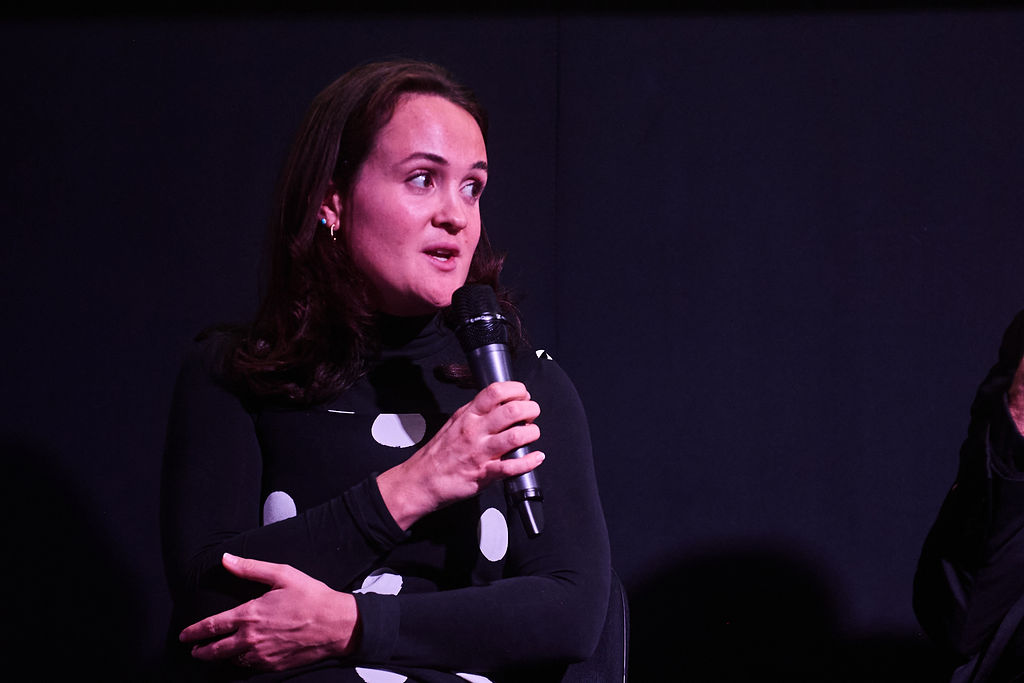
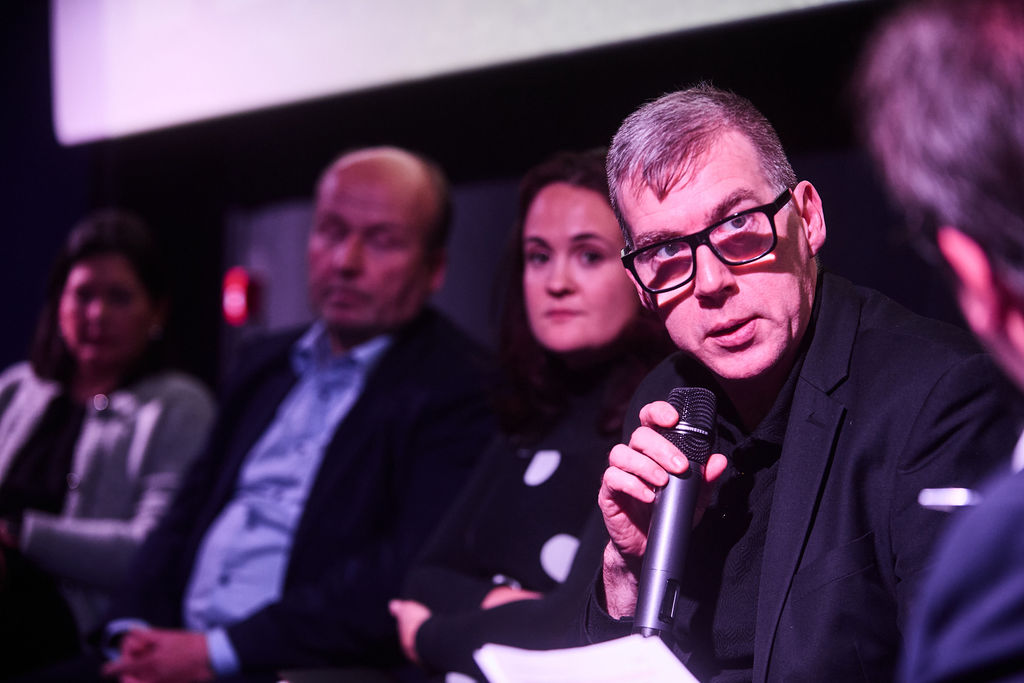
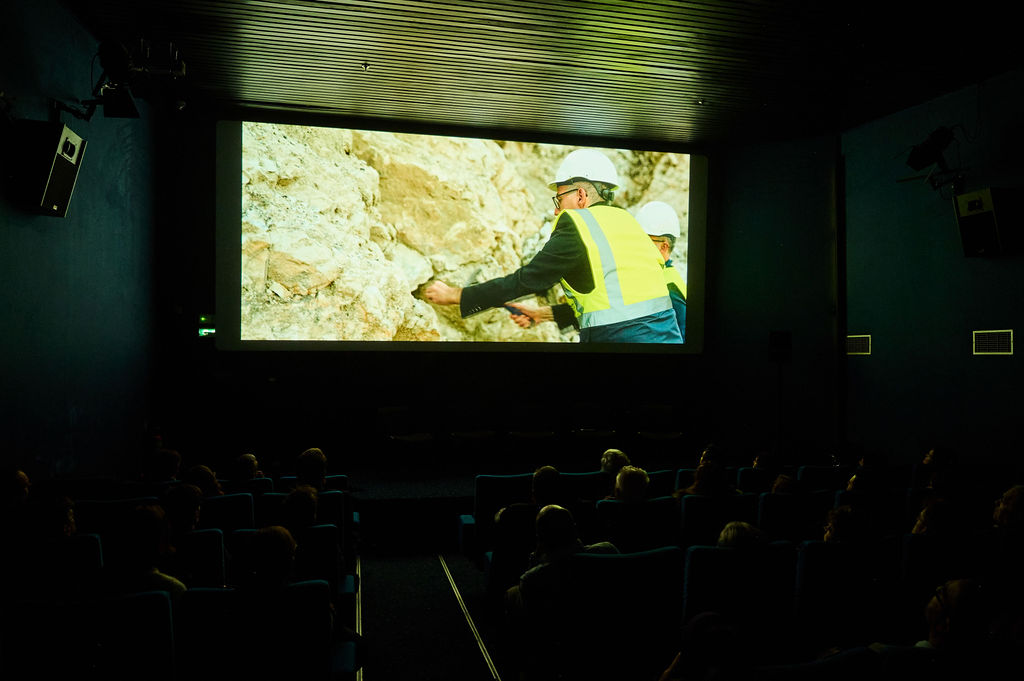
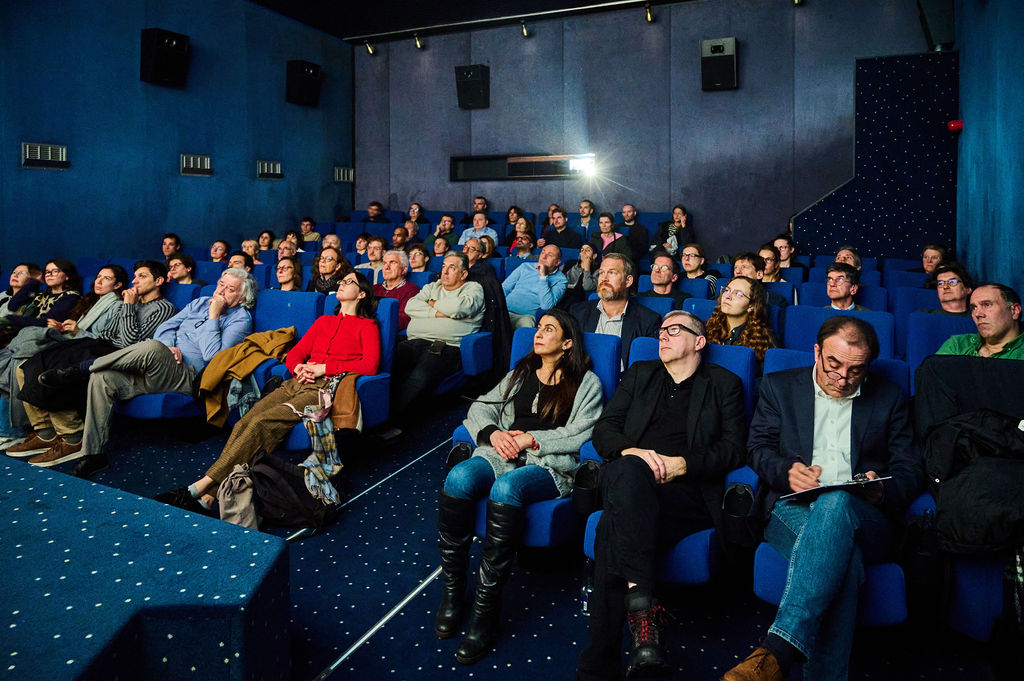
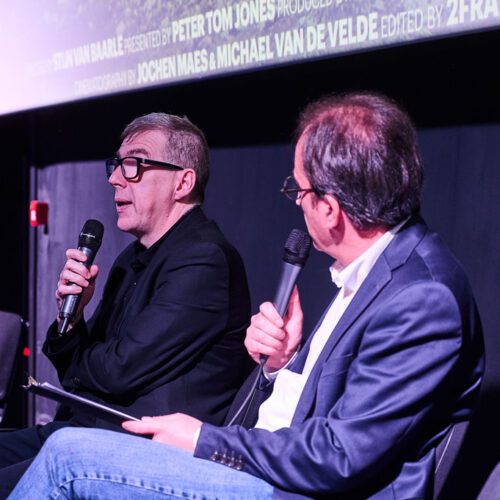
The Euromines Safety Awards 2025, held on 8 October in Brussels, brought together members and stakeholders from across the mining industry to celebrate excellence in safety. Among the distinguished guests was keynote speaker and jury member Charlotte Grevfors Ernoult, Head of Unit at the European Agency for Safety and Health at Work (EU-OSHA), Directorate-General for Employment, Social Affairs and Inclusion at the European Commission. In an industry where safety is paramount, this year’s winners were recognised for their outstanding commitment to advancing protection and prevention. The event highlighted not only best practices but also the innovation shaping the future of safe and responsible mining in Europe.

Atalaya Riotinto’s “Field Leadership Activities” project promotes a proactive safety culture by placing workers at the heart of prevention efforts. Through multidisciplinary teams, the initiative conducts audits, safety observations, “Stop and Talk” sessions, and inspections, fostering cross-departmental learning and direct management engagement. Tracked via a digital platform, the project has led to fewer accidents, stronger risk awareness, and lasting cultural change, all with minimal investment and maximum impact.

Boliden Mineral AB’s “Blast Safe” project is a cutting-edge system that ensures all personnel are safely evacuated before blasting. By integrating real-time access control with location verification via access cards or smartphones, the system confirms that everyone is either outside the blast zone or in a certified shelter before authorizing detonation. Supported by routine checks and performance reviews, Blast Safe significantly improves safety, accountability, and confidence in one of mining’s highest-risk operations.

LKAB Mekaniska AB’s “Safety Lock for Silo Renovation” project eliminates the need for workers to enter hazardous silos during maintenance. Using drones, VR simulations, and a remotely installed safety lock system, the solution achieved zero man-hours inside the silo, drastically reducing risk while maintaining operations. The project showcases how digital tools and cross-functional innovation can significantly enhance safety and efficiency in industrial maintenance.

Looking to the Future of Mining Safety

The Euromines Safety Awards 2025 celebrates groundbreaking innovations that raise the bar for safety in the mining industry. Each winning project demonstrates that, even in a industry with high safety standards, there is always potential to go further. These forward-thinking initiatives not only enhance day-to-day operations but also set a strong foundation for a safer, more efficient future in mining.

Joint call for a rapid adoption of the postponement of phase-in disclosure requirements for first wave CSRD undertakings

We, the undersigned associations, express our collective support for the European Commission’s delegated act, adopted on 11 July, on the European Sustainability Reporting Standards (ESRS) to pause additional phase-in data points for certain CSRD wave-1 undertakings by two years.

We urge the European Parliament and Council to promptly confirm their intention not to object to this delegated act. A timely confirmation will allow a swift entry into force, thereby providing the necessary legal certainty for affected companies.

The 26 February omnibus proposal included a separate legislative proposal to postpone by two years the entry into application of the CSRD reporting requirements for undertakings in the second wave and third wave (so-called “stop-the-clock” proposal). However, the stop-the-clock Directive does not postpone the reporting requirements for companies in wave one, which are required to report in 2025 information on the financial year 2024, and will have to meet additional reporting requirements for the financial years 2025 and 2026, even though the revised and simplified ESRS might subsequently modify those same requirements.

The proposed delegated act addresses this issue by freezing the ESRS reporting requirements for wave one undertakings as they are for the first year of application of the standards.

This is crucial for the following reasons:

  • Maintaining EU leadership and competitiveness: This delegated act is instrumental in maintaining the EU’s leadership in transitioning to a sustainable economy. It prevents competitive disadvantages for EU industries, which is particularly crucial given the current geopolitical context. The new requirements would include commercially sensitive information and imply considerable additional resource investment, which could potentially be futile given the ongoing efforts to simplify the reporting standards. Ensuring a level playing field is essential for the continued growth and sustainability of our industries.
  • Refining new reporting practices: The delegated act ensures that wave-1 companies can continue reporting as per their current scope, thereby allowing wave-1 companies to focus their efforts on improving their existing reports.

Read the joint statement below.

JOIN EUROMINES TEAM: we are looking for an Environment, Health & Safety Officer

New position: “Environment, Health & Safety Officer” at Euromines Brussels, Belgium

About the Association

Euromines, the recognised representative of the European metals and minerals mining industry, is looking for an Environment, Health & Safety (EHS) Officer to join its Brussels office.

The association’s main objective is to promote the industry and to maintain its relations with European institutions at all levels. Euromines provides an exchange of information throughout the sector within Europe. The Association represents large and small companies and subsidiaries in Europe and in other parts of the world, which provide jobs to more than 350,000 people. Through the activities and operations of these members, 54 different metals and minerals are produced.

About the position

The EHS Officer will be responsible for supporting the functioning of the Environment, Health and Safety Committees and their taskforces, and interaction with external stakeholder groups. S/He will be working with the team on a variety of dossiers related to the European Green Deal, Health & Safety, and Chemical ambitions, their regulatory developments, and their implementation within the sector.

She/he will provide specific support to:

  • Supporting Euromines Members.
  • Interacting with different external stakeholders (European Institutions such as the Commission, Parliament, and Council, Industry associations, NGOs, Trade Unions, etc.).
  • Reporting to the Euromines Environmental, Health, and Safety Manager, but also being in active liaison with the other Euromines departments on Energy and Climate, Sustainability, and Communication.
  • Representing the European mineral raw materials industry towards the EU Institutions and international or intergovernmental bodies by establishing a constructive dialogue and by ensuring early consultation in all areas of EU Environmental, Chemical, Social Dialogue, and Health & Safety policy affecting the industry.
  • Promoting the benefits and value of both the raw materials and the mining industry to society and asserting the industry’s views and positions.
  • Supporting the work of the vast environmental dossiers and their respective Task Forces (TFs), particularly the new metals mining BREF-making process in Seville.
  • Organizing, supporting and running the Committees on Environment and Health & Safety and their specific TFs.
  • Monitoring the relevant regulatory activities and informing the members of these regulatory activities and/or any (planned) legislative developments.
  • Working proactively in bringing new issues to the attention of the Euromines members, and not just reacting to them.

Requirements for the position

  • MSc in chemistry, biology, environmental sciences, environmental and/or chemical law, industrial/mining engineering, or other relevant technical fields.
  • 2 years of previous work experience in a similar role in an industry/or association, or policy environment.
  • Experience in environmental, H&S topics, and the EU regulatory arena.
  • Experience in technical project management or experience in projects aimed at addressing chemicals management issues related to the regulatory challenges affecting the mining sector is a strong asset.
  • Excellent writing, editing, and oral communication skills in English.
  • Interest in establishing and developing networks with industry professionals and with authorities, and academics.

Key Skills

  • Strong interest in learning about technical and regulatory aspects of relevance to the sector and on chemicals management-related topics.
  • Problem-solving and good analytical skills.
  • Ability to work in a diverse, fast-paced, fluid, and collaborative environment.
  • Excellent attention to detail and ability to function effectively under pressure.
  • Solution-focused, with some decision-making abilities.
  • Sense of professionalism with excellent English written and verbal communication skills; fluency in another or more EU languages is a desirable asset.
  • IT proficient, using Microsoft Office Suite, and project management software.
  • A ‘can-do’ attitude by being task-orientated and outcomes driven.
  • Team player.

What Euromines offers

  • An international working environment with a leading European trade association.
  • Opportunities to grow, take initiative and work with an ambitious team.
  • An attractive remuneration package (incl. fringe benefits) commensurate with qualifications and experience.
  • Full-time, permanent contract.

How to apply

You can apply by sending your CV and a cover letter including 2 professional references to Cynthia Mestanza at mestanza@euromines.be indicating ‘EHS Officer – Euromines’ in the subject line.

The position is open until filled. While there is no deadline to apply, interested candidates are encouraged to apply as early as possible due to assessment on a rolling basis.

Starting Date: as soon as possible

PRESS RELEASE: Europe expands critical raw materials strategy with global strategic projects

Brussels, 4 June 2025 – The European Union has today taken a further step toward securing its industrial resilience by announcing the list of 13 non-EU strategic projects under the Critical Raw Materials Act. This complements the recent designation of 47 EU-based projects and underscores the need for a globally coordinated response to raw materials supply risks. 

These non-EU projects will be key to strengthening Europe’s access to responsibly sourced raw materials critical for the green transition, digital technologies, and defence readiness. By building resilient and diversified value chains through trusted international partnerships, the EU is reaffirming its commitment to reducing dependencies and strengthening strategic autonomy.

“This global approach reflects the reality of modern industry,” said Rolf Kuby, Director General of Euromines. “Europe cannot build its clean energy and tech ambitions on fragile foundations. We must match our environmental and social standards abroad with real investments, coordinated industrial policy, and long-term diplomatic engagement.”

Euromines notes the expansion of the Strategic Projects framework beyond EU borders and calls on policymakers to follow through with targeted instruments capable of turning ambition into tangible results. These include streamlined permitting procedures, investment guarantees, and infrastructure support—both within the EU and in partner countries. A unified and proactive approach is essential for the EU to establish secure, responsible, and future-proof raw material supply chains that underpin its industrial strategy.

Media contact: Anna Zanetti (zanetti@euromines.be)

Download the press release below.

Tobias Andres (VKS): Europe’s raw materials security starts with mining

In the January 2025 edition of Potash & Rock Salt by VKS, Tobias Andres, Executive Committee (EXCOM) member of Euromines and Managing Director of  the Brussels office of our member VKS (German Association of the Potash and Salt Industry), delivers a clear message: securing Europe’s raw materials supply requires a resilient and coordinated value chain that starts with mining.

Andres reflects on the evolving policy landscape, noting the transition from the European Green Deal to the recently unveiled Clean Industrial Deal which is an initiative designed to revitalise industrial competitiveness while maintaining momentum on decarbonisation. While these frameworks set a strategic course for Europe’s climate and economic ambitions, Andres cautions that the increasingly complex regulatory environment may hinder key sectors, particularly potash and salt, which are indispensable to food security, healthcare, and industrial production.

He emphasises that domestic extraction of primary raw materials must remain a cornerstone of Europe’s sustainability strategy and should not be overshadowed by the political focus on recycling and circularity.

A central concern highlighted is the omission of potash and salt from the EU’s Critical Raw Materials Act. Despite their vital roles in essential sectors, these resources have yet to receive the strategic recognition afforded to other materials which is an oversight that risks placing European producers at a disadvantage compared to global competitors operating under more permissive regulatory regimes.

To address these challenges, Andres calls on EU institutions and Member States to prioritise the reduction of bureaucratic barriers, accelerate permitting processes, and actively foster investment in sustainable mining operations. He further underscores the need for a strong partnership between public authorities and private industry to reinforce Europe’s industrial value chain from resource extraction to advanced manufacturing.

Download the article (in German) below.

An English translation is also available, but as it was translated by a third party, please refer to the original article for full accuracy.

Key insights from Euromines event – Geopolitics at play: The war below for Europe’s defence

On 9 April 2025, in Brussels, Euromines hosted its high-level event, Geopolitics at play: The war below for Europe’s defense. The event brought together key policymakers and industry experts to address Europe’s most pressing challenges in securing its defense and industrial future. Against the backdrop of rising geopolitical tensions and fragile supply chains, the discussions focused on critical issues such as defense strategy, raw material dependencies, and energy security.

Six key takeaways:

  1. Securing Critical Raw Materials for Defense
    The EU’s reliance on imports for vital raw materials such as rare earth elements, lithium, and titanium poses a significant challenge to Europe’s defense capabilities. Efforts like the Critical Raw Materials Act aim to secure these resources within the EU to ensure strategic autonomy.
  2. Europe’s Defense Strategy: Readiness 2030
    The EU is focused on addressing defense capability gaps with plans like “Readiness 2030” and “Rearm Europe”, which include supporting Ukraine and ensuring a sustainable supply of essential materials for defense technologies
  3. Strategic Stockpiling and Policy Gaps
    The importance of strategic stockpiles for raw materials, especially in times of crisis, was highlighted. However, funding and policy frameworks need to be clarified to manage these stockpiles effectively.
  4. Energy Security and Geopolitical Risks
    Europe faces growing energy security risks, especially with Russia’s role in the ongoing crisis. The EU needs to diversify its energy and raw material supply chains and strengthen international partnerships to reduce dependencies on China and other global players.
  5. The need for International Partnerships
    Collaborative agreements with countries like South Africa and initiatives such as the Mineral Security Partnership were seen as essential for enhancing Europe’s supply chain resilience and attracting private investment.
  6. Transatlantic Cooperation for Security
    The strength of the transatlantic bond between Europe and North America is crucial to confronting global security challenges. A unified approach will be vital for strengthening defense capabilities and ensuring long-term prosperity.

NEEIP – Joint Position Paper on the Water Framework Directive

The European Non-Energy Extractive Industry Panel (NEEIP) has published a joint position paper focusing on the revision of the EU Water Framework Directive (WFD) and its implications for the competitiveness of the European non-energy extractive sector.

Key Highlights:

  • The document presents the concerns of leading industry associations, including Euromines, Aggregates Europe-UEPG, Cerame-Unie, European Carbon and Graphite Association (ECGA), The European Cement Association (CEMBUREAU), European & International Federation of Natural Stone Industries (EUROROC), European Expanded Clay Association (EXCA), Industrial Minerals Europe (IMA-Europe), Association des Producteurs Européens de Potasse (APEP).
  • The paper advocates for adjustments to the WFD to ensure that water management practices do not hinder essential industrial activities, such as those vital to the extraction of natural resources in Europe.
  • Specific recommendations are made for modifying articles related to the extension of deadlines for achieving good water status, adjusting “non-deterioration” clauses, and expanding exemptions for essential industrial activities.
  • The paper also emphasises the need for transparency, legal certainty, and stakeholder involvement in the prioritization of hazardous substances in EU waters.

Key Proposals include:

  1. A realistic extension of the deadline for achieving good water status.
  2. Amendments to the “no further deterioration” requirement, which is currently difficult to meet under existing strict interpretations.
  3. Support for maintaining the current legislative process under Article 16 regarding strategies against water pollution, ensuring a more transparent and inclusive review process.
  4. Stronger safeguards for industrial projects, ensuring the future sustainability of European extractive industries while maintaining high environmental standards.

This joint position paper represents a united stance from across the non-energy extractive industry, calling for a balanced approach that supports both environmental protection and industrial competitiveness in Europe.

To access the full paper and review the detailed position of the European non-energy extractive industry, please refer to the document below.

PRESS RELEASE: EU’s Strategic Projects List under the Critical Raw Materials Act: A major step towards raw materials resilience

Brussels, 25 March 2025 – With 47 Strategic Projects selected, this milestone marks a significant step toward fostering a more resilient and secure supply of the critical raw materials essential for Europe’s green and digital transitions, as well as the aerospace and defence sectors.

The selected strategic projects listed link, aim to contribute to the stability and security of Europe’s industrial supply chains while fostering responsible mining, processing, and recycling. This aligns with the broader objective of reducing strategic dependencies and enhancing economic resilience of the European bloc.

“Raw materials are essential to Europe’s industrial strength, enabling modern technologies, clean energy solutions, and both economic and defence resilience. To make these strategic projects a success, we must deliver efficient permitting, investment incentives, and innovation-driven solutions. Europe must be honest about its raw materials needs and its own contribution to sustain strategic value chains.” – Rolf Kuby, Euromines Director General.

As the official list of strategic projects is published today, Euromines will continue to advocate for policies that support investment in domestic raw material production, innovation in extraction and processing technologies, and the highest environmental and social standards in the industry. Euromines calls on Member States and related national authorities to speed up permitting procedures. Only with the strong commitment of all involved actors including civil society this list of strategic represent success.

  1. A realistic extension of the deadline for achieving good water status.
  2. Amendments to the “no further deterioration” requirement, which is currently difficult to meet under existing strict interpretations.
  3. Support for maintaining the current legislative process under Article 16 regarding strategies against water pollution, ensuring a more transparent and inclusive review process.
  4. Stronger safeguards for industrial projects, ensuring the future sustainability of European extractive industries while maintaining high environmental standards.

Media contact: Anna Zanetti (zanetti@euromines.be)

Download the press release below.

Euromines releases study on the strategic importance of Magnesia in Europe

Euromines has released a study on the strategic role of magnesite and magnesia in Europe’s industrial future. These essential yet often overlooked raw materials are critical to European industry and key to securing the EU’s strategic autonomy.

Why Are Magnesite and Magnesia Essential?

Magnesite and magnesia (derived from magnesite and magnesium chloride) are indispensable to key industries and crucial for the EU’s push toward strategic autonomy. These materials are fundamental to processing and recycling over 50% of Europe’s strategic raw materials and more than 30% of its critical raw materials.

Magnesite and magnesia support over 100 applications across diverse sectors, including:

  • Agriculture
  • Metallurgy
  • Steel production
  • Battery manufacturing
  • Heating elements
  • Transformers
  • CO2 absorption and catalysts

Their unparalleled versatility makes them vital to Europe’s economic resilience and industrial sustainability

Magnesite’s Key Role in Defence and Aerospace

European magnesite possesses unique properties that make it indispensable for green steel production. In fact, 75% of global steel production relies on European magnesite to enable Electric Arc Furnace (EAF) technology, a crucial method for producing sustainable steel. Moreover, magnesite is the only viable source for producing magnesium—a critical material for aerospace and defence—while emitting significantly less CO2 than alternative sources worldwide.

Rising Demand, Declining Supply: A Growing Risk

Despite increasing demand across industries, Europe’s magnesite and magnesia production is in decline. With rising import dependence and concentrated supply chains, the EU faces heightened geopolitical and market vulnerabilities. A University of Leoben study underscores this urgency, revealing that 50% of strategic raw materials rely on magnesia for their production.

The Urgent Need for Strategic Recognition

Without magnesite mining, there is no magnesia production. Without magnesia, Europe’s industrial ecosystem faces disruption. To secure its future, the EU must recognise magnesite and magnesia as strategic and critical raw materials. Prioritising these essential resources will safeguard Europe’s industrial resilience, sustainability, and autonomy.

Read the study below.